Judge to issue written ruling on Point Ruston’s motion to substitute counsel after receiver abandoned appeal
March 04, 2026 | Other Court, Judicial , Washington
This article was created by AI summarizing key points discussed. AI makes mistakes, so for full details and context, please refer to the video of the full meeting. Please report any errors so we can fix them. Report an error »
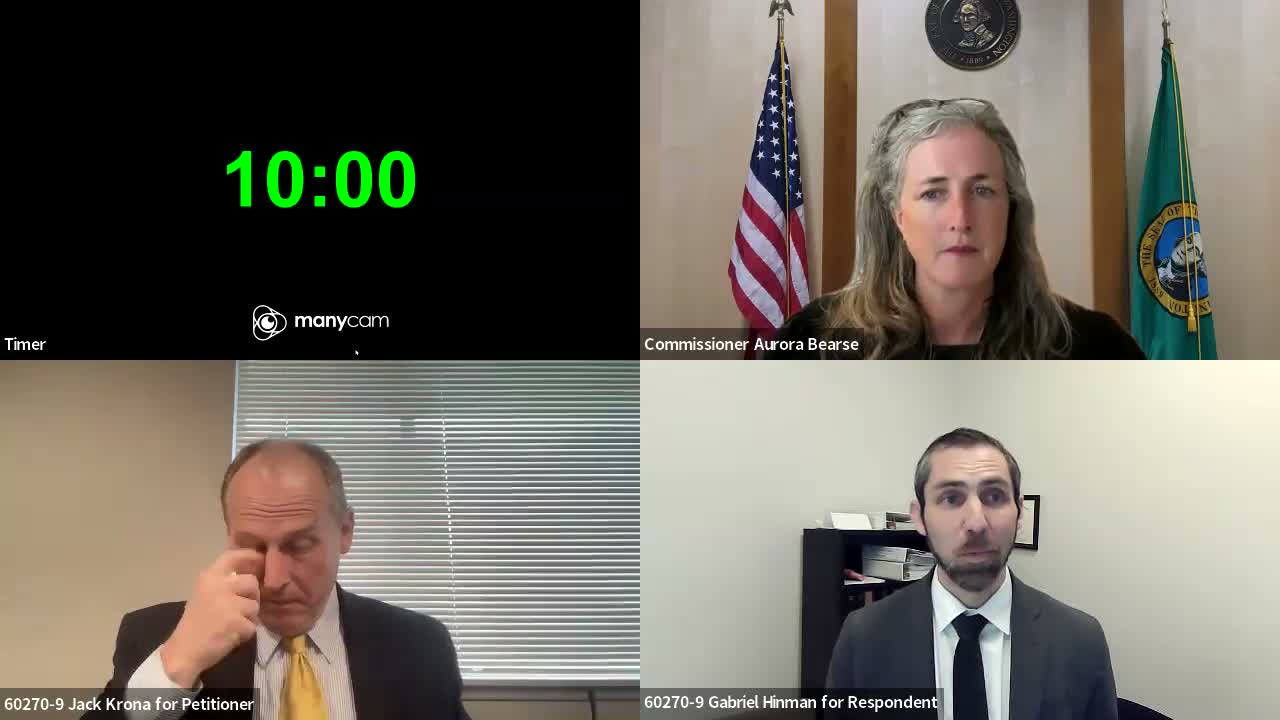
A judge heard oral argument on March 4, 2026, over a motion by Point Ruston LLC to substitute counsel in an appeal that a court-appointed receiver had moved to abandon.
Jack Crona, attorney for the moving party, told the court he had authority from Point Ruston’s managers to represent the company and that the superior court’s appointment order and RCW 7.60.150 allow a successor receiver to abandon estate property, including appellate rights. "The abandonment of the appellate rights are approved," Crona said, arguing the receiver joined the substitution and AURC lacks standing to object.
Gabriel Hinman, counsel for respondent AURC 3 LLC, urged the court to deny substitution. He said the federal bankruptcy authorities cited by the moving party address affirmative claims for relief and are not fully analogous here because "an appeal seeking to reduce a debt is not equivalent to property that can be abandoned," and any benefit from a successful appeal would flow to the receiver and its creditors. Hinman added that the receivership court — which granted the abandonment order on Oct. 16, 2025 — is the proper forum to interpret the effects of that order.
The judge pressed both sides on the practical consequences. She asked whether the abandonment means the receiver has agreed to pay the judgment and how Point Ruston, separate from the receivership, could qualify as an aggrieved party if the debt remains in receivership. Hinman responded that the judgment remains a live claim in the receivership and that the receiver decided, in the receivership process, not to pursue the appeal in order to maximize creditor recovery. Crona countered that if the appeal succeeds, AURC’s $66,000,000 judgment would disappear and Point Ruston could recover assets for equity owners, including a possible attorney-fee award.
The judge took the motion under advisement and said she will issue a written ruling. She also announced she will continue all briefing deadlines in this appellate matter until the court issues that decision.
The hearing covered legal questions about the nature of appellate rights in receivership, whether abandonment by a receiver returns those rights to the debtor or requires further receivership-court action, and whether substitution of counsel here is procedurally appropriate or prematurely asks this court to resolve receivership-specific consequences. The court did not rule at the hearing.
Jack Crona, attorney for the moving party, told the court he had authority from Point Ruston’s managers to represent the company and that the superior court’s appointment order and RCW 7.60.150 allow a successor receiver to abandon estate property, including appellate rights. "The abandonment of the appellate rights are approved," Crona said, arguing the receiver joined the substitution and AURC lacks standing to object.
Gabriel Hinman, counsel for respondent AURC 3 LLC, urged the court to deny substitution. He said the federal bankruptcy authorities cited by the moving party address affirmative claims for relief and are not fully analogous here because "an appeal seeking to reduce a debt is not equivalent to property that can be abandoned," and any benefit from a successful appeal would flow to the receiver and its creditors. Hinman added that the receivership court — which granted the abandonment order on Oct. 16, 2025 — is the proper forum to interpret the effects of that order.
The judge pressed both sides on the practical consequences. She asked whether the abandonment means the receiver has agreed to pay the judgment and how Point Ruston, separate from the receivership, could qualify as an aggrieved party if the debt remains in receivership. Hinman responded that the judgment remains a live claim in the receivership and that the receiver decided, in the receivership process, not to pursue the appeal in order to maximize creditor recovery. Crona countered that if the appeal succeeds, AURC’s $66,000,000 judgment would disappear and Point Ruston could recover assets for equity owners, including a possible attorney-fee award.
The judge took the motion under advisement and said she will issue a written ruling. She also announced she will continue all briefing deadlines in this appellate matter until the court issues that decision.
The hearing covered legal questions about the nature of appellate rights in receivership, whether abandonment by a receiver returns those rights to the debtor or requires further receivership-court action, and whether substitution of counsel here is procedurally appropriate or prematurely asks this court to resolve receivership-specific consequences. The court did not rule at the hearing.
Don't Miss a Word: See the Full Meeting!
Go beyond summaries. Unlock every video, transcript, and key insight with a Founder Membership.
✓
Get instant access to full meeting videos
✓
Search and clip any phrase from complete transcripts
✓
Receive AI-powered summaries & custom alerts
✓
Enjoy lifetime, unrestricted access to government data
30-day money-back guarantee
