House backs measure to let agencies create opt‑in Medicaid provider quality program
March 05, 2026 | 2026 Utah Legislature, Utah Legislature, Utah Legislative Branch, Utah
This article was created by AI summarizing key points discussed. AI makes mistakes, so for full details and context, please refer to the video of the full meeting. Please report any errors so we can fix them. Report an error »
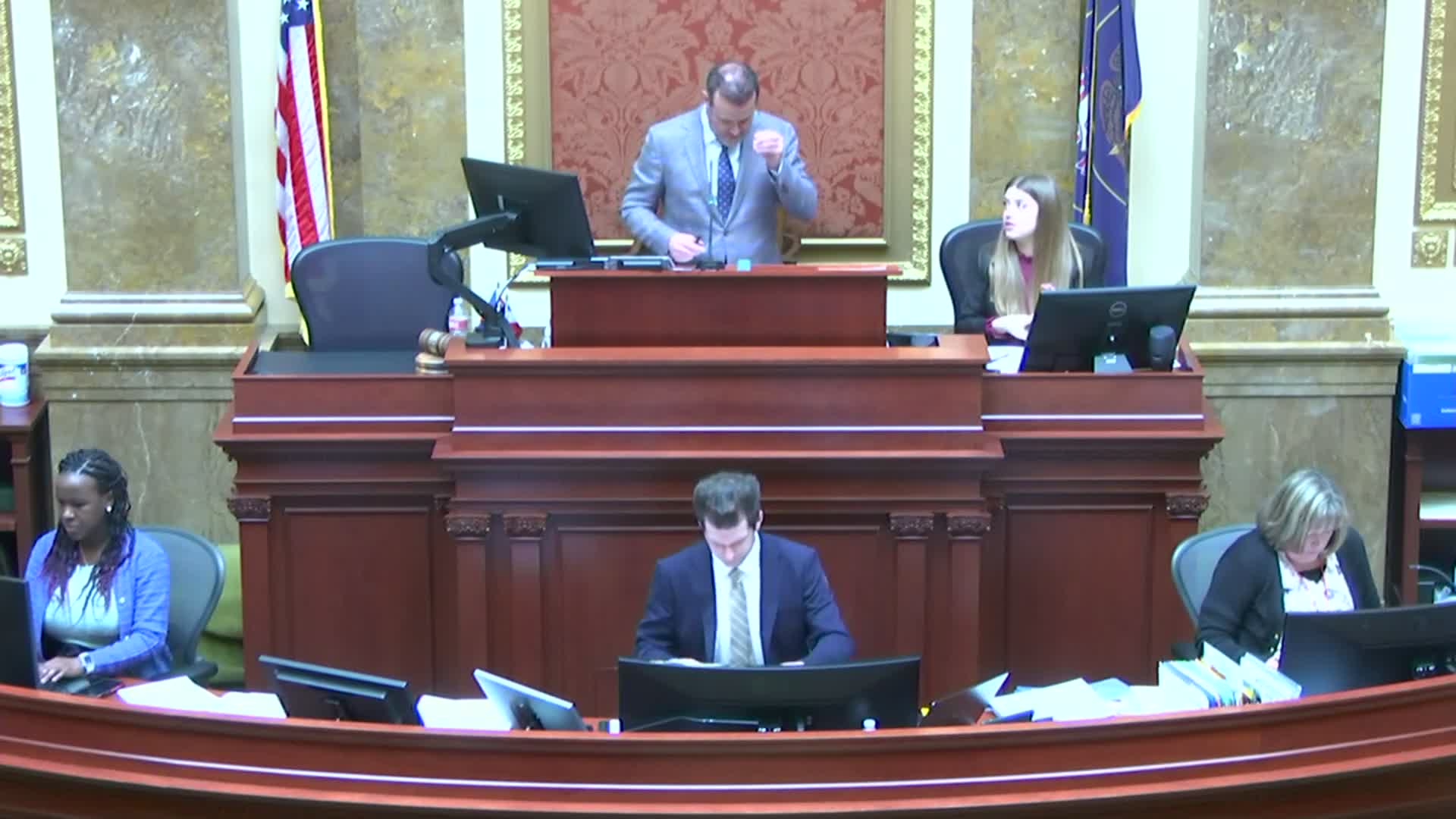
Representative Elison presented Senate Bill 288 as a response to long‑running provider compensation issues, saying some Medicaid‑funded positions have not had rate increases for six years and an opt‑in quality program could help direct funds to providers who meet performance metrics.
Floor amendments added review of department rules by the Rules Review and Oversight Committee and required reporting to the Social Services Interim Committee on how funds were used, aimed at ensuring appropriations reach providers. Representative Grisius described his amendment as a way to confirm funds flow to providers rather than administrative overhead. Supporters from social services committees and several members urged passage to address provider inflation and staffing shortages.
The bill and its amendment passed on final passage with a wide margin and will be transmitted to the Senate for enrollment. Sponsors noted the program is opt‑in and is intended to prioritize funding to providers serving vulnerable populations, including DSPD recipients, foster care providers and nursing homes in rural Utah.
Next steps: Department rulemaking and the specified oversight reviews and reports are expected to follow if the measure becomes law.
Floor amendments added review of department rules by the Rules Review and Oversight Committee and required reporting to the Social Services Interim Committee on how funds were used, aimed at ensuring appropriations reach providers. Representative Grisius described his amendment as a way to confirm funds flow to providers rather than administrative overhead. Supporters from social services committees and several members urged passage to address provider inflation and staffing shortages.
The bill and its amendment passed on final passage with a wide margin and will be transmitted to the Senate for enrollment. Sponsors noted the program is opt‑in and is intended to prioritize funding to providers serving vulnerable populations, including DSPD recipients, foster care providers and nursing homes in rural Utah.
Next steps: Department rulemaking and the specified oversight reviews and reports are expected to follow if the measure becomes law.
View the Full Meeting & All Its Details
This article offers just a summary. Unlock complete video, transcripts, and insights as a Founder Member.
✓
Watch full, unedited meeting videos
✓
Search every word spoken in unlimited transcripts
✓
AI summaries & real-time alerts (all government levels)
✓
Permanent access to expanding government content
30-day money-back guarantee
