Lawmaker alleges illegal warrants and tribal detentions; instructor says training allows race as a factor
March 05, 2026 | Oversight Committee Democrats, Oversight and Reform: House Committee, Standing Committees - House & Senate, Congressional Hearings Compilation, Legislative, Federal
This article was created by AI summarizing key points discussed. AI makes mistakes, so for full details and context, please refer to the video of the full meeting. Please report any errors so we can fix them. Report an error »
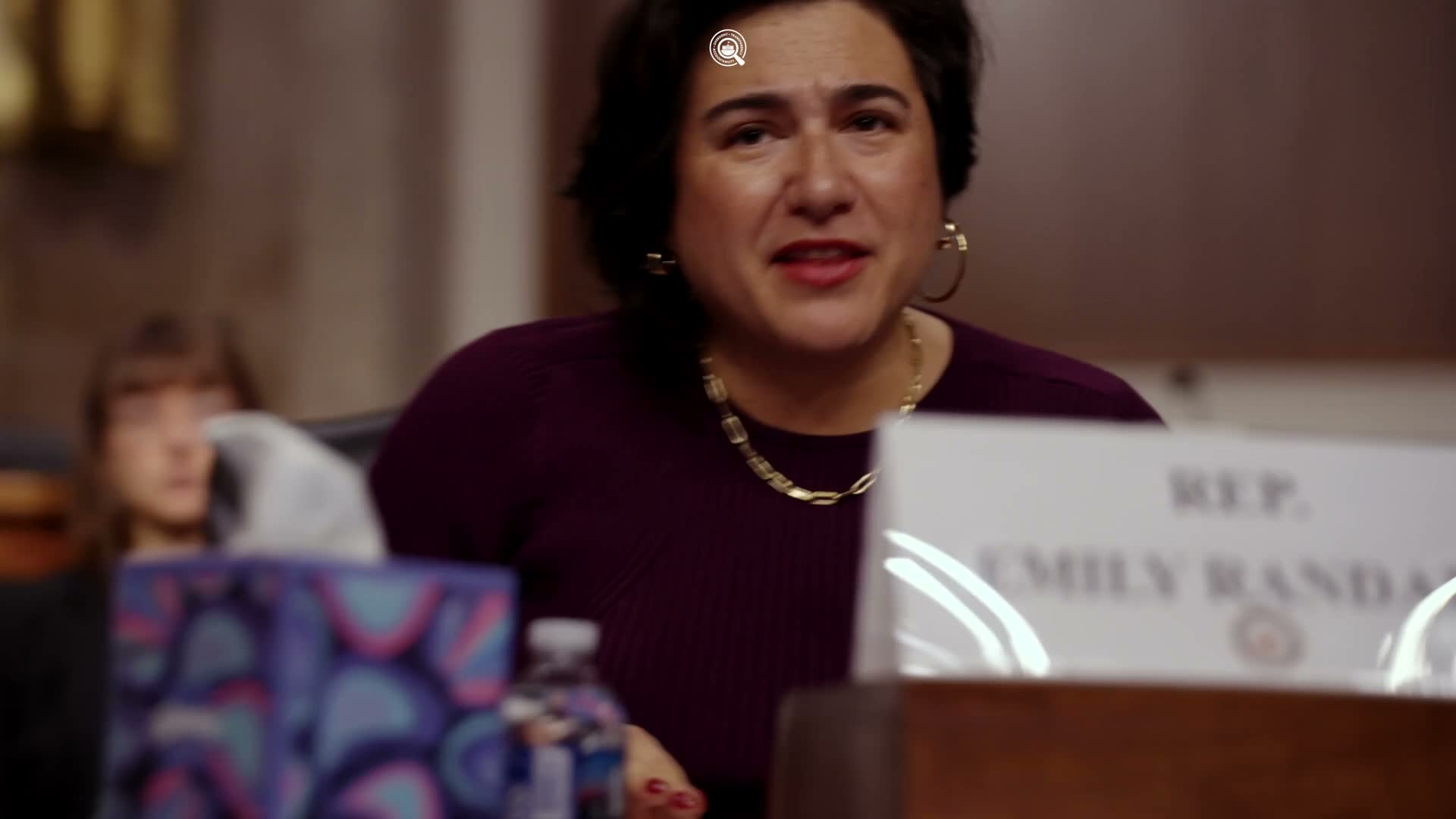
The Lawmaker opened the hearing by saying the administration was showing a "blatant disregard of the rule of law," naming "Donald Trump, Stephen Miller, and Christine Noem" as architects of policies she described as driven "from a place of hate and not a place of facts." She told the panel she had visited the Northwest Detention Center in her district six times and had been "illegally denied entry" twice while attempting unannounced oversight visits.
"They're executing illegal warrants in violation of the Fourth Amendment," the Lawmaker said, adding that tribal citizens had reported racial profiling and detention. She said there are "12 tribal nations in my district" and criticized a recent letter from Noem to tribal leaders denying that enrolled tribal citizens had been detained, calling that assertion "a pure lie." The Lawmaker framed her questions as part of the committee's oversight duty.
A witness who said he was not familiar with the precise training coverage at the upper ranks of the department deferred a number of technical questions to another official. "I might wanna punt that one to Mister Schwenk," the Witness said, and added that the Lawmaker's description of tribal-ID problems was "quite concerning" compared with his experience.
An academy instructor who testified about training materials said the curriculum included general classes on identification documents but that, because "we have eliminated practical testing, I have no idea if they're actually learning it." He also said course materials instructed officers to follow Department of Justice guidance on the use of race but that "in practice, what the cadets are taught is to follow what's called the Kavanaugh stop. That is that they are allowed to use race as a factor, not the sole factor, but a factor in their operations." The Lawmaker responded that she and communities had observed "disturbing effects" of that practice.
The hearing did not produce documentary evidence in the transcript proving the Lawmaker's broader allegations about warrants or the full extent of detentions; witnesses described training content and gaps but either deferred technical questions or said they did not have information about implementation at higher levels. The Lawmaker concluded her questioning and yielded back.
The exchange highlighted two central issues the panel probed: whether agents have adequate, practical training to recognize valid tribal identification and whether guidance or practices effectively permit racial profiling. Witnesses described limits in academy testing and curriculum but did not provide a comprehensive account of department-wide practices or operations on tribal lands. The committee did not record a formal vote or an immediate next-step in the transcript.
View the Full Meeting & All Its Details
This article offers just a summary. Unlock complete video, transcripts, and insights as a Founder Member.
30-day money-back guarantee
