Lawmakers press Pentagon on Anthropic blacklist and AI procurement rules at Pentagon witness hearing
March 05, 2026 | Armed Services: House Committee, Standing Committees - House & Senate, Congressional Hearings Compilation, Legislative, Federal
This article was created by AI summarizing key points discussed. AI makes mistakes, so for full details and context, please refer to the video of the full meeting. Please report any errors so we can fix them. Report an error »
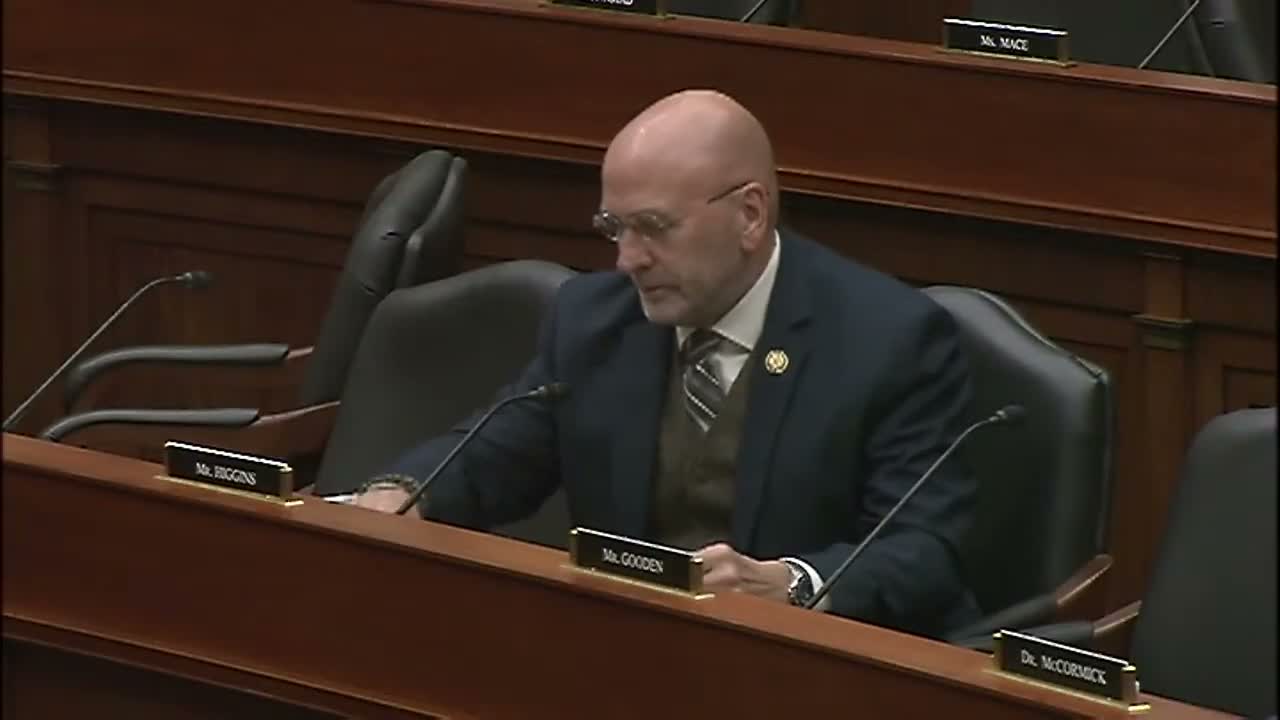
Rep. Jacobs pressed Undersecretary Michael Duffy on the Pentagon's February action designating Anthropic as a supply-chain risk after the company insisted on two contractual restrictions: no mass domestic surveillance and no use in fully autonomous weapons. Jacobs said the designation was troubling because Congress designed that authority to target adversarial foreign actors like Huawei, not U.S. firms, and she asked whether DOD explored narrower alternatives such as cancelling the contract, issuing DFARS guidance, or using waiver timelines.
Duffy said he had been consulted before the designation and defended the department's judgment. He argued that continually updated AI services introduce unique vulnerabilities and that DOD needs vendors willing to provide the operational flexibility required of sensitive defense tools: 'The nature of artificial intelligence introduces specific and very great vulnerabilities and the need for continued updates from the company' that introduce risk to acquisition, so we need trusted relationships,' he told the committee.
Jacobs contrasted the Anthropic designation with the department's continuing relationship with other AI vendors, noting OpenAI had secured a classified Pentagon deal with similar restrictions and that OpenAI publicly said Anthropic should not be designated a supply-chain risk. Jacobs called the move 'retaliation' if a government action treats two vendors differently for the same contractual terms.
Duffy replied that the department made its determination based on sustained engagement with the company and that, since the designation, alternative AI vendors had stepped forward to offer services without the same contractual limits. Several members warned the designation could discourage start-ups and frontier AI companies from working with the Defense Department.
The exchange did not produce a formal change in policy; members asked for further detail on whether DOD evaluated less-restrictive options and requested written explanations of the department's process. Duffy said the department would provide follow-up information.
The committee did not vote; the discussion was recorded as a formal oversight question and a follow-up request.
Duffy said he had been consulted before the designation and defended the department's judgment. He argued that continually updated AI services introduce unique vulnerabilities and that DOD needs vendors willing to provide the operational flexibility required of sensitive defense tools: 'The nature of artificial intelligence introduces specific and very great vulnerabilities and the need for continued updates from the company' that introduce risk to acquisition, so we need trusted relationships,' he told the committee.
Jacobs contrasted the Anthropic designation with the department's continuing relationship with other AI vendors, noting OpenAI had secured a classified Pentagon deal with similar restrictions and that OpenAI publicly said Anthropic should not be designated a supply-chain risk. Jacobs called the move 'retaliation' if a government action treats two vendors differently for the same contractual terms.
Duffy replied that the department made its determination based on sustained engagement with the company and that, since the designation, alternative AI vendors had stepped forward to offer services without the same contractual limits. Several members warned the designation could discourage start-ups and frontier AI companies from working with the Defense Department.
The exchange did not produce a formal change in policy; members asked for further detail on whether DOD evaluated less-restrictive options and requested written explanations of the department's process. Duffy said the department would provide follow-up information.
The committee did not vote; the discussion was recorded as a formal oversight question and a follow-up request.
Don't Miss a Word: See the Full Meeting!
Go beyond summaries. Unlock every video, transcript, and key insight with a Founder Membership.
✓
Get instant access to full meeting videos
✓
Search and clip any phrase from complete transcripts
✓
Receive AI-powered summaries & custom alerts
✓
Enjoy lifetime, unrestricted access to government data
30-day money-back guarantee
