Teachers, paraeducators and unions urge FOIA change to shield home addresses from public disclosure
March 04, 2026 | Government Oversight, House of Representatives, Committees, Legislative, Connecticut
This article was created by AI summarizing key points discussed. AI makes mistakes, so for full details and context, please refer to the video of the full meeting. Please report any errors so we can fix them. Report an error »
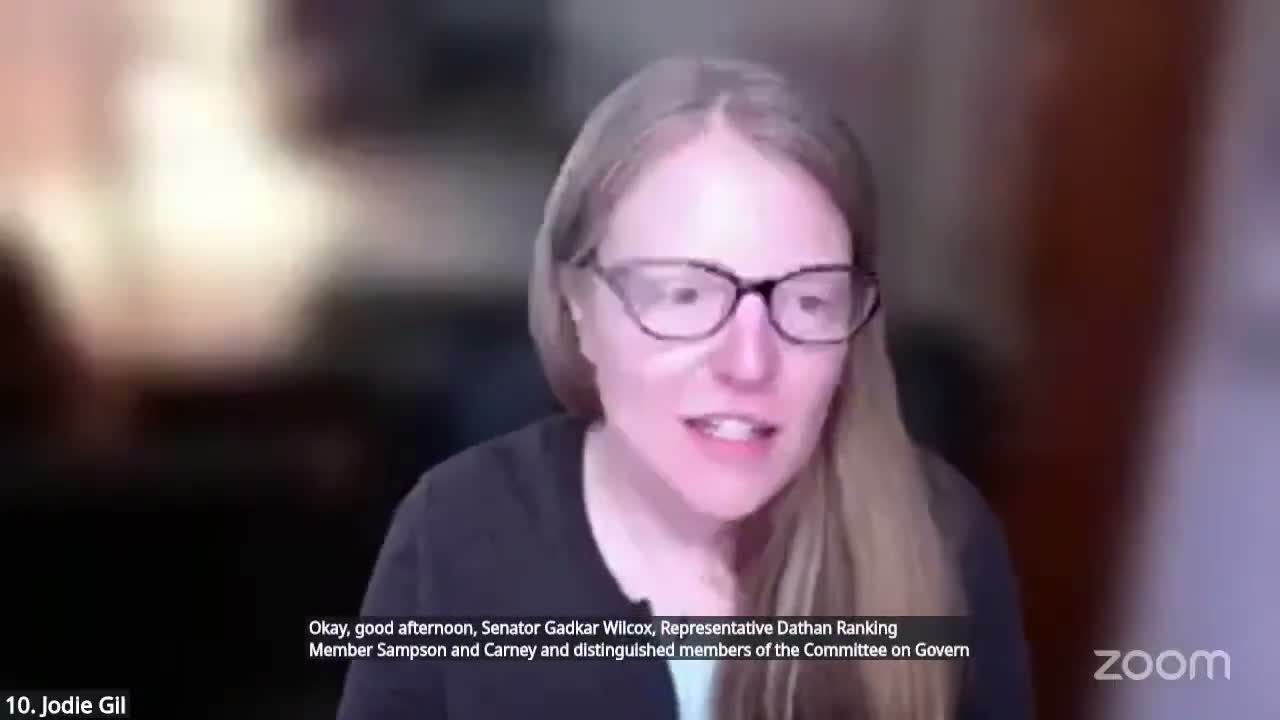
A broad coalition of teachers, paraeducators, school‑employee unions and education associations urged the Government Oversight Committee on March 3 to pass SB 325, which would prohibit disclosure of educators’ residential addresses under the Freedom of Information Act.
Speakers—including union leaders and classroom teachers—described rising threats, online harassment and doxxing that have made many educators feel unsafe in their communities. Witnesses gave local examples: a teacher whose address was disclosed in testimony and who later said she felt threatened and retired early; board‑meeting incidents in which personal phone numbers of school employees were displayed; and surveys showing safety is a top concern for prospective educators. Paraeducators and other school staff argued they face the same on‑the‑job risks as certified teachers and urged that protections extend to them as well.
Several witnesses also asked that the task force called for in SB 325 to study AI‑driven ‘mass’ FOIA requests include labor representatives and journalists, arguing those stakeholders will both be affected and provide important perspective on operational impacts and requester needs. CCFOI (a FOI advocacy group) opposed adding profession‑based exemptions without broader study, noting that home addresses are often available through commercial data brokers and asking for pause and alternatives such as individual exemption requests.
Lawmakers asked for evidence and cautioned about drawing lines between transparency and privacy. Proponents said the bill would not block access to official records, but would draw a narrow line protecting private home contact information to reduce the risk of harassment and help retain educators. The committee did not vote and requested written supplemental materials from several witnesses.
Speakers—including union leaders and classroom teachers—described rising threats, online harassment and doxxing that have made many educators feel unsafe in their communities. Witnesses gave local examples: a teacher whose address was disclosed in testimony and who later said she felt threatened and retired early; board‑meeting incidents in which personal phone numbers of school employees were displayed; and surveys showing safety is a top concern for prospective educators. Paraeducators and other school staff argued they face the same on‑the‑job risks as certified teachers and urged that protections extend to them as well.
Several witnesses also asked that the task force called for in SB 325 to study AI‑driven ‘mass’ FOIA requests include labor representatives and journalists, arguing those stakeholders will both be affected and provide important perspective on operational impacts and requester needs. CCFOI (a FOI advocacy group) opposed adding profession‑based exemptions without broader study, noting that home addresses are often available through commercial data brokers and asking for pause and alternatives such as individual exemption requests.
Lawmakers asked for evidence and cautioned about drawing lines between transparency and privacy. Proponents said the bill would not block access to official records, but would draw a narrow line protecting private home contact information to reduce the risk of harassment and help retain educators. The committee did not vote and requested written supplemental materials from several witnesses.
View the Full Meeting & All Its Details
This article offers just a summary. Unlock complete video, transcripts, and insights as a Founder Member.
✓
Watch full, unedited meeting videos
✓
Search every word spoken in unlimited transcripts
✓
AI summaries & real-time alerts (all government levels)
✓
Permanent access to expanding government content
30-day money-back guarantee
