Oklahoma City planning staff unveil pattern‑based zoning proposal to give neighborhoods more predictable, flexible development
March 05, 2026 | Other Public Meetings, Oklahoma City, Oklahoma County, Oklahoma
This article was created by AI summarizing key points discussed. AI makes mistakes, so for full details and context, please refer to the video of the full meeting. Please report any errors so we can fix them. Report an error »
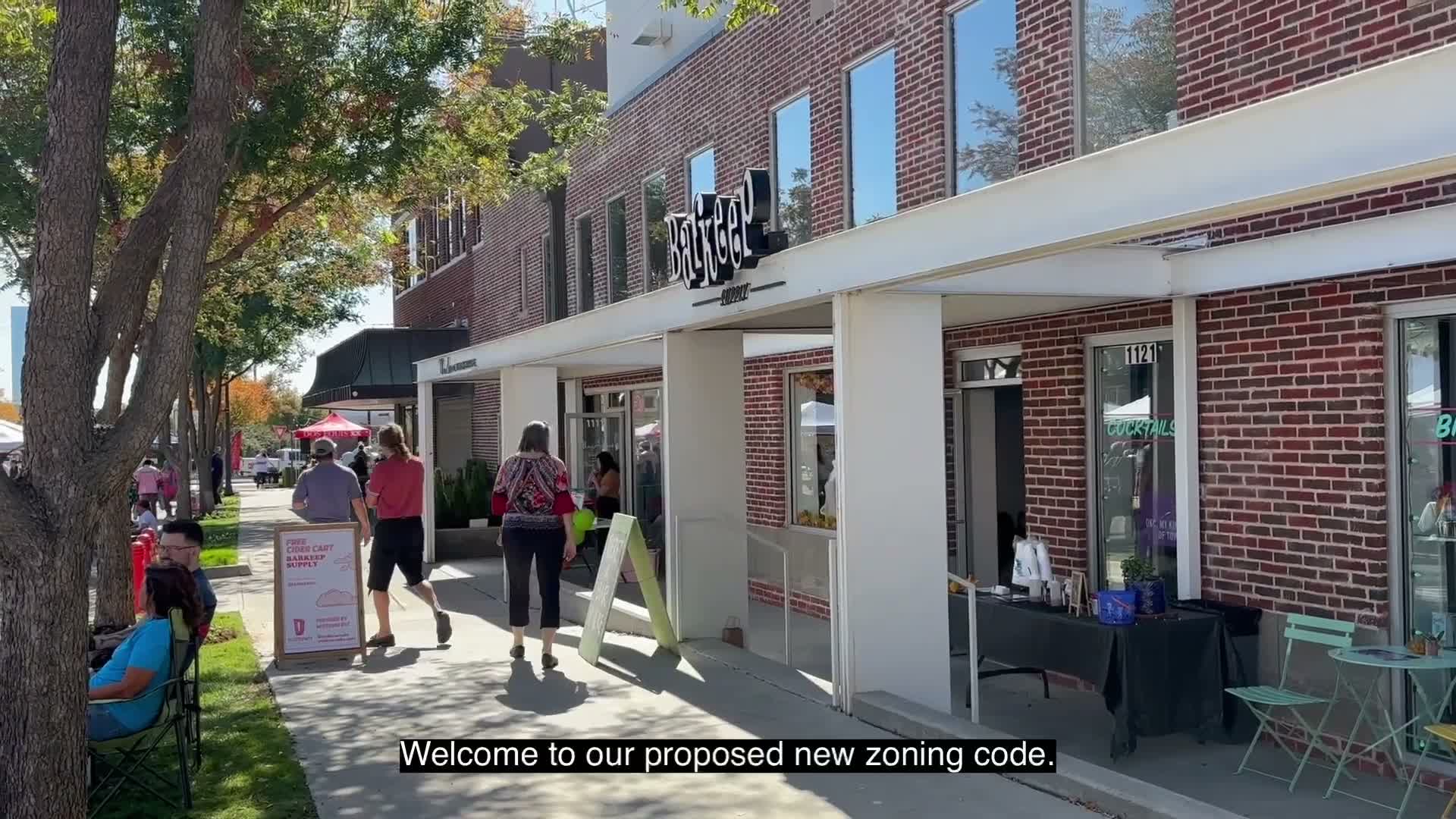
Jeff Butler, Oklahoma City's planning director, opened a briefing on a proposed rewrite of the city's zoning code and invited residents to review and comment.
The presentation, delivered by a presenter identified in the transcript only by speaker number, outlined a shift away from conventional use‑separating zoning toward a contextual, pattern‑based system. "One zone, multiple options through patterns," the presenter said, describing the approach as a way to balance predictability and flexibility.
City staff argued the current conventional zoning model ‘‘strictly separates land uses,’’ a system they said can reduce livability, increase traffic congestion and harm air quality. The presenter said the proposed code would allow a mix of uses where appropriate while using design standards, landscaping and buffering to ensure compatibility between different uses.
Under the proposal, each zoning district would offer multiple "patterns" — specific development options tied to rules for building size, design and arrangement. Staff said developers would pick from those patterns based on proximity to higher‑ or lower‑density areas, streets, transit and other local conditions, and that residents could expect new projects to better match neighborhood character.
As an example, the presenter said a vacant corner lot in a low‑density residential area might have three pattern options; staff said that, regardless of which pattern is used, the regulations would control the resulting building so it fits with nearby homes. The presenter also said the new system would reduce the need for time‑consuming rezoning cases that can produce unpredictable outcomes for neighbors, calling that uncertainty "eliminated" by the new code.
The presenter said the proposal was developed with input from "thousands of residents and other stakeholders." The article reports that as a claim made in the briefing; the transcript does not provide supporting documentation of that outreach within this session.
There were no votes or formal decisions recorded in the transcript. Butler closed the briefing by directing listeners to vision.okc.gov to review materials and submit feedback as staff refine the code.
Next steps: staff encouraged public review and comment on the project website; no formal adoption or council action occurred during the recorded briefing.
The presentation, delivered by a presenter identified in the transcript only by speaker number, outlined a shift away from conventional use‑separating zoning toward a contextual, pattern‑based system. "One zone, multiple options through patterns," the presenter said, describing the approach as a way to balance predictability and flexibility.
City staff argued the current conventional zoning model ‘‘strictly separates land uses,’’ a system they said can reduce livability, increase traffic congestion and harm air quality. The presenter said the proposed code would allow a mix of uses where appropriate while using design standards, landscaping and buffering to ensure compatibility between different uses.
Under the proposal, each zoning district would offer multiple "patterns" — specific development options tied to rules for building size, design and arrangement. Staff said developers would pick from those patterns based on proximity to higher‑ or lower‑density areas, streets, transit and other local conditions, and that residents could expect new projects to better match neighborhood character.
As an example, the presenter said a vacant corner lot in a low‑density residential area might have three pattern options; staff said that, regardless of which pattern is used, the regulations would control the resulting building so it fits with nearby homes. The presenter also said the new system would reduce the need for time‑consuming rezoning cases that can produce unpredictable outcomes for neighbors, calling that uncertainty "eliminated" by the new code.
The presenter said the proposal was developed with input from "thousands of residents and other stakeholders." The article reports that as a claim made in the briefing; the transcript does not provide supporting documentation of that outreach within this session.
There were no votes or formal decisions recorded in the transcript. Butler closed the briefing by directing listeners to vision.okc.gov to review materials and submit feedback as staff refine the code.
Next steps: staff encouraged public review and comment on the project website; no formal adoption or council action occurred during the recorded briefing.
Don't Miss a Word: See the Full Meeting!
Go beyond summaries. Unlock every video, transcript, and key insight with a Founder Membership.
✓
Get instant access to full meeting videos
✓
Search and clip any phrase from complete transcripts
✓
Receive AI-powered summaries & custom alerts
✓
Enjoy lifetime, unrestricted access to government data
30-day money-back guarantee
