Board discussion on impact-fee increases draws strong comment; motion to adopt new fee schedule fails
May 14, 2024 | Rio Rancho, Sandoval County, New Mexico
This article was created by AI summarizing key points discussed. AI makes mistakes, so for full details and context, please refer to the video of the full meeting. Please report any errors so we can fix them. Report an error »
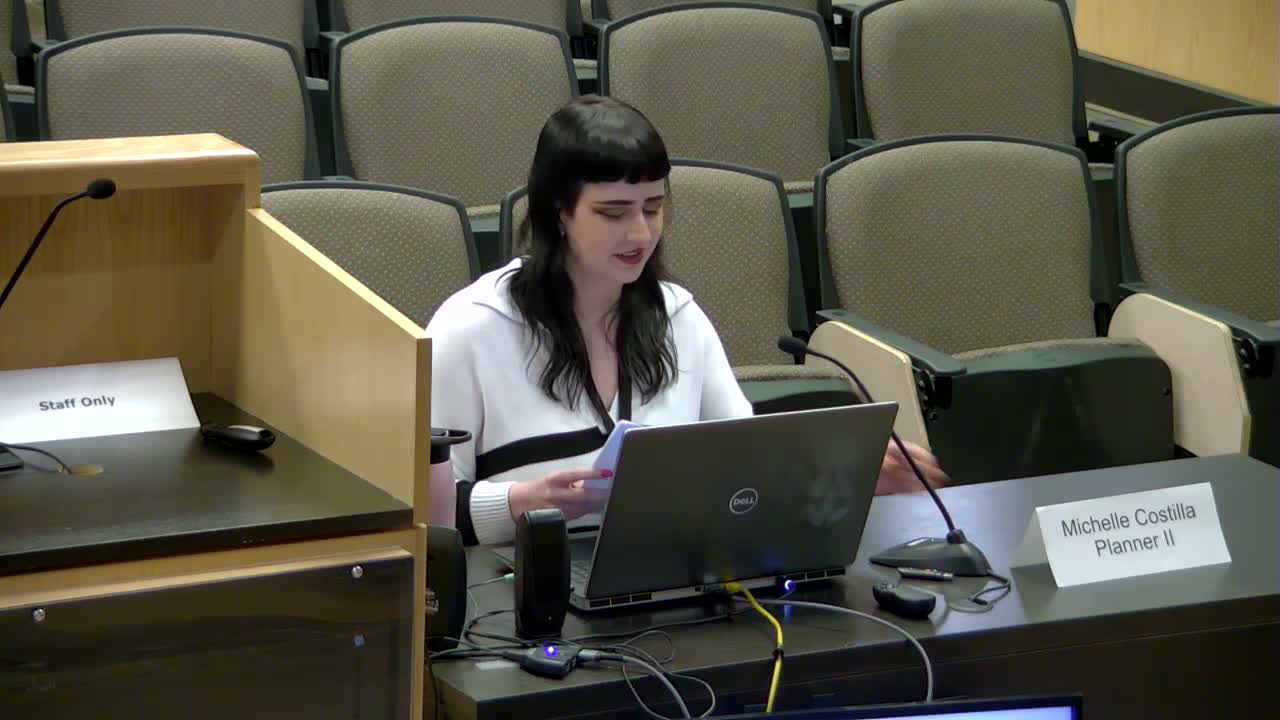
City planning staff presented proposed text amendments May 14 to the Rio Rancho code to update impact fees and add subcategory fees for certain nonresidential uses. Planner Michelle Castillo said the update was required by New Mexico statute and recommended an "option C" that starts with an 18.8% true-up on July 1, 2024, followed by 3.5% annual increases through July 1, 2029. Staff also proposed subcategory fees for uses such as quick-service restaurants, car washes and assisted-living beds and said the proposals were the result of two rounds of stakeholder sessions, a consultant study and governing-body work sessions.
The item drew extended public comment and detailed questioning from board members. Lana Smithle, executive vice president of the Home Builders Association, said the building industry is concerned that passing fees to consumers will further increase housing costs and urged the city to consider fee waivers or other tools for attainable housing. "Any kind of a fee that we're going to pass down to a prospective consumer ... is just going to make it even more difficult for someone to build or buy a house," she said.
Commissioners asked whether alternatives and step-down approaches were analyzed and pressed staff on timing and burden to first-time buyers during a period of high interest rates. Staff and the capital-improvements committee representative explained they considered higher initial proposals and a variety of options, and that the recommended option reflected stakeholder feedback and an effort to preserve the city's purchasing power for required capital projects. Staff noted tools such as fee-waiver programs for affordable housing projects and existing development agreements that limit fee-credit portability.
Board members also questioned specific proposed subcategory amounts discussed in the presentation; staff referred commissioners and the public to the study materials and attachments for detailed fee tables. After discussion and public comment, the motion to approve the text amendments failed on roll call (majority of commissioners voted no), so the proposed new fee schedule was not adopted by the planning board on May 14. The land-use assumptions resolution (a separate item) recommending updated assumptions to the governing body was approved earlier in the meeting.
Next steps: staff will send the record and recommendations to the governing body; because the planning board did not approve the text amendments, the governing body will consider the proposals and any additional stakeholder input at its next meeting.
The item drew extended public comment and detailed questioning from board members. Lana Smithle, executive vice president of the Home Builders Association, said the building industry is concerned that passing fees to consumers will further increase housing costs and urged the city to consider fee waivers or other tools for attainable housing. "Any kind of a fee that we're going to pass down to a prospective consumer ... is just going to make it even more difficult for someone to build or buy a house," she said.
Commissioners asked whether alternatives and step-down approaches were analyzed and pressed staff on timing and burden to first-time buyers during a period of high interest rates. Staff and the capital-improvements committee representative explained they considered higher initial proposals and a variety of options, and that the recommended option reflected stakeholder feedback and an effort to preserve the city's purchasing power for required capital projects. Staff noted tools such as fee-waiver programs for affordable housing projects and existing development agreements that limit fee-credit portability.
Board members also questioned specific proposed subcategory amounts discussed in the presentation; staff referred commissioners and the public to the study materials and attachments for detailed fee tables. After discussion and public comment, the motion to approve the text amendments failed on roll call (majority of commissioners voted no), so the proposed new fee schedule was not adopted by the planning board on May 14. The land-use assumptions resolution (a separate item) recommending updated assumptions to the governing body was approved earlier in the meeting.
Next steps: staff will send the record and recommendations to the governing body; because the planning board did not approve the text amendments, the governing body will consider the proposals and any additional stakeholder input at its next meeting.
Don't Miss a Word: See the Full Meeting!
Go beyond summaries. Unlock every video, transcript, and key insight with a Founder Membership.
✓
Get instant access to full meeting videos
✓
Search and clip any phrase from complete transcripts
✓
Receive AI-powered summaries & custom alerts
✓
Enjoy lifetime, unrestricted access to government data
30-day money-back guarantee
