Wissahickon board approves first reading to limit routine public comment to current stakeholders
March 03, 2026 | Wissahickon SD, School Districts, Pennsylvania
This article was created by AI summarizing key points discussed. AI makes mistakes, so for full details and context, please refer to the video of the full meeting. Please report any errors so we can fix them. Report an error »
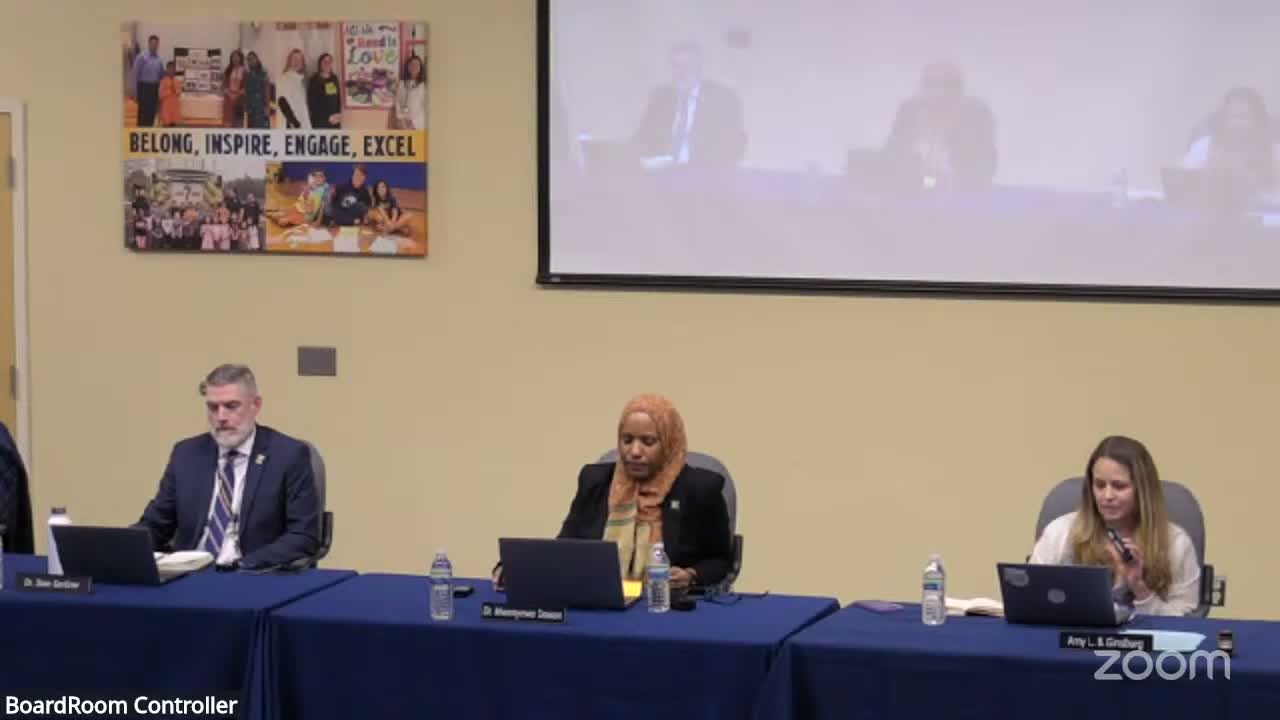
The Wissahickon School District board voted on a first reading to revise policy 903, narrowing routine public‑comment eligibility so that, in ordinary circumstances, only individuals with a current stake in the district — residents, taxpayers, parents and guardians of enrolled students, current students and employees — may speak during public comment slots.
Supporters said the change is intended to prioritize limited speaking time for people directly affected by board decisions. Board member Diane (speaker 17) said the language clarifies that “only stakeholders should be able to speak at board meetings,” arguing it promotes fairness when the number of speakers is capped.
Opponents, including public commenter Mark Kamen, argued that nonresident alumni provide valuable perspective and that the amendment would silence critics. Kamen called the proposed limit “deeply flawed and troubling,” and other commenters warned the change would curtail community engagement.
After discussion, the board approved the measure on a roll‑call vote recorded in the meeting as 6 yes, 3 no. The change was approved as a first reading; board members said the policy will return for a second reading and final vote at the board’s next scheduled meeting.
Supporters framed the measure narrowly as a governance tool to preserve equitable access for those currently governed by the board’s decisions. Opponents said alternative avenues for engagement exist but warned about limiting perspectives on district policy.
The board’s action on policy 903 does not immediately remove public‑input channels beyond the formal meeting format but will govern who is eligible to speak during the capped public‑comment periods if the revision is adopted at final reading.
Supporters said the change is intended to prioritize limited speaking time for people directly affected by board decisions. Board member Diane (speaker 17) said the language clarifies that “only stakeholders should be able to speak at board meetings,” arguing it promotes fairness when the number of speakers is capped.
Opponents, including public commenter Mark Kamen, argued that nonresident alumni provide valuable perspective and that the amendment would silence critics. Kamen called the proposed limit “deeply flawed and troubling,” and other commenters warned the change would curtail community engagement.
After discussion, the board approved the measure on a roll‑call vote recorded in the meeting as 6 yes, 3 no. The change was approved as a first reading; board members said the policy will return for a second reading and final vote at the board’s next scheduled meeting.
Supporters framed the measure narrowly as a governance tool to preserve equitable access for those currently governed by the board’s decisions. Opponents said alternative avenues for engagement exist but warned about limiting perspectives on district policy.
The board’s action on policy 903 does not immediately remove public‑input channels beyond the formal meeting format but will govern who is eligible to speak during the capped public‑comment periods if the revision is adopted at final reading.
Don't Miss a Word: See the Full Meeting!
Go beyond summaries. Unlock every video, transcript, and key insight with a Founder Membership.
✓
Get instant access to full meeting videos
✓
Search and clip any phrase from complete transcripts
✓
Receive AI-powered summaries & custom alerts
✓
Enjoy lifetime, unrestricted access to government data
30-day money-back guarantee
