Lawmakers hear calls for state oversight of proposed 900‑megawatt Seminole pumped‑storage project
March 02, 2026 | Joint & Standing, Committees, Legislative, Wyoming
This article was created by AI summarizing key points discussed. AI makes mistakes, so for full details and context, please refer to the video of the full meeting. Please report any errors so we can fix them. Report an error »
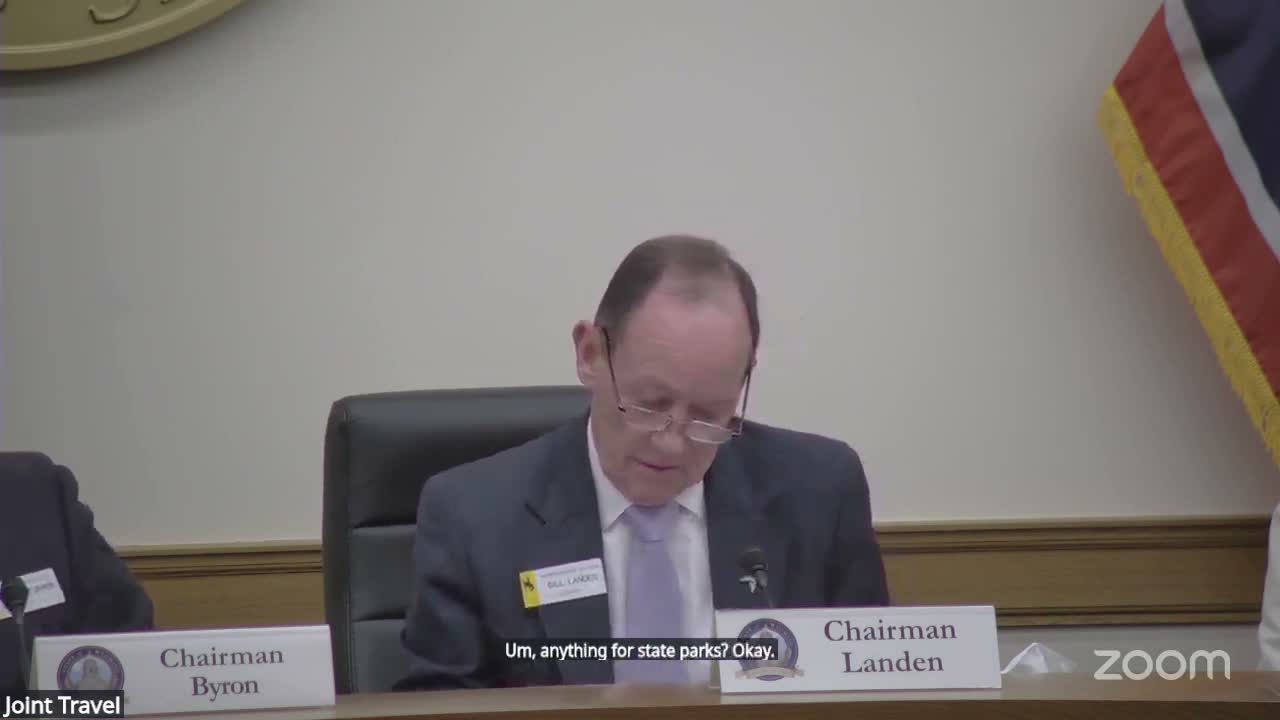
Patrick Harrington of Trout Unlimited told the Travel, Recreation and Wildlife interim committee that the Seminole pumped‑storage proposal — a roughly 900‑megawatt pumped‑storage project using Seminole Reservoir — needs closer state scrutiny.
“It’s the Seminole pump storage project’s a 900 megawatt, making it one of the largest energy producers in the state,” Harrington said, describing the development as essentially a “water battery” that would move large volumes of water uphill when wind power is available and send it back downhill to generate electricity when demand rises. He warned of data gaps in the federal review and said an alternative was filed only about two weeks before the comment deadline, limiting public scrutiny.
The request to the committee was narrowly framed as oversight rather than a recommendation for or against the project: Harrington urged agencies to answer a set of targeted questions in writing so the legislature can better understand how proposed changes affect agency review and whether unresolved agency concerns remain. “This isn’t about saying yes or no to this project,” he said. “It’s about oversight and understanding for our elected officials and for the people of Wyoming.”
Katie Cheesebrow, executive director of the Wyoming Wild Sheep Foundation, told lawmakers the project raises statewide concerns because it seeks exemptions from protections that apply to a particularly healthy bighorn sheep herd. She said projects that press for exemptions from state or federal wildlife timing stipulations can set precedents affecting future siting decisions.
Committee members noted the potential for significant environmental effects: Harrington cited the Miracle Mile — a river reach that formerly carried a Class I designation — and described peak flows the project could produce (Harrington referenced up to 10,800 cubic feet per second in testimony). Members also flagged that several state agencies and the public have not had full opportunity to be heard in the federal process, heightening the committee’s interest in ensuring the state’s voice is visible in the record.
Several lawmakers welcomed the narrower oversight approach Harrington offered. The committee did not take a formal vote on policy but discussed options for submitting written questions to agencies, scheduling an interim meeting topic on the project, or receiving a focused report so members can weigh whether to pursue legislation or formal recommendations.
Next steps: The committee may ask state agencies for a written, time‑boxed response to a set of oversight questions and could slot the Seminole project for a focused review during the interim; no legislative action or vote on the project was taken at this meeting.
“It’s the Seminole pump storage project’s a 900 megawatt, making it one of the largest energy producers in the state,” Harrington said, describing the development as essentially a “water battery” that would move large volumes of water uphill when wind power is available and send it back downhill to generate electricity when demand rises. He warned of data gaps in the federal review and said an alternative was filed only about two weeks before the comment deadline, limiting public scrutiny.
The request to the committee was narrowly framed as oversight rather than a recommendation for or against the project: Harrington urged agencies to answer a set of targeted questions in writing so the legislature can better understand how proposed changes affect agency review and whether unresolved agency concerns remain. “This isn’t about saying yes or no to this project,” he said. “It’s about oversight and understanding for our elected officials and for the people of Wyoming.”
Katie Cheesebrow, executive director of the Wyoming Wild Sheep Foundation, told lawmakers the project raises statewide concerns because it seeks exemptions from protections that apply to a particularly healthy bighorn sheep herd. She said projects that press for exemptions from state or federal wildlife timing stipulations can set precedents affecting future siting decisions.
Committee members noted the potential for significant environmental effects: Harrington cited the Miracle Mile — a river reach that formerly carried a Class I designation — and described peak flows the project could produce (Harrington referenced up to 10,800 cubic feet per second in testimony). Members also flagged that several state agencies and the public have not had full opportunity to be heard in the federal process, heightening the committee’s interest in ensuring the state’s voice is visible in the record.
Several lawmakers welcomed the narrower oversight approach Harrington offered. The committee did not take a formal vote on policy but discussed options for submitting written questions to agencies, scheduling an interim meeting topic on the project, or receiving a focused report so members can weigh whether to pursue legislation or formal recommendations.
Next steps: The committee may ask state agencies for a written, time‑boxed response to a set of oversight questions and could slot the Seminole project for a focused review during the interim; no legislative action or vote on the project was taken at this meeting.
Don't Miss a Word: See the Full Meeting!
Go beyond summaries. Unlock every video, transcript, and key insight with a Founder Membership.
✓
Get instant access to full meeting videos
✓
Search and clip any phrase from complete transcripts
✓
Receive AI-powered summaries & custom alerts
✓
Enjoy lifetime, unrestricted access to government data
30-day money-back guarantee
