Committee approves $22.2 million Lifeline contract extension and expands spay/neuter, mobile clinic services
March 04, 2026 | DeKalb County, Georgia
This article was created by AI summarizing key points discussed. AI makes mistakes, so for full details and context, please refer to the video of the full meeting. Please report any errors so we can fix them. Report an error »
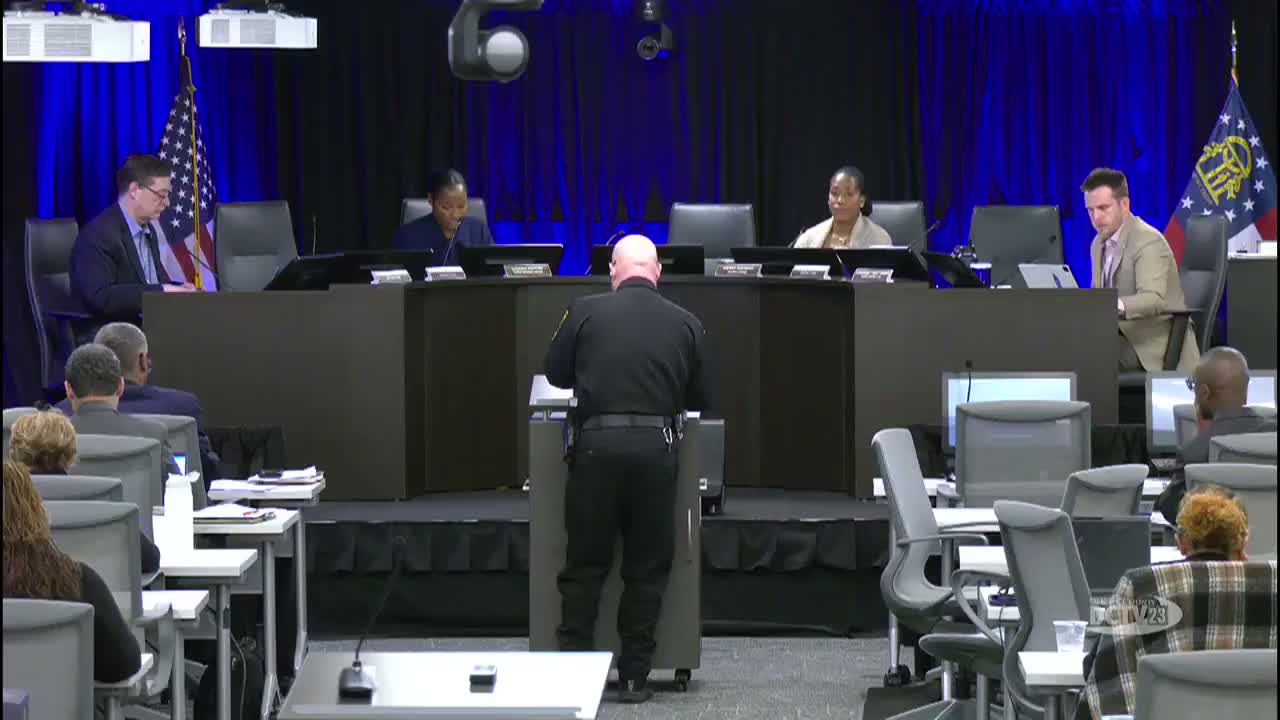
The DeKalb County IRPS committee voted to approve a change order extending and expanding the Lifeline Animal Projects contract (contract 1132039) with a not-to-exceed amount of $22,244,500 and a new term through Dec. 31, 2027.
County staff told commissioners the extension adds upstream prevention services, including increased spay/neuter capacity (dogs from about 3,600 to 4,500 and cats from about 1,200 to 1,500 in the staff presentation) and a mobile veterinary service to serve high-need areas starting in April if approved. "We're expanding the spay and neutering," a county director said, "from the current 3,600 surgeries to 4,500 for dogs, and for cats from 1,200 to 1,500," and described added outreach and new positions to support the work.
Several commissioners pressed staff on residency safeguards and whether DeKalb general fund dollars would subsidize services for nonresidents. "We get folks from all over that partake in the services that DeKalb County provides," Chair Ladina Bolton said, asking staff to consider guardrails such as proof of residency. County staff and a Lifeline representative replied that the programs in this proposal are intended for DeKalb County residents and that participants at county-run sites must show identification; a Lifeline representative said, "All of these programs are strictly for DeKalb County residents. Theyeither come to the DeKalb County shelter where people show ID or they have to prove identification to get additional spay/neuter."
Commissioners and Lifeline staff also discussed partnering on district events, using mobile clinic capacity for commissioner-sponsored outreach and targeting specific ZIP codes with higher need. Commissioners requested commitments on reserving some capacity for district events and asked staff to provide itemized budgets. County staff said detailed spreadsheets and vendor line items are available from Facilities and audit records.
The committeeapproved the recommendation to ratify the extended term, rate increases and expanded services by voice vote. Next steps outlined by staff include implementing the expanded services beginning in April and working with commissioners to target outreach in priority neighborhoods.
County staff told commissioners the extension adds upstream prevention services, including increased spay/neuter capacity (dogs from about 3,600 to 4,500 and cats from about 1,200 to 1,500 in the staff presentation) and a mobile veterinary service to serve high-need areas starting in April if approved. "We're expanding the spay and neutering," a county director said, "from the current 3,600 surgeries to 4,500 for dogs, and for cats from 1,200 to 1,500," and described added outreach and new positions to support the work.
Several commissioners pressed staff on residency safeguards and whether DeKalb general fund dollars would subsidize services for nonresidents. "We get folks from all over that partake in the services that DeKalb County provides," Chair Ladina Bolton said, asking staff to consider guardrails such as proof of residency. County staff and a Lifeline representative replied that the programs in this proposal are intended for DeKalb County residents and that participants at county-run sites must show identification; a Lifeline representative said, "All of these programs are strictly for DeKalb County residents. Theyeither come to the DeKalb County shelter where people show ID or they have to prove identification to get additional spay/neuter."
Commissioners and Lifeline staff also discussed partnering on district events, using mobile clinic capacity for commissioner-sponsored outreach and targeting specific ZIP codes with higher need. Commissioners requested commitments on reserving some capacity for district events and asked staff to provide itemized budgets. County staff said detailed spreadsheets and vendor line items are available from Facilities and audit records.
The committeeapproved the recommendation to ratify the extended term, rate increases and expanded services by voice vote. Next steps outlined by staff include implementing the expanded services beginning in April and working with commissioners to target outreach in priority neighborhoods.
Don't Miss a Word: See the Full Meeting!
Go beyond summaries. Unlock every video, transcript, and key insight with a Founder Membership.
✓
Get instant access to full meeting videos
✓
Search and clip any phrase from complete transcripts
✓
Receive AI-powered summaries & custom alerts
✓
Enjoy lifetime, unrestricted access to government data
30-day money-back guarantee
