Panel considers expanding peer-to-peer reviews so doctors can advocate for patients throughout prior-authorization process
March 03, 2026 | Commerce and Consumer Affairs, House of Representatives, Committees , Legislative, New Hampshire
This article was created by AI summarizing key points discussed. AI makes mistakes, so for full details and context, please refer to the video of the full meeting. Please report any errors so we can fix them. Report an error »
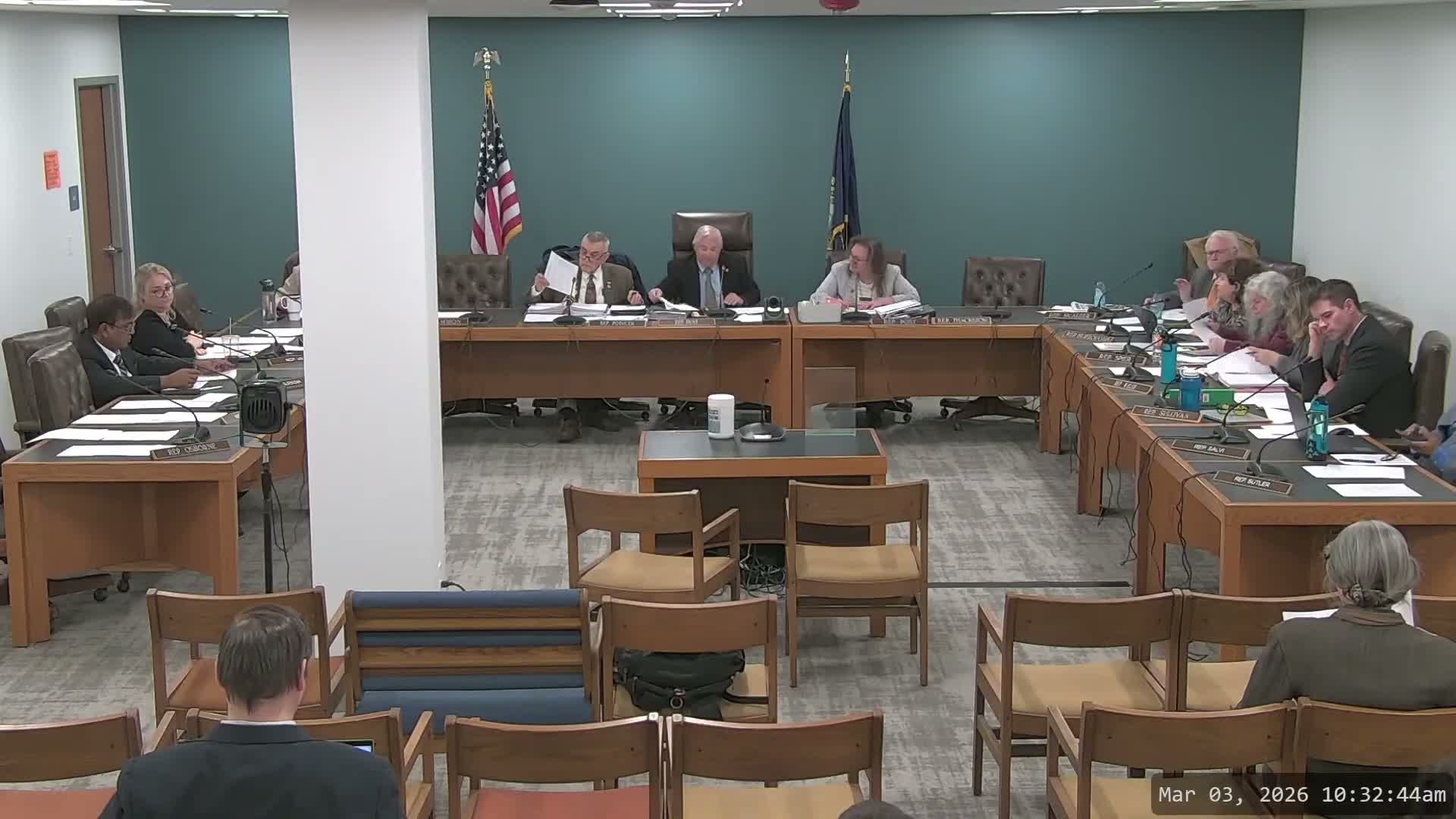
The House Insurance Subcommittee spent an extended session on HB1554, a bill that would allow an insured or their provider to request a peer-to-peer clinical conversation at any stage of a prior-authorization review — including after an initial denial but before external review — and clarifies credentialing requirements for the carrier reviewer.
Sponsor testimony highlighted real-world instances where an authorization is denied within minutes and the treating clinician loses the opportunity to speak with a reviewer. "So your doctor needs the opportunity to talk to the doctor at the plan for the duration of the first process," the sponsor said, describing cases where front-desk staff inform patients of a denial before the treating physician can advocate.
Department of Insurance witnesses explained the statute already contains timelines (14 days electronic; 30 days non-electronic; 72 hours for expedited reviews) and that peer-to-peer scheduling is challenging in practice because it requires coordinating two providers. The department suggested refined draft language to make clear the right to peer-to-peer review exists through the duration of the internal appeal process, and not to change external-review rules.
Insurer representatives cautioned that adding peer-to-peer during appeals could restart or 'muddy' appeal timing and that some peer-review activity is already possible under current rules. They also raised privacy and safety concerns about requiring the automatic disclosure of reviewing physicians’ contact information and identifiers. Supporters countered that a modest transparency baseline (reviewer name and NPI) is already public and helps treating clinicians follow up.
After technical debate about definitions ("appeal," "adverse determination," and timing windows), the subcommittee accepted amendment 0805H to clarify reviewer credentials and scheduling expectations. The subcommittee then moved the bill forward to the committee calendar for further action and possible senate consideration.
Why it matters
Supporters say the change would reduce delays in medically time-sensitive cases by ensuring clinicians can explain nuances directly to a plan reviewer; carriers warn the change could delay decisions if it becomes a mechanism to add new information that restarts internal-review clocks.
Next steps
The subcommittee adopted an amendment and advanced the bill for further action; clerks recorded roll calls and members signaled follow-up drafting work will be necessary to avoid inadvertently affecting external-review timeframes.
Sponsor testimony highlighted real-world instances where an authorization is denied within minutes and the treating clinician loses the opportunity to speak with a reviewer. "So your doctor needs the opportunity to talk to the doctor at the plan for the duration of the first process," the sponsor said, describing cases where front-desk staff inform patients of a denial before the treating physician can advocate.
Department of Insurance witnesses explained the statute already contains timelines (14 days electronic; 30 days non-electronic; 72 hours for expedited reviews) and that peer-to-peer scheduling is challenging in practice because it requires coordinating two providers. The department suggested refined draft language to make clear the right to peer-to-peer review exists through the duration of the internal appeal process, and not to change external-review rules.
Insurer representatives cautioned that adding peer-to-peer during appeals could restart or 'muddy' appeal timing and that some peer-review activity is already possible under current rules. They also raised privacy and safety concerns about requiring the automatic disclosure of reviewing physicians’ contact information and identifiers. Supporters countered that a modest transparency baseline (reviewer name and NPI) is already public and helps treating clinicians follow up.
After technical debate about definitions ("appeal," "adverse determination," and timing windows), the subcommittee accepted amendment 0805H to clarify reviewer credentials and scheduling expectations. The subcommittee then moved the bill forward to the committee calendar for further action and possible senate consideration.
Why it matters
Supporters say the change would reduce delays in medically time-sensitive cases by ensuring clinicians can explain nuances directly to a plan reviewer; carriers warn the change could delay decisions if it becomes a mechanism to add new information that restarts internal-review clocks.
Next steps
The subcommittee adopted an amendment and advanced the bill for further action; clerks recorded roll calls and members signaled follow-up drafting work will be necessary to avoid inadvertently affecting external-review timeframes.
Don't Miss a Word: See the Full Meeting!
Go beyond summaries. Unlock every video, transcript, and key insight with a Founder Membership.
✓
Get instant access to full meeting videos
✓
Search and clip any phrase from complete transcripts
✓
Receive AI-powered summaries & custom alerts
✓
Enjoy lifetime, unrestricted access to government data
30-day money-back guarantee
