Lawmakers debate bill to bar subscriptions for 'already installed' car features; amendment narrows scope to offline hardware
March 03, 2026 | Commerce and Consumer Affairs, House of Representatives, Committees , Legislative, New Hampshire
This article was created by AI summarizing key points discussed. AI makes mistakes, so for full details and context, please refer to the video of the full meeting. Please report any errors so we can fix them. Report an error »
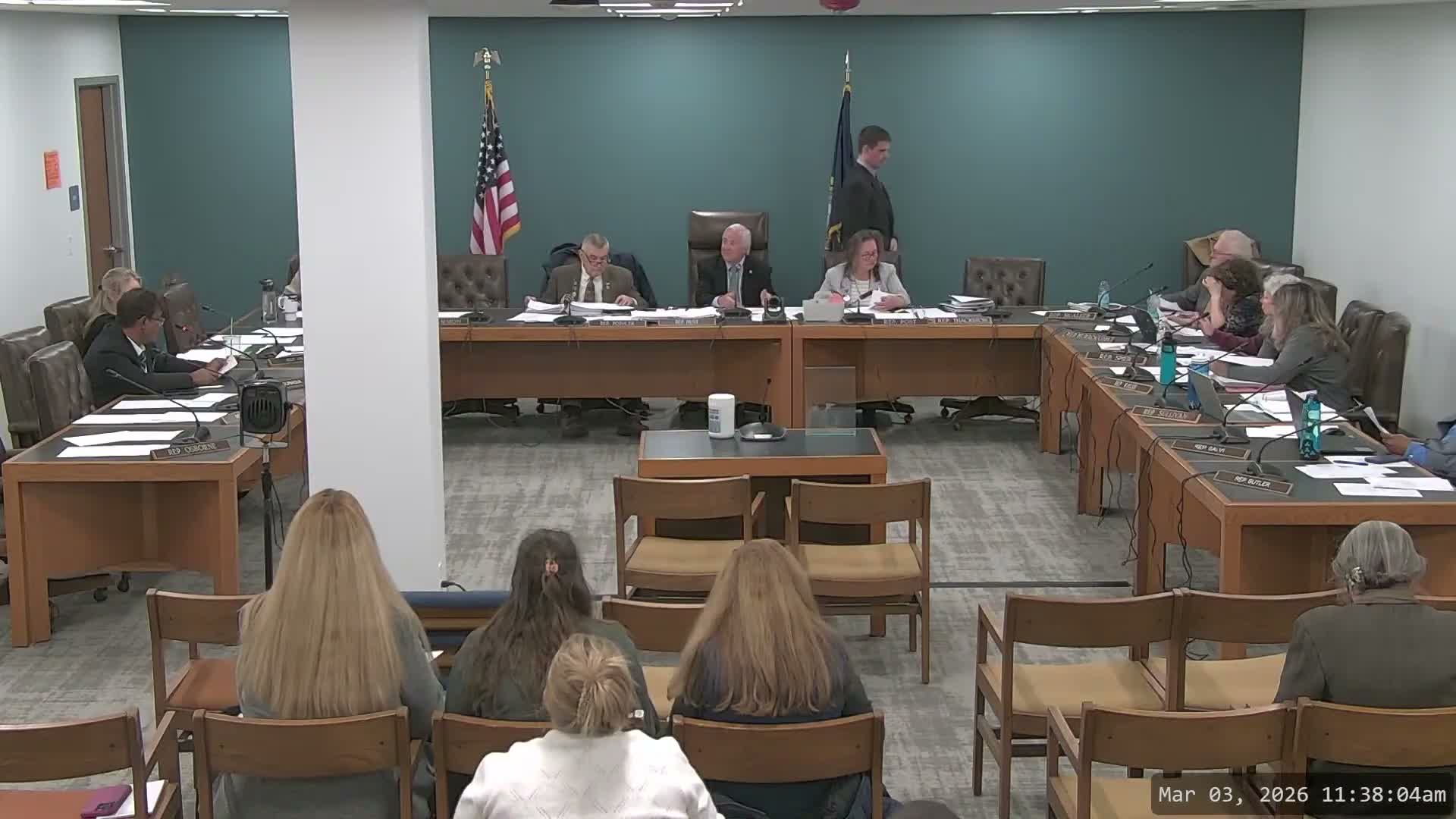
The Insurance Subcommittee heard extended testimony and partisan back-and-forth on proposed limits to automakers and software gatekeeping of in‑vehicle features, including remote start and heated seats. Supporters argued that when a hardware feature is installed in a vehicle and paid for as part of the purchase price, automakers should not be able to disable or require a subscription to re-enable that capability.
A sponsor described multiple consumer reports of features that once worked but were later tied to subscription fees, saying purchasers are effectively being double-charged for hardware they already own. "If you have a feature that's installed in your car...you've paid for that equipment," the sponsor said.
Opponents — including some committee members and industry-concerned speakers — warned about warranty implications, battery-life constraints, and the risk that manufacturers might change product offerings or withdraw models from the state market. Carriers and manufacturers told the committee that many connected features require ongoing external connectivity and third-party services and that some functions are legitimately delivered as subscription services.
In response to committee concerns, sponsors offered an amendment (O0957) that narrows the proposal to prohibit subscriptions only for features that are "already installed" and that operate without needing an ongoing external connection (for example, a hardware remote-start function that would still work in airplane mode). The committee adopted the narrower amendment (roll call recorded, amendment passed 9–5) and later voted to place parts of the matter into interim study to resolve drafting gaps and unintended consequences (interim-study vote recorded 11–4).
Why it matters
Consumer advocates framed the issue as a property-rights and consumer-protection problem: buyers expect to own and use hardware that is part of their purchase. Industry and skeptical lawmakers counter that the increasing complexity of software, connectivity and warranty ecosystems makes a hard statutory rule risky and potentially disruptive.
Next steps
The committee adopted a narrowed amendment and sent the broader questions to interim study for additional stakeholder work and redrafting.
A sponsor described multiple consumer reports of features that once worked but were later tied to subscription fees, saying purchasers are effectively being double-charged for hardware they already own. "If you have a feature that's installed in your car...you've paid for that equipment," the sponsor said.
Opponents — including some committee members and industry-concerned speakers — warned about warranty implications, battery-life constraints, and the risk that manufacturers might change product offerings or withdraw models from the state market. Carriers and manufacturers told the committee that many connected features require ongoing external connectivity and third-party services and that some functions are legitimately delivered as subscription services.
In response to committee concerns, sponsors offered an amendment (O0957) that narrows the proposal to prohibit subscriptions only for features that are "already installed" and that operate without needing an ongoing external connection (for example, a hardware remote-start function that would still work in airplane mode). The committee adopted the narrower amendment (roll call recorded, amendment passed 9–5) and later voted to place parts of the matter into interim study to resolve drafting gaps and unintended consequences (interim-study vote recorded 11–4).
Why it matters
Consumer advocates framed the issue as a property-rights and consumer-protection problem: buyers expect to own and use hardware that is part of their purchase. Industry and skeptical lawmakers counter that the increasing complexity of software, connectivity and warranty ecosystems makes a hard statutory rule risky and potentially disruptive.
Next steps
The committee adopted a narrowed amendment and sent the broader questions to interim study for additional stakeholder work and redrafting.
View the Full Meeting & All Its Details
This article offers just a summary. Unlock complete video, transcripts, and insights as a Founder Member.
✓
Watch full, unedited meeting videos
✓
Search every word spoken in unlimited transcripts
✓
AI summaries & real-time alerts (all government levels)
✓
Permanent access to expanding government content
30-day money-back guarantee
