Parent advisory leaders urge restored independence and broader outreach for PAC
March 03, 2026 | SPECL. SCH. DST. ST. LOUIS CO., School Districts, Missouri
This article was created by AI summarizing key points discussed. AI makes mistakes, so for full details and context, please refer to the video of the full meeting. Please report any errors so we can fix them. Report an error »
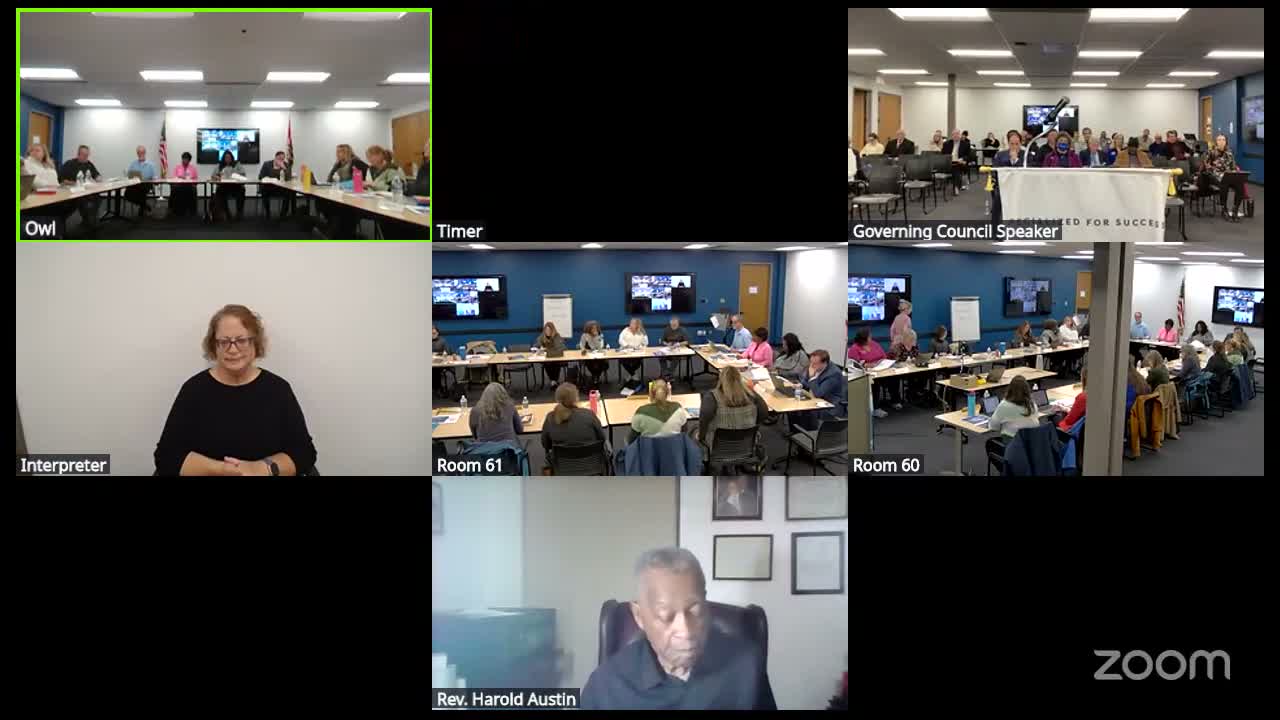
PAC leadership presented a governance‑focused update and a set of operational recommendations to the SSD governing council on March 2.
The presenter said PAC’s statutory intent is to operate as an independent governance consultation body that provides parent‑to‑parent communication and early warning on systemic trends. “PAC is not a risk to the SSD. It’s an asset,” the presenter said, urging clearer structure and better communication so every family served by SSD knows who their PAC representative is and how to engage.
Context: council materials and the presenter described gaps in representation — they said many partner districts lack PAC representatives — and proposed elections and a communication plan to be rolled out in May and a more formal presentation in June with training and policy guidance for district representatives. The presenter noted eligibility requirements: to serve on the PAC executive leadership team or as a district representative, a person must be a parent or guardian of a student receiving SSD services, though members at large can include former students or parents of former students.
What was proposed: a unified PAC structure across partner districts with trained district representatives, clear escalation pathways, and scheduled public PAC meetings both in person and via Zoom; the presenter committed to returning in June with operational details including communication plans and training modules.
Next steps: PAC leadership will hold an informational meeting and election explanation session the following week and follow up with districts to publicize elections and recruit representatives; staff and council members offered to help share information in district communications.
Why it matters: PAC functions as a parent oversight and communication channel that the presenters said can reduce escalation and misinformation if it operates with statutory independence and reliable outreach to families.
The presenter said PAC’s statutory intent is to operate as an independent governance consultation body that provides parent‑to‑parent communication and early warning on systemic trends. “PAC is not a risk to the SSD. It’s an asset,” the presenter said, urging clearer structure and better communication so every family served by SSD knows who their PAC representative is and how to engage.
Context: council materials and the presenter described gaps in representation — they said many partner districts lack PAC representatives — and proposed elections and a communication plan to be rolled out in May and a more formal presentation in June with training and policy guidance for district representatives. The presenter noted eligibility requirements: to serve on the PAC executive leadership team or as a district representative, a person must be a parent or guardian of a student receiving SSD services, though members at large can include former students or parents of former students.
What was proposed: a unified PAC structure across partner districts with trained district representatives, clear escalation pathways, and scheduled public PAC meetings both in person and via Zoom; the presenter committed to returning in June with operational details including communication plans and training modules.
Next steps: PAC leadership will hold an informational meeting and election explanation session the following week and follow up with districts to publicize elections and recruit representatives; staff and council members offered to help share information in district communications.
Why it matters: PAC functions as a parent oversight and communication channel that the presenters said can reduce escalation and misinformation if it operates with statutory independence and reliable outreach to families.
Don't Miss a Word: See the Full Meeting!
Go beyond summaries. Unlock every video, transcript, and key insight with a Founder Membership.
✓
Get instant access to full meeting videos
✓
Search and clip any phrase from complete transcripts
✓
Receive AI-powered summaries & custom alerts
✓
Enjoy lifetime, unrestricted access to government data
30-day money-back guarantee
