Committee advances bill to require senior-officer consult before declining toxicology in fatal crashes
March 02, 2026 | 2026 Utah Legislature, Utah Legislature, Utah Legislative Branch, Utah
This article was created by AI summarizing key points discussed. AI makes mistakes, so for full details and context, please refer to the video of the full meeting. Please report any errors so we can fix them. Report an error »
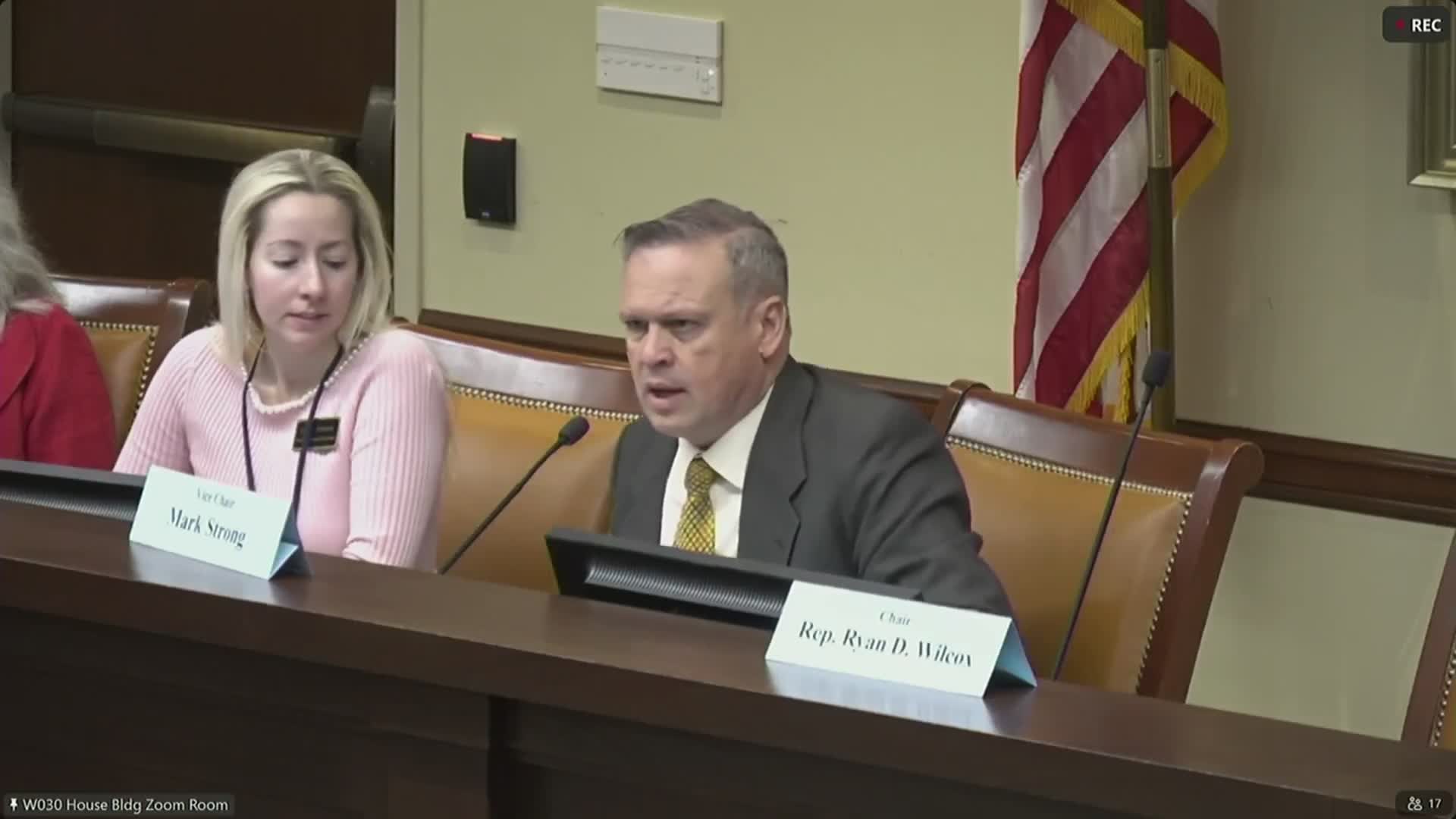
Senators and witnesses told the committee SB 226 is aimed at improving investigations of fatal motor-vehicle crashes by adding a required consult with a senior officer when an on-scene officer believes additional testing is not reasonable.
A sponsor described a tragic constituent case in Mountain Green in which a driver died after a head-on collision and "toxicology testing was not conducted." The sponsor said the bill—now in a second substitute—would require on-scene officers to consult a senior officer before declining testing that could lead to a warrant, so a second viewpoint informs the probable-cause judgment.
Why it matters: Supporters said the change strikes a balance between protecting Fourth Amendment rights and ensuring thorough investigations that could affect charging decisions and families’ closure. A victim advocate reading a family statement said, "The lack of toxicology screening will forever deprive me of a piece of knowing that every possible factor was examined and considered." The statement urged lawmakers to pass the change so families get fuller investigations.
Prosecutors and DPS weighed in: Carl Holland, executive director of the Statewide Association of Prosecutors, said the group "wholeheartedly support[s]" the bill as a balanced approach that highlights training and second opinions. Beau Mason of the Department of Public Safety said the second substitute protects constitutional limits while improving investigative verification with a senior officer.
Action taken: The committee adopted the second substitute and then voted to pass SB 226 (second substitute) out favorably on a voice vote.
What’s next: The bill will go to the floor. Supporters said the measure is intended to encourage consistent investigative practice and reduce instances where potentially relevant testing is not completed.
A sponsor described a tragic constituent case in Mountain Green in which a driver died after a head-on collision and "toxicology testing was not conducted." The sponsor said the bill—now in a second substitute—would require on-scene officers to consult a senior officer before declining testing that could lead to a warrant, so a second viewpoint informs the probable-cause judgment.
Why it matters: Supporters said the change strikes a balance between protecting Fourth Amendment rights and ensuring thorough investigations that could affect charging decisions and families’ closure. A victim advocate reading a family statement said, "The lack of toxicology screening will forever deprive me of a piece of knowing that every possible factor was examined and considered." The statement urged lawmakers to pass the change so families get fuller investigations.
Prosecutors and DPS weighed in: Carl Holland, executive director of the Statewide Association of Prosecutors, said the group "wholeheartedly support[s]" the bill as a balanced approach that highlights training and second opinions. Beau Mason of the Department of Public Safety said the second substitute protects constitutional limits while improving investigative verification with a senior officer.
Action taken: The committee adopted the second substitute and then voted to pass SB 226 (second substitute) out favorably on a voice vote.
What’s next: The bill will go to the floor. Supporters said the measure is intended to encourage consistent investigative practice and reduce instances where potentially relevant testing is not completed.
Don't Miss a Word: See the Full Meeting!
Go beyond summaries. Unlock every video, transcript, and key insight with a Founder Membership.
✓
Get instant access to full meeting videos
✓
Search and clip any phrase from complete transcripts
✓
Receive AI-powered summaries & custom alerts
✓
Enjoy lifetime, unrestricted access to government data
30-day money-back guarantee
