Omnibus transportation bill clears committee-substitute process amid protests from Salt Lake City and tow operators
March 02, 2026 | 2026 Utah Legislature, Utah Legislature, Utah Legislative Branch, Utah
This article was created by AI summarizing key points discussed. AI makes mistakes, so for full details and context, please refer to the video of the full meeting. Please report any errors so we can fix them. Report an error »
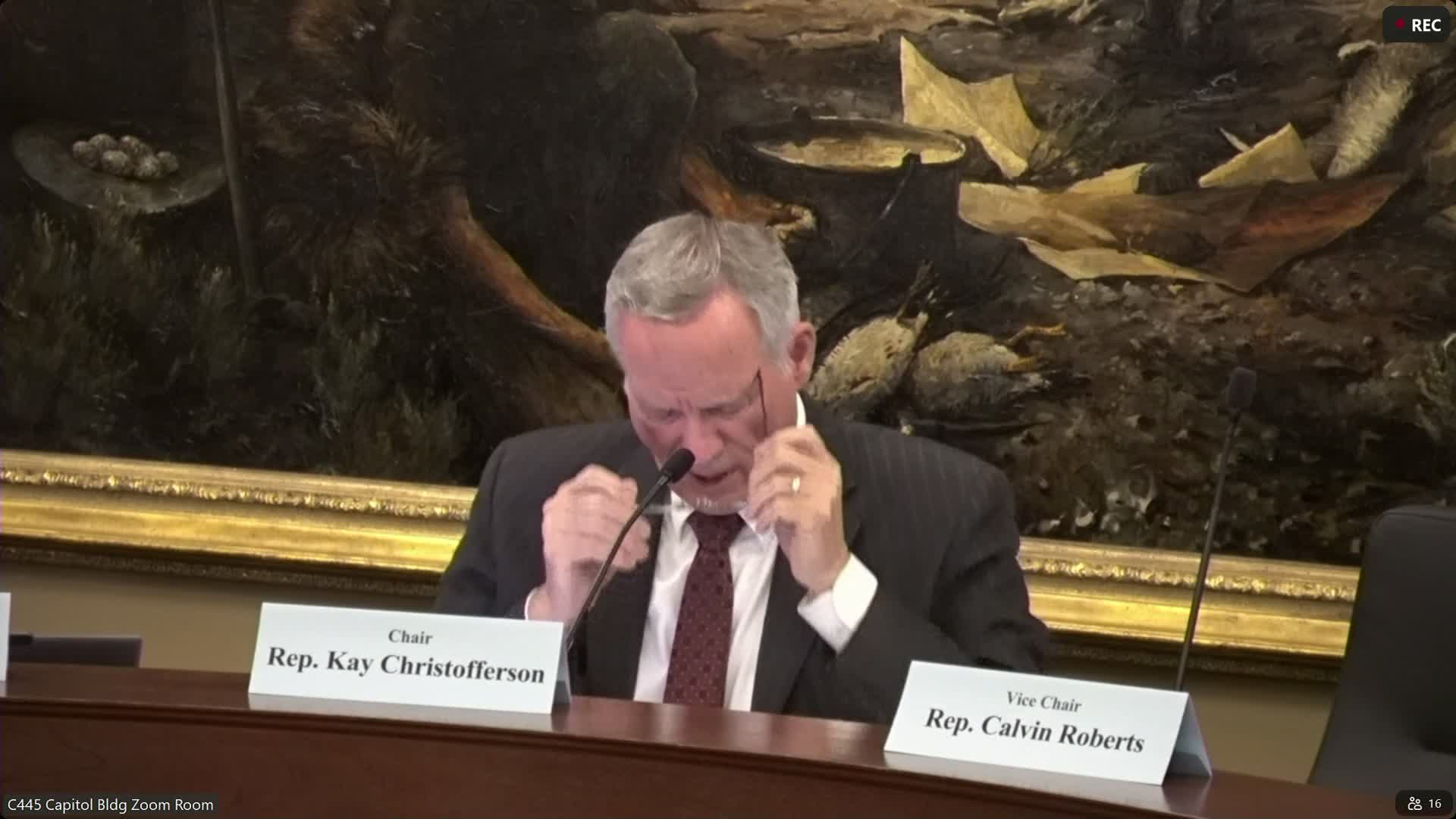
Senator Harper presented Senate Bill 242 as an omnibus transportation cleanup measure containing a range of changes: local uses of option sales tax for transit, increased bonding authority to backstop federal funding, clarifications on rail-fund uses, a sales-tax exemption for construction materials on major transit capital projects, temporary parking allowances for buses, and an interlocal coordination framework between Salt Lake City and UDOT.
Harper said sub 3 incorporates floor amendments and stakeholder input. On towing, the substitute adds language about third-party tow-dispatch platforms and requires protections against entering personally identifiable information. "This goes through and says that they shall not" enter personally identifiable information into the database, Harper said, and the bill includes deletion requirements if such data are inadvertently collected.
Committee members and many public commenters pressed the sponsor on two issues in particular: (1) Section 29 and related language that commenters said would limit Salt Lake City's authority to implement traffic-calming measures on non-highway streets, and (2) a provision that could require tow operators to enter dispatch data into a third-party database. Salt Lake City District 3 Representative Chris Wharton and several residents and cycling advocates — including Dave Iltis, Kyle Holland, Julian Jerkois, Soren Simonson, Annie Dayton and Ryan Hurst — argued the bill could undermine local traffic-calming, pedestrian and bicycle-safety efforts. "Traffic calming is by far the best way to ensure safer streets for all and DOT zone evidence underscores this," said Eric Ringer (BYU) during remote testimony.
Several tow-industry witnesses urged removing the requirement to enter data into a third-party database, expressing concerns the vendor's terms could allow selling or otherwise misusing data. Brett Reeder, a tow company owner, described duplication of an existing state-run database and said the specific vendor contract language raised privacy questions. By contrast, Colonel Greg Hawley of the highway patrol said the back-end data and current vendor contract help speed response times and assist in resolving billing disputes; he said that existing contracts prohibit the sale of information and that administrative remedies could address vendor misuse.
The sponsor said he had worked extensively with stakeholders, incorporated many negotiated changes into the third substitute, and was open to adjusting drafting words such as "may" to "shall" for clarity. The committee adopted the third substitute during the hearing, with the sponsor saying it reflects updated agreements with Salt Lake City and towing stakeholders. Later in the transcript a clerk-recorded roll-call showed a 4–4 tally on a motion; the chair then accepted another motion and adjourned the committee without additional action recorded in the transcript.
Key unresolved points from the hearing include whether the bill's language unduly limits Salt Lake City's traffic-calming authority and whether the towing provision needs stronger statutory restrictions or auditing and penalty mechanisms to prevent vendors from sharing personal data. The sponsor said he would continue to work on drafting details and auditing options with stakeholders.
Harper said sub 3 incorporates floor amendments and stakeholder input. On towing, the substitute adds language about third-party tow-dispatch platforms and requires protections against entering personally identifiable information. "This goes through and says that they shall not" enter personally identifiable information into the database, Harper said, and the bill includes deletion requirements if such data are inadvertently collected.
Committee members and many public commenters pressed the sponsor on two issues in particular: (1) Section 29 and related language that commenters said would limit Salt Lake City's authority to implement traffic-calming measures on non-highway streets, and (2) a provision that could require tow operators to enter dispatch data into a third-party database. Salt Lake City District 3 Representative Chris Wharton and several residents and cycling advocates — including Dave Iltis, Kyle Holland, Julian Jerkois, Soren Simonson, Annie Dayton and Ryan Hurst — argued the bill could undermine local traffic-calming, pedestrian and bicycle-safety efforts. "Traffic calming is by far the best way to ensure safer streets for all and DOT zone evidence underscores this," said Eric Ringer (BYU) during remote testimony.
Several tow-industry witnesses urged removing the requirement to enter data into a third-party database, expressing concerns the vendor's terms could allow selling or otherwise misusing data. Brett Reeder, a tow company owner, described duplication of an existing state-run database and said the specific vendor contract language raised privacy questions. By contrast, Colonel Greg Hawley of the highway patrol said the back-end data and current vendor contract help speed response times and assist in resolving billing disputes; he said that existing contracts prohibit the sale of information and that administrative remedies could address vendor misuse.
The sponsor said he had worked extensively with stakeholders, incorporated many negotiated changes into the third substitute, and was open to adjusting drafting words such as "may" to "shall" for clarity. The committee adopted the third substitute during the hearing, with the sponsor saying it reflects updated agreements with Salt Lake City and towing stakeholders. Later in the transcript a clerk-recorded roll-call showed a 4–4 tally on a motion; the chair then accepted another motion and adjourned the committee without additional action recorded in the transcript.
Key unresolved points from the hearing include whether the bill's language unduly limits Salt Lake City's traffic-calming authority and whether the towing provision needs stronger statutory restrictions or auditing and penalty mechanisms to prevent vendors from sharing personal data. The sponsor said he would continue to work on drafting details and auditing options with stakeholders.
Don't Miss a Word: See the Full Meeting!
Go beyond summaries. Unlock every video, transcript, and key insight with a Founder Membership.
✓
Get instant access to full meeting videos
✓
Search and clip any phrase from complete transcripts
✓
Receive AI-powered summaries & custom alerts
✓
Enjoy lifetime, unrestricted access to government data
30-day money-back guarantee
