Proposal to standardize Utah tax credits fails in House vote
March 02, 2026 | 2026 Utah Legislature, Utah Legislature, Utah Legislative Branch, Utah
This article was created by AI summarizing key points discussed. AI makes mistakes, so for full details and context, please refer to the video of the full meeting. Please report any errors so we can fix them. Report an error »
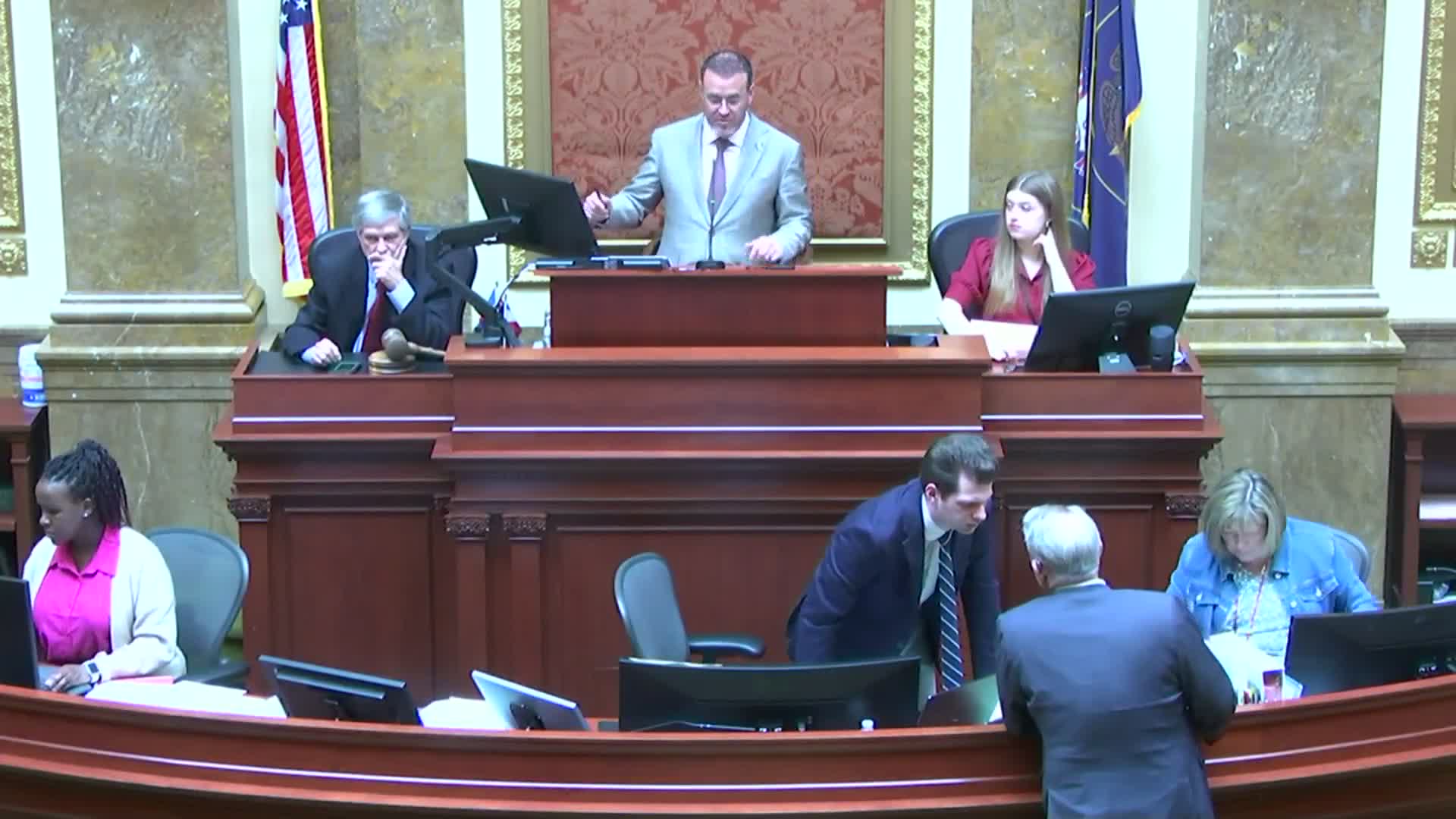
A proposal to make certain Utah tax credits ‘flat’ regardless of marital status or filing status failed on the House floor on March 2. The fifth substitute to HB 2 10, presented by Representative Melissa Ballard, was intended to standardize the taxpayer, retirement and child tax credits so recipients would receive the same credit year to year regardless of relationship status; the substitute failed on final passage, 31–42.
Representative Ballard told the House the substitute had three main elements including eliminating a Social Security portion that existed in previous substitutes and limiting increments to $30. He argued the change would provide predictability for taxpayers: “this is really great policy for knowing what’s in our wallet for our flat income tax… and now consistent tax credits regardless of what our relationships are,” he said.
Supporters argued a flat structure would reduce confusion and better target indicators of poverty. Representative Boxier said the change would signal support for stable families and adjust perceived inequities in filing status outcomes. Opponents urged more study and cautioned about unintended consequences: a member who has served with the Uniform Law Commission warned the change could make Utah nonconforming in important multistate frameworks and urged additional interim work before adopting changes that could affect commerce and inter‑state uniformity.
After summations, the House called the vote. The fifth substitute failed to garner a majority, 31 yes to 42 no. The Speaker instructed staff to send records to enrolling or staff for filing as appropriate.
Representative Ballard told the House the substitute had three main elements including eliminating a Social Security portion that existed in previous substitutes and limiting increments to $30. He argued the change would provide predictability for taxpayers: “this is really great policy for knowing what’s in our wallet for our flat income tax… and now consistent tax credits regardless of what our relationships are,” he said.
Supporters argued a flat structure would reduce confusion and better target indicators of poverty. Representative Boxier said the change would signal support for stable families and adjust perceived inequities in filing status outcomes. Opponents urged more study and cautioned about unintended consequences: a member who has served with the Uniform Law Commission warned the change could make Utah nonconforming in important multistate frameworks and urged additional interim work before adopting changes that could affect commerce and inter‑state uniformity.
After summations, the House called the vote. The fifth substitute failed to garner a majority, 31 yes to 42 no. The Speaker instructed staff to send records to enrolling or staff for filing as appropriate.
Don't Miss a Word: See the Full Meeting!
Go beyond summaries. Unlock every video, transcript, and key insight with a Founder Membership.
✓
Get instant access to full meeting videos
✓
Search and clip any phrase from complete transcripts
✓
Receive AI-powered summaries & custom alerts
✓
Enjoy lifetime, unrestricted access to government data
30-day money-back guarantee
