Committee holds HTRZ amendment bill after questions on base‑year, triggers and convention‑center capture
March 02, 2026 | 2026 Utah Legislature, Utah Legislature, Utah Legislative Branch, Utah
This article was created by AI summarizing key points discussed. AI makes mistakes, so for full details and context, please refer to the video of the full meeting. Please report any errors so we can fix them. Report an error »
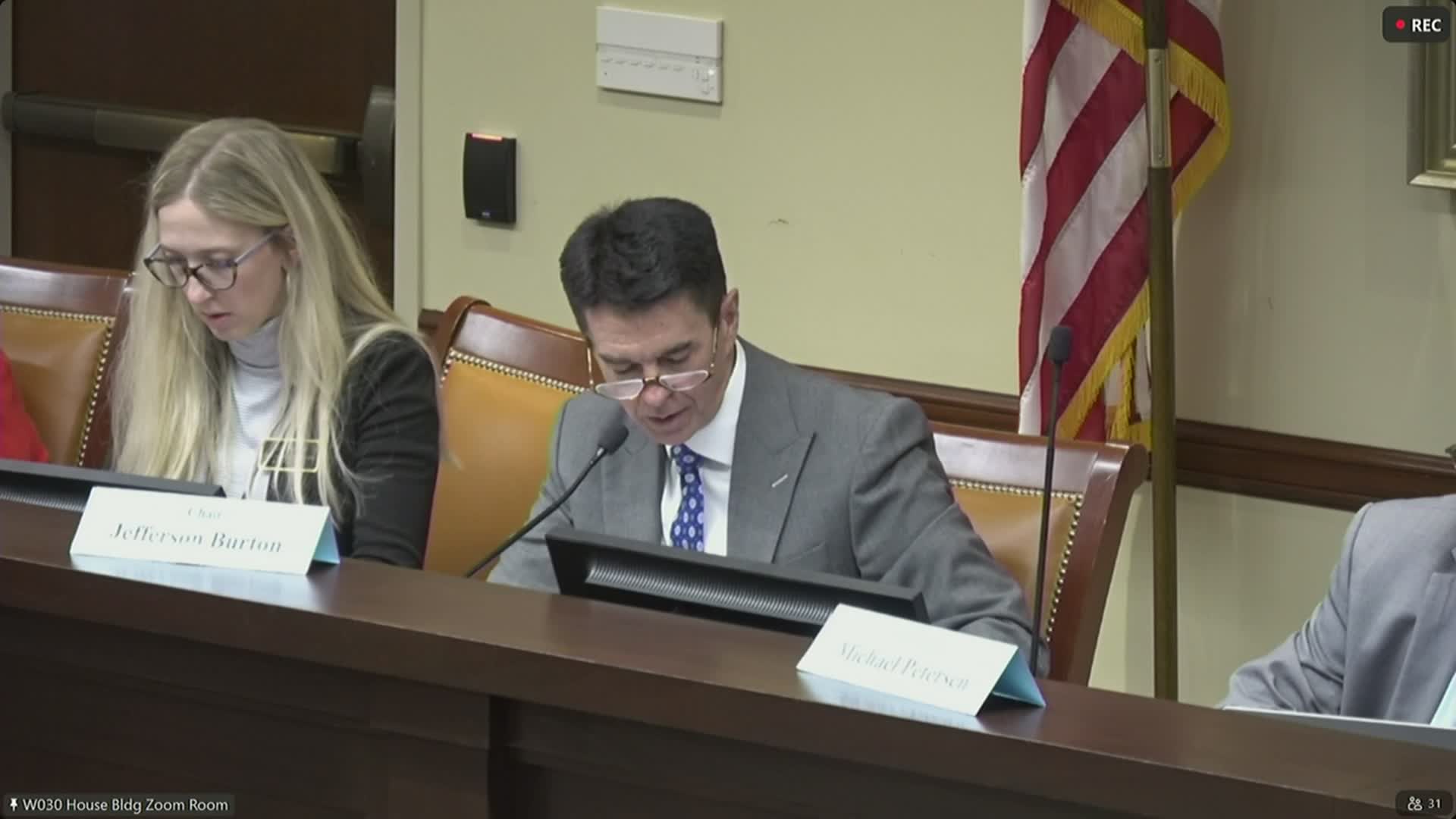
Senator Harper presented Senate Bill 221 on March 3, describing it as a clarifying bill for Housing and Transit investment zones that standardizes definitions (including "extraterritorial affordable housing"), sets a base‑year trigger rule and limits the number of times a project area may trigger tax increment capture to five. The sponsor said most of the bill is intended to clean up operational details and enhance transparency, not expand authority.
Committee members asked pointed questions about how changing the base year and increasing triggers from three to five might change developer incentives and divert revenue from other taxing entities. Senator Harper said the measure is intended to rein in open‑ended triggers and prevent overlapping project areas; he also pointed to companion legislation (SB206, SB228 and HB507) intended to centralize data and improve transparency.
Carson Eilers of the Utah League of Cities and Towns told the committee the bill is part of a suite of tax‑increment financing measures being advanced this year and provided data on planned units and affordable units in existing HTRZs. He said the legislation aims to improve process and information for municipalities and taxing entities.
Representative Malloy moved to hold SB221, citing continued questions from members and pushback from constituents on HTRZs. The motion to hold carried following a committee roll‑call, and the bill was set aside for further work with the sponsor and stakeholders.
What happens next: Sponsor and staff will continue stakeholder conversations; committee members asked for clearer fiscal impacts and confirmations that the bill will not enable unintended extensions or overlaps of tax‑increment capture.
Committee members asked pointed questions about how changing the base year and increasing triggers from three to five might change developer incentives and divert revenue from other taxing entities. Senator Harper said the measure is intended to rein in open‑ended triggers and prevent overlapping project areas; he also pointed to companion legislation (SB206, SB228 and HB507) intended to centralize data and improve transparency.
Carson Eilers of the Utah League of Cities and Towns told the committee the bill is part of a suite of tax‑increment financing measures being advanced this year and provided data on planned units and affordable units in existing HTRZs. He said the legislation aims to improve process and information for municipalities and taxing entities.
Representative Malloy moved to hold SB221, citing continued questions from members and pushback from constituents on HTRZs. The motion to hold carried following a committee roll‑call, and the bill was set aside for further work with the sponsor and stakeholders.
What happens next: Sponsor and staff will continue stakeholder conversations; committee members asked for clearer fiscal impacts and confirmations that the bill will not enable unintended extensions or overlaps of tax‑increment capture.
Don't Miss a Word: See the Full Meeting!
Go beyond summaries. Unlock every video, transcript, and key insight with a Founder Membership.
✓
Get instant access to full meeting videos
✓
Search and clip any phrase from complete transcripts
✓
Receive AI-powered summaries & custom alerts
✓
Enjoy lifetime, unrestricted access to government data
30-day money-back guarantee
