Students say VIP/CPSP gave them college credit, classroom options and cost savings
November 16, 2024 | Calcasieu Parish, School Boards, Louisiana
This article was created by AI summarizing key points discussed. AI makes mistakes, so for full details and context, please refer to the video of the full meeting. Please report any errors so we can fix them. Report an error »
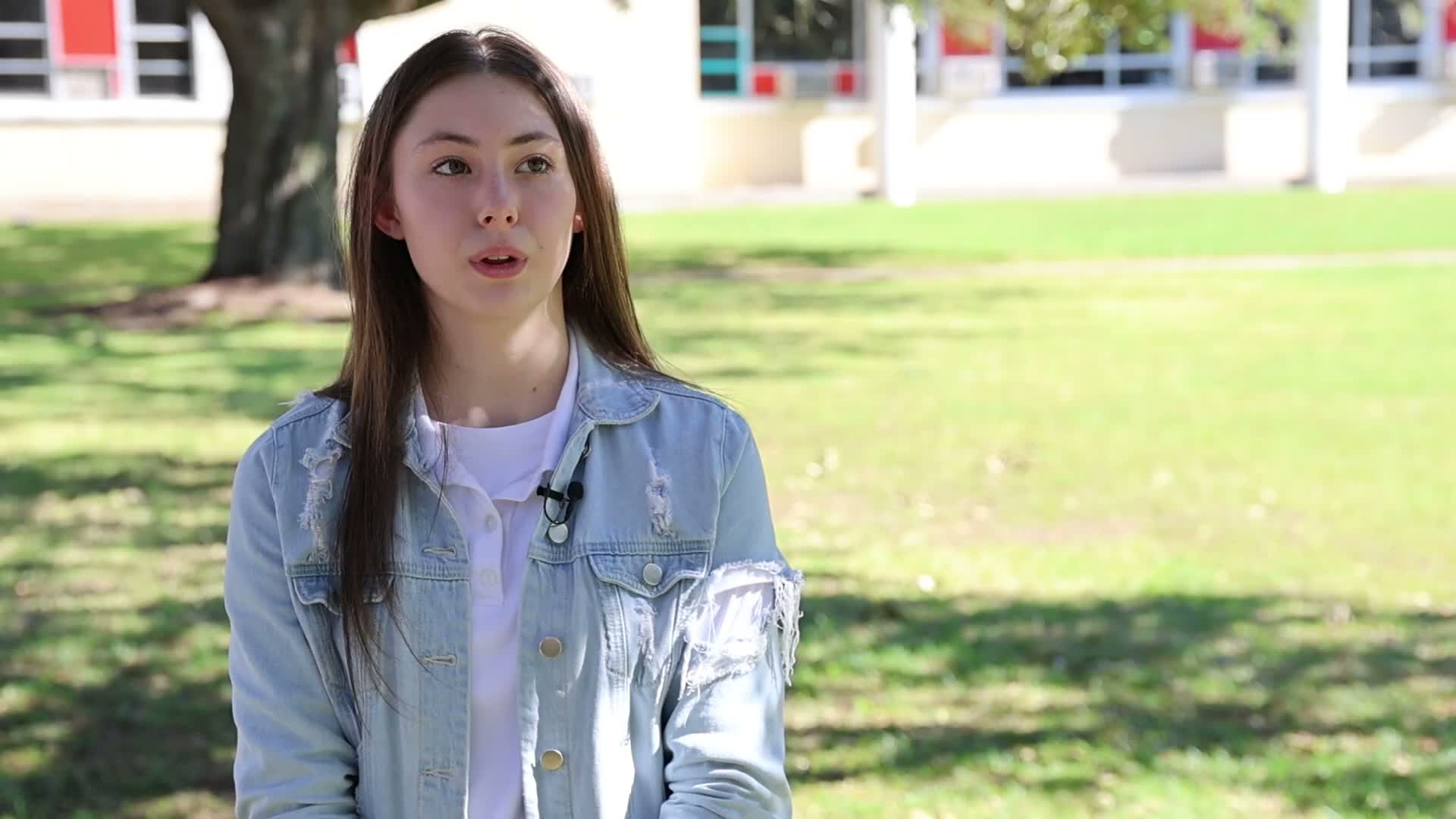
Several students who spoke during the public-comment portion described a school-to-college pathway they said expanded course access, accelerated college progress and cut costs.
A student (S1) said participation in organizations such as STEM, student council and FFA helped build leadership skills and prepared them for work and their part-time position at McNeese: “I’ve had the opportunity to be part of different organizations like, STEM, student council, FFA, and all of that has helped me to build, the leadership qualities that I now possess as well as, different qualities that have allowed me to excel, at my job and at McNeese where I am part time.”
Another student (S2) described practical benefits for students in Vinton, saying the town “doesn’t have enough teachers for every single class” and called the VIP program “really neat” because “you could take the classes that you wanna take without having to go to an entirely different school.”
A third student (S3) said Advanced Placement courses and extracurriculars such as sports and FFA are creating study habits and college readiness: “I think through all the AP opportunities that I’m getting and all the, organizations through sports and FFA and ag and all that kind of stuff. I think that it really is, gonna push me to work my hardest and give me good study habits for whenever I’m getting into a college experience.”
A student (S4) described concrete academic progress and cost savings, saying they were “1 class away from half an associate’s degree,” that the program “saved a ton of money, and it saved a lot of time,” and that they expect to enter college as a sophomore. A separate student (S5) said technology coursework was useful and reported having taken “60 hours of college credit,” adding that “CPSP has set me up for success in the future.”
Speakers framed their remarks as personal experience and program benefits; the transcript contains no formal motions, votes or policy decisions tied to these comments. The speakers referenced local school access (Vinton), dual-enrollment or dual-credit opportunities (described as AP and college credit), and cost/time savings for postsecondary enrollment.
The public commenters did not cite specific policy changes, funding amounts or statutory citations during their remarks. No formal action or board decision is recorded in the transcript excerpt provided. The remarks signal student support for maintaining or expanding pathways that allow high-school students to earn college credit and access classes otherwise unavailable locally.
A student (S1) said participation in organizations such as STEM, student council and FFA helped build leadership skills and prepared them for work and their part-time position at McNeese: “I’ve had the opportunity to be part of different organizations like, STEM, student council, FFA, and all of that has helped me to build, the leadership qualities that I now possess as well as, different qualities that have allowed me to excel, at my job and at McNeese where I am part time.”
Another student (S2) described practical benefits for students in Vinton, saying the town “doesn’t have enough teachers for every single class” and called the VIP program “really neat” because “you could take the classes that you wanna take without having to go to an entirely different school.”
A third student (S3) said Advanced Placement courses and extracurriculars such as sports and FFA are creating study habits and college readiness: “I think through all the AP opportunities that I’m getting and all the, organizations through sports and FFA and ag and all that kind of stuff. I think that it really is, gonna push me to work my hardest and give me good study habits for whenever I’m getting into a college experience.”
A student (S4) described concrete academic progress and cost savings, saying they were “1 class away from half an associate’s degree,” that the program “saved a ton of money, and it saved a lot of time,” and that they expect to enter college as a sophomore. A separate student (S5) said technology coursework was useful and reported having taken “60 hours of college credit,” adding that “CPSP has set me up for success in the future.”
Speakers framed their remarks as personal experience and program benefits; the transcript contains no formal motions, votes or policy decisions tied to these comments. The speakers referenced local school access (Vinton), dual-enrollment or dual-credit opportunities (described as AP and college credit), and cost/time savings for postsecondary enrollment.
The public commenters did not cite specific policy changes, funding amounts or statutory citations during their remarks. No formal action or board decision is recorded in the transcript excerpt provided. The remarks signal student support for maintaining or expanding pathways that allow high-school students to earn college credit and access classes otherwise unavailable locally.
View the Full Meeting & All Its Details
This article offers just a summary. Unlock complete video, transcripts, and insights as a Founder Member.
✓
Watch full, unedited meeting videos
✓
Search every word spoken in unlimited transcripts
✓
AI summaries & real-time alerts (all government levels)
✓
Permanent access to expanding government content
30-day money-back guarantee
