Leader Berman moves two lists to special order calendar for March 5–6; motion adopted without objection
March 03, 2026 | 2026 Legislature FL, Florida
This article was created by AI summarizing key points discussed. AI makes mistakes, so for full details and context, please refer to the video of the full meeting. Please report any errors so we can fix them. Report an error »
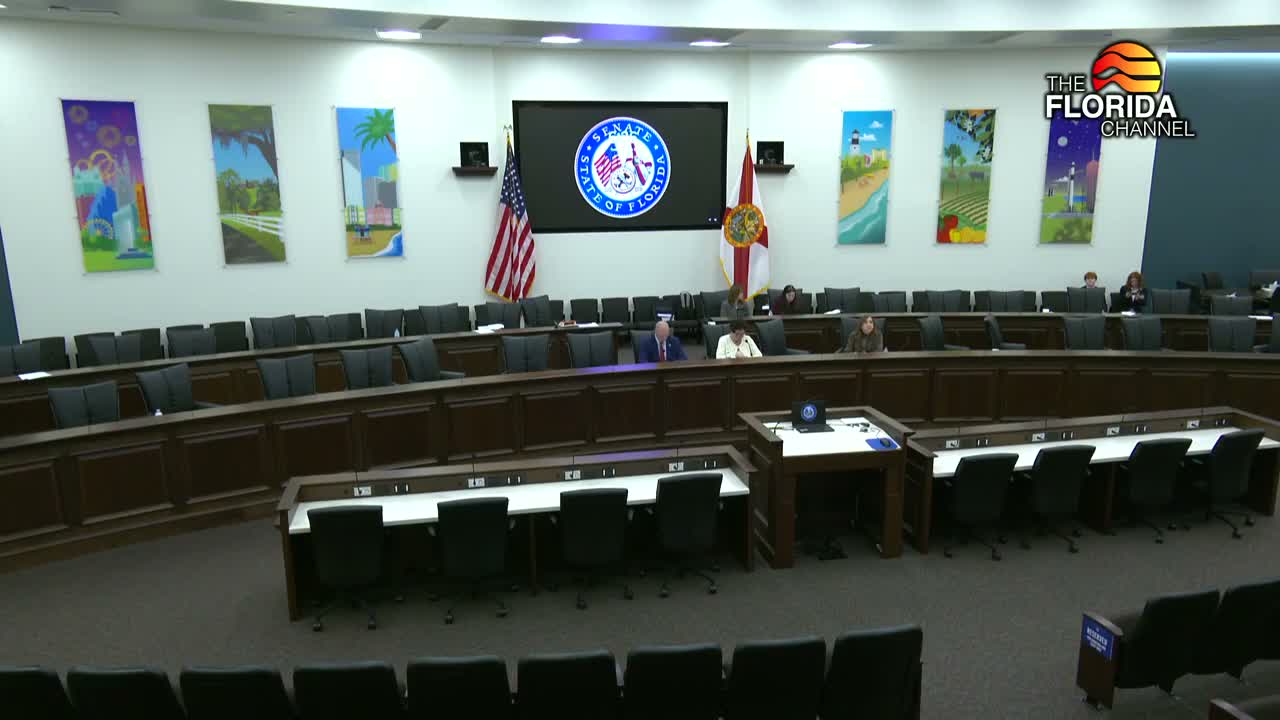
At a short meeting of the special order calendar group, the clerk read a scheduling motion from Leader Berman to place two lists of bills on upcoming special order calendars.
The clerk read the motion verbatim: "Leader Berman moves the first list of bills to be placed on the special order calendar for Friday, 03/06/2026, and that the second list be added to the special order calendar for Thursday, 03/05/2026." The clerk then asked if there were questions and whether there was any objection.
With no objection voiced, the clerk announced, "Without objection, show the motion adopted," formally putting the two lists on the special order calendars for those dates. Later in the session the clerk noted that Leader Berman moved to adjourn; the clerk closed the meeting with, "Without objection, the meeting is adjourned."
Why it matters: placing bills on a special order calendar schedules them for prioritized consideration on the specified dates, determining when members will debate and vote on those measures. The brief meeting did not record debate on the substance of any bill, nor did it show any formal roll-call votes on the motions; both procedural actions were carried by general consent.
What’s next: the two lists of bills are scheduled to appear on the special order calendar for Thursday, March 5, 2026, and Friday, March 6, 2026. No further decisions or hearings were recorded at this meeting; the group adjourned without objection.
The clerk read the motion verbatim: "Leader Berman moves the first list of bills to be placed on the special order calendar for Friday, 03/06/2026, and that the second list be added to the special order calendar for Thursday, 03/05/2026." The clerk then asked if there were questions and whether there was any objection.
With no objection voiced, the clerk announced, "Without objection, show the motion adopted," formally putting the two lists on the special order calendars for those dates. Later in the session the clerk noted that Leader Berman moved to adjourn; the clerk closed the meeting with, "Without objection, the meeting is adjourned."
Why it matters: placing bills on a special order calendar schedules them for prioritized consideration on the specified dates, determining when members will debate and vote on those measures. The brief meeting did not record debate on the substance of any bill, nor did it show any formal roll-call votes on the motions; both procedural actions were carried by general consent.
What’s next: the two lists of bills are scheduled to appear on the special order calendar for Thursday, March 5, 2026, and Friday, March 6, 2026. No further decisions or hearings were recorded at this meeting; the group adjourned without objection.
View the Full Meeting & All Its Details
This article offers just a summary. Unlock complete video, transcripts, and insights as a Founder Member.
✓
Watch full, unedited meeting videos
✓
Search every word spoken in unlimited transcripts
✓
AI summaries & real-time alerts (all government levels)
✓
Permanent access to expanding government content
30-day money-back guarantee
