Alexander County health and human‑services reports: CHA flags mental‑health and obesity; DSS warns HR 1 could raise caseloads
March 03, 2026 | Alexander County, North Carolina
This article was created by AI summarizing key points discussed. AI makes mistakes, so for full details and context, please refer to the video of the full meeting. Please report any errors so we can fix them. Report an error »
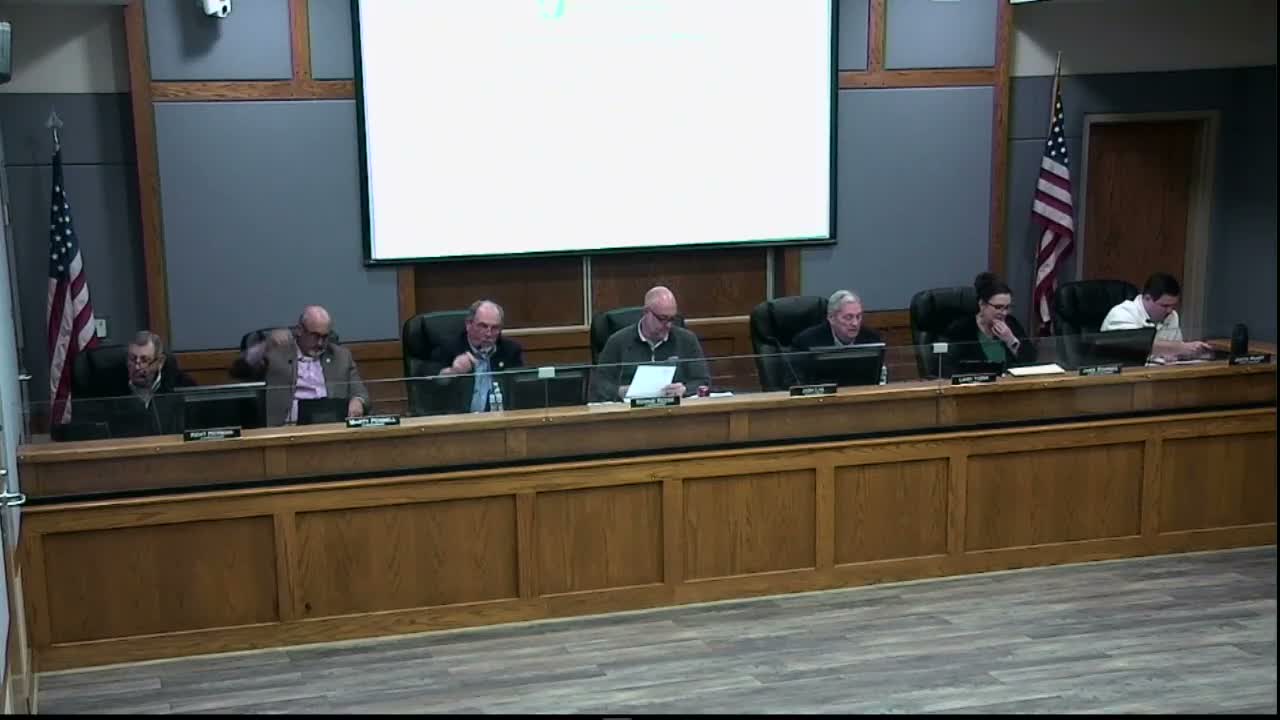
The Alexander County Public Health Department and Department of Social Services delivered reports to the county commissioners that outlined population health priorities, program changes and operational pressures.
Public Health: Billy Walker, health director, presented organizational updates, fee language changes for board approval and accreditation timeline changes. Health staff presented the newly completed Community Health Assessment (CHA), a roughly 1½‑year project with 1,101 viable survey responses (about 2.5% of the population) that the department says reflects the county’s demographics. The CHA identified two top priorities for the next cycle: Healthy Living (physical activity and nutrition) and Mental Health. The health department also reported that overdose responses peaked in 2023 and have declined since, but that emergency‑department visits related to suicide or self‑harm remain statistically higher in Alexander County than in peer counties.
“The community health assessment priorities are healthy living and mental health,” a health presenter said, and staff indicated the CHA and draft strategic plan have been submitted to the state and are available online at alexanderhealth.org.
DSS: Carrie Gerald, director of DSS, reported an 11% vacancy rate, recent hires in CPS and economic services, and 47 children currently in custody with six licensed foster homes in the county (additional foster licenses pending). She said the department has reunified children and completed adoptions but still faces placements out of county—often at higher cost—because therapeutic foster homes are not available locally. Gerald flagged policy proposals and rules coming from H.R. 1 that she said will likely increase caseloads: reductions in SNAP reimbursement ratios (county responsibilities rising under proposed changes), new work requirements for certain able‑bodied adults, and a change to twice‑yearly eligibility reviews for some programs. “This will most likely cause a lot of new applications, therefore, causing caseloads to rise,” Gerald said; she also warned errors in benefits administration can trigger state or federal consequences, and the department’s current error rate is under the 6% threshold.
Senior Center: Vicky Martin, senior center assistant director, reported growing participation across branches, new classes and events, and an increased Senior Medicare Patrol (SMP) grant ($16,800). Martin gave dates for upcoming activities, a May 17 senior celebration and other services that the center provides to residents.
Board action: The commissioners approved fee‑verbiage changes the health department requested (to avoid repeated small fee approvals) and thanked staff for the CHA and program updates. Commissioners asked for additional numerical breakdowns (for example, raw counts underlying per‑100,000 rates) and asked staff to provide follow‑up materials requested during the meeting.
Public Health: Billy Walker, health director, presented organizational updates, fee language changes for board approval and accreditation timeline changes. Health staff presented the newly completed Community Health Assessment (CHA), a roughly 1½‑year project with 1,101 viable survey responses (about 2.5% of the population) that the department says reflects the county’s demographics. The CHA identified two top priorities for the next cycle: Healthy Living (physical activity and nutrition) and Mental Health. The health department also reported that overdose responses peaked in 2023 and have declined since, but that emergency‑department visits related to suicide or self‑harm remain statistically higher in Alexander County than in peer counties.
“The community health assessment priorities are healthy living and mental health,” a health presenter said, and staff indicated the CHA and draft strategic plan have been submitted to the state and are available online at alexanderhealth.org.
DSS: Carrie Gerald, director of DSS, reported an 11% vacancy rate, recent hires in CPS and economic services, and 47 children currently in custody with six licensed foster homes in the county (additional foster licenses pending). She said the department has reunified children and completed adoptions but still faces placements out of county—often at higher cost—because therapeutic foster homes are not available locally. Gerald flagged policy proposals and rules coming from H.R. 1 that she said will likely increase caseloads: reductions in SNAP reimbursement ratios (county responsibilities rising under proposed changes), new work requirements for certain able‑bodied adults, and a change to twice‑yearly eligibility reviews for some programs. “This will most likely cause a lot of new applications, therefore, causing caseloads to rise,” Gerald said; she also warned errors in benefits administration can trigger state or federal consequences, and the department’s current error rate is under the 6% threshold.
Senior Center: Vicky Martin, senior center assistant director, reported growing participation across branches, new classes and events, and an increased Senior Medicare Patrol (SMP) grant ($16,800). Martin gave dates for upcoming activities, a May 17 senior celebration and other services that the center provides to residents.
Board action: The commissioners approved fee‑verbiage changes the health department requested (to avoid repeated small fee approvals) and thanked staff for the CHA and program updates. Commissioners asked for additional numerical breakdowns (for example, raw counts underlying per‑100,000 rates) and asked staff to provide follow‑up materials requested during the meeting.
Don't Miss a Word: See the Full Meeting!
Go beyond summaries. Unlock every video, transcript, and key insight with a Founder Membership.
✓
Get instant access to full meeting videos
✓
Search and clip any phrase from complete transcripts
✓
Receive AI-powered summaries & custom alerts
✓
Enjoy lifetime, unrestricted access to government data
30-day money-back guarantee
