District reports gains in reading and math growth, highlights targeted interventions for struggling students
March 03, 2026 | Conewago Valley SD, School Districts, Pennsylvania
This article was created by AI summarizing key points discussed. AI makes mistakes, so for full details and context, please refer to the video of the full meeting. Please report any errors so we can fix them. Report an error »
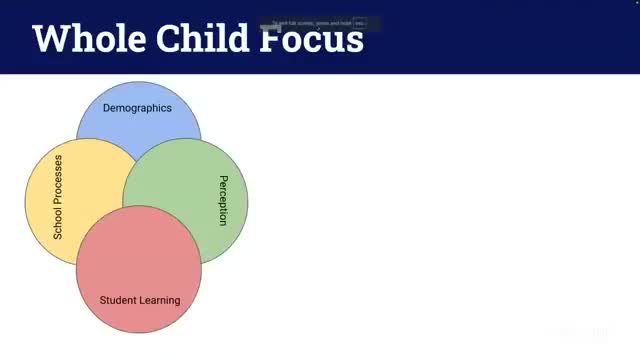
District staff presented a data-rich overview of student achievement and growth, focusing on English language arts and math, and explained how multiple measures are being used to target intervention and improve outcomes for economically disadvantaged students.
The presenter described the difference between achievement (proficiency on PSSA/Keystone tests) and growth (how much a same cohort gains year to year), and stressed the district's focus on the "whole child" across multiple indicators. For third-grade reading the district reported more than 50% of students reading on grade level; staff attributed part of some year-to-year fluctuations to the transition of tests to an online format in a first-administration year.
Administrators explained that growth metrics show a different picture than one-day achievement snapshots: in some grades students show strong growth even when the percentage meeting a proficiency threshold remains modest. The presentation also addressed an Algebra I Keystone dip that was largely the artifact of COVID waivers and reporting timing: district staff said the scores of students taking Algebra I in eighth grade were recorded later in district reporting cycles, which made some years appear anomalous.
Intervention results were highlighted: small-group targeted interventions and reading specialists were credited with progress for students far below benchmark, and staff presented a figure that in recent years up to 86% of targeted students cleared short-term intervention goals and a notable share exited to grade-level performance. Staff cited curriculum adoption and K-6 program changes (Eureka Math Squared for math and state-directed evidence-based reading program requirements) as structural steps to support sustained growth.
Board members asked about grade-level patterns (noting some grades show slower growth) and administrators acknowledged gaps in growth at grades 4-5 and explained work on differentiation and vertical-alignment to close those gaps.
The presentation closed with a request that the board support continued investments in specialists and aligned instructional resources to sustain intervention gains.
The presenter described the difference between achievement (proficiency on PSSA/Keystone tests) and growth (how much a same cohort gains year to year), and stressed the district's focus on the "whole child" across multiple indicators. For third-grade reading the district reported more than 50% of students reading on grade level; staff attributed part of some year-to-year fluctuations to the transition of tests to an online format in a first-administration year.
Administrators explained that growth metrics show a different picture than one-day achievement snapshots: in some grades students show strong growth even when the percentage meeting a proficiency threshold remains modest. The presentation also addressed an Algebra I Keystone dip that was largely the artifact of COVID waivers and reporting timing: district staff said the scores of students taking Algebra I in eighth grade were recorded later in district reporting cycles, which made some years appear anomalous.
Intervention results were highlighted: small-group targeted interventions and reading specialists were credited with progress for students far below benchmark, and staff presented a figure that in recent years up to 86% of targeted students cleared short-term intervention goals and a notable share exited to grade-level performance. Staff cited curriculum adoption and K-6 program changes (Eureka Math Squared for math and state-directed evidence-based reading program requirements) as structural steps to support sustained growth.
Board members asked about grade-level patterns (noting some grades show slower growth) and administrators acknowledged gaps in growth at grades 4-5 and explained work on differentiation and vertical-alignment to close those gaps.
The presentation closed with a request that the board support continued investments in specialists and aligned instructional resources to sustain intervention gains.
View the Full Meeting & All Its Details
This article offers just a summary. Unlock complete video, transcripts, and insights as a Founder Member.
✓
Watch full, unedited meeting videos
✓
Search every word spoken in unlimited transcripts
✓
AI summaries & real-time alerts (all government levels)
✓
Permanent access to expanding government content
30-day money-back guarantee
