Tenant seeks reversal or remand after housing court denied accommodation tied to MS flare-up
March 02, 2026 | Judicial - Appeals Court Oral Arguments, Judicial, Massachusetts
This article was created by AI summarizing key points discussed. AI makes mistakes, so for full details and context, please refer to the video of the full meeting. Please report any errors so we can fix them. Report an error »
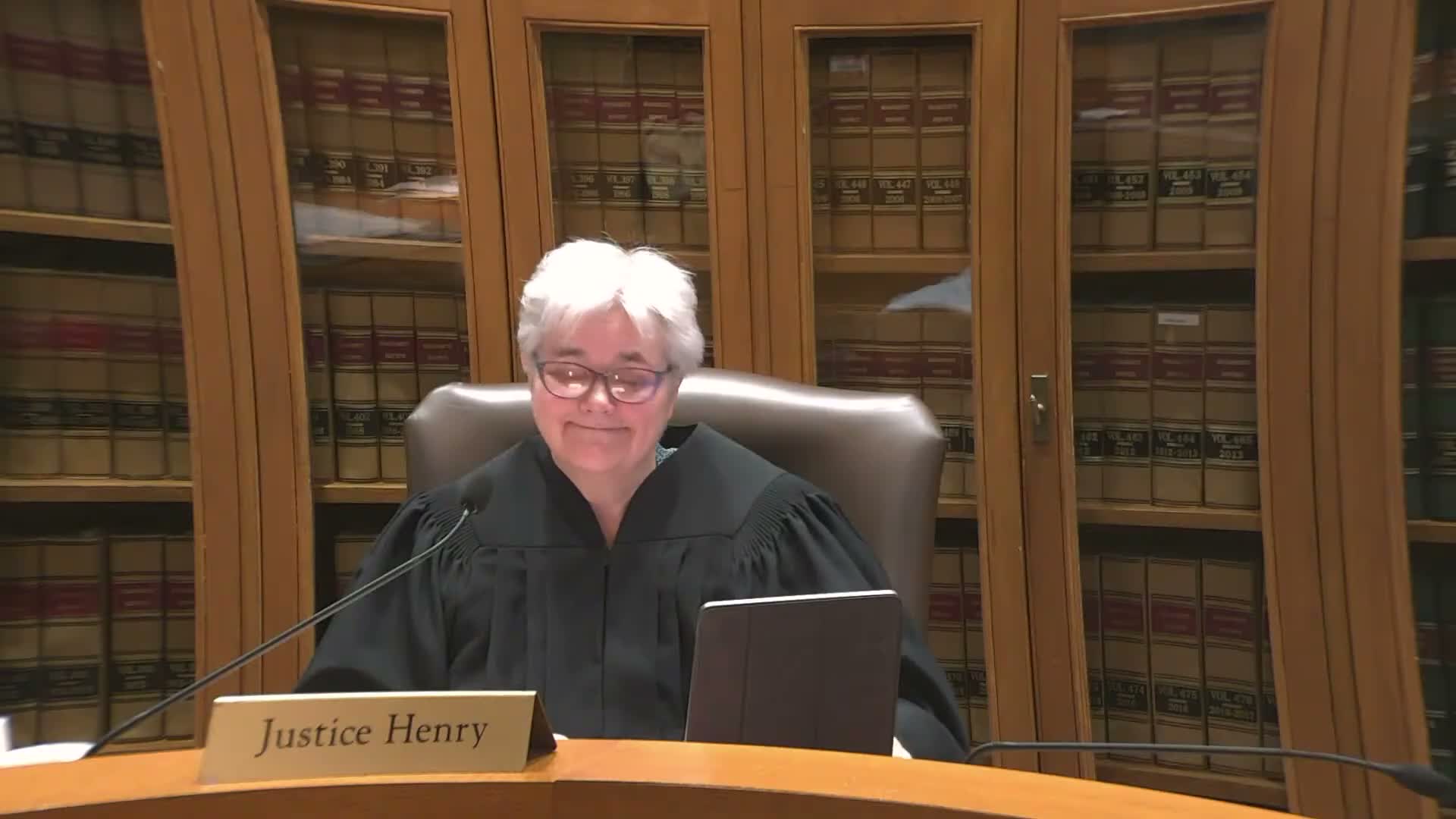
The final argument of the March 2 sitting, Lehi Grove LLC v. Elaine Laffin, turned on whether a housing court correctly denied a reasonable-accommodation defense to an eviction/possession motion and whether the 2021 mediated agreement (requiring a third-party intermediary for communications) foreclosed the tenant’s 2023 accommodation request.
Alex Van Dyke, representing Ms. Laffin, said that an acute 2023 exacerbation of multiple sclerosis produced emotional and cognitive effects that made it difficult or impossible for his client to use the third-party intermediary the parties had earlier negotiated. Van Dyke argued the e-mails she sent and a late HUD recertification were caused by her disability and that the housing court erred in denying accommodation without adequately accounting for the 2023 attack and its nexus to the conduct.
Counsel explored whether the earlier agreement could bar future reasonable-accommodation claims; Van Dyke said a mediated agreement does not waive statutory rights and that a later change in circumstances can justify a fresh accommodation. The bench pressed Van Dyke about incentives for landlords to enter negotiated agreements if tenants can later seek new accommodations, and whether repeated breaches would undermine the accommodation framework.
Caitlin Malone for Glengrove LLC (the landlord) defended the housing court’s approach under Bridgewater, saying the judge considered the evidence and concluded the agreement and the record-supported findings (no changed circumstances sufficient to overturn the housing-court disposition). Malone emphasized manager testimony about long, inflammatory emails that made it difficult to identify legitimate accommodation requests and pointed to potential HUD-subsidy and administrative consequences.
The panel questioned the parties on whether remand for factual findings was the appropriate remedy and whether the court could resolve the reasonableness question as a matter of law. The matter was submitted for decision and the sitting adjourned.
Alex Van Dyke, representing Ms. Laffin, said that an acute 2023 exacerbation of multiple sclerosis produced emotional and cognitive effects that made it difficult or impossible for his client to use the third-party intermediary the parties had earlier negotiated. Van Dyke argued the e-mails she sent and a late HUD recertification were caused by her disability and that the housing court erred in denying accommodation without adequately accounting for the 2023 attack and its nexus to the conduct.
Counsel explored whether the earlier agreement could bar future reasonable-accommodation claims; Van Dyke said a mediated agreement does not waive statutory rights and that a later change in circumstances can justify a fresh accommodation. The bench pressed Van Dyke about incentives for landlords to enter negotiated agreements if tenants can later seek new accommodations, and whether repeated breaches would undermine the accommodation framework.
Caitlin Malone for Glengrove LLC (the landlord) defended the housing court’s approach under Bridgewater, saying the judge considered the evidence and concluded the agreement and the record-supported findings (no changed circumstances sufficient to overturn the housing-court disposition). Malone emphasized manager testimony about long, inflammatory emails that made it difficult to identify legitimate accommodation requests and pointed to potential HUD-subsidy and administrative consequences.
The panel questioned the parties on whether remand for factual findings was the appropriate remedy and whether the court could resolve the reasonableness question as a matter of law. The matter was submitted for decision and the sitting adjourned.
Don't Miss a Word: See the Full Meeting!
Go beyond summaries. Unlock every video, transcript, and key insight with a Founder Membership.
✓
Get instant access to full meeting videos
✓
Search and clip any phrase from complete transcripts
✓
Receive AI-powered summaries & custom alerts
✓
Enjoy lifetime, unrestricted access to government data
30-day money-back guarantee
