Committee hears wide support for LB 907 to require judicial warrants for ICE entry into schools, hospitals and other ‘sensitive locations’
February 27, 2026 | 2026 Legislature NE, Nebraska
This article was created by AI summarizing key points discussed. AI makes mistakes, so for full details and context, please refer to the video of the full meeting. Please report any errors so we can fix them. Report an error »
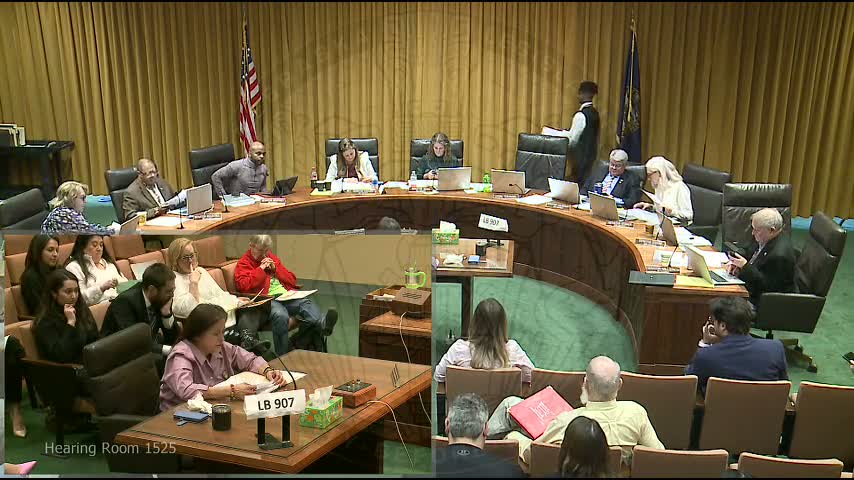
Lincoln — Lawmakers heard lengthy testimony March 3 on LB 907, a bill to codify in state statute a judicial‑warrant requirement for immigration‑enforcement entry into designated community “safe spaces” such as schools, hospitals, childcare facilities, libraries, courthouses, emergency‑response sites, domestic‑violence and homeless shelters, and places of worship.
Sponsor Senator Margo Juarez told the committee the measure aims to address a “chilling effect” she said has followed rescissions to prior federal sensitive‑locations guidance. The bill does not bar enforcement, Juarez said; it requires a judicial warrant — signed by a neutral magistrate on probable cause — before enforcement officers may enter non‑public areas of those locations.
Who testified: The hearing featured many opponents of warrantless entries and advocates urging the bill’s passage. Heartland Family Service, domestic‑violence advocates, school officials, pediatric and mental‑health professionals, clergy and immigrant‑advocacy organizations described families avoiding schools, delaying medical care, and not reporting crimes because of fear of enforcement in those settings. Witnesses said attendance, prosecution of abuse, and public health all suffer when essential community spaces are perceived as unsafe.
Legal and practical points: Supporters emphasized the distinction between administrative documents issued by ICE and judicial warrants issued by a judge, and urged the committee to include clear standards for exigent circumstances. Several proponents cited legal precedent and practice in other states that require judicial oversight for sensitive searches and argued the bill would not be preempted by federal law because it regulates access to state institutions rather than immigration status.
Representative examples on the record: Heartland Family Service described how survivors of domestic violence avoid hospitals and shelters for fear of immigration consequences; school and nonprofit witnesses said children have missed class because parents fear enforcement near schools. Several witnesses urged stronger enforcement language, accountability mechanisms, or civil remedies for unlawful entries; sponsors said they are open to drafting amendments.
What’s next: Supporters urged rapid advancement to general file. The committee did not vote. Chair Bosin closed the session after a long day of testimony; the bill remains pending.
Sponsor Senator Margo Juarez told the committee the measure aims to address a “chilling effect” she said has followed rescissions to prior federal sensitive‑locations guidance. The bill does not bar enforcement, Juarez said; it requires a judicial warrant — signed by a neutral magistrate on probable cause — before enforcement officers may enter non‑public areas of those locations.
Who testified: The hearing featured many opponents of warrantless entries and advocates urging the bill’s passage. Heartland Family Service, domestic‑violence advocates, school officials, pediatric and mental‑health professionals, clergy and immigrant‑advocacy organizations described families avoiding schools, delaying medical care, and not reporting crimes because of fear of enforcement in those settings. Witnesses said attendance, prosecution of abuse, and public health all suffer when essential community spaces are perceived as unsafe.
Legal and practical points: Supporters emphasized the distinction between administrative documents issued by ICE and judicial warrants issued by a judge, and urged the committee to include clear standards for exigent circumstances. Several proponents cited legal precedent and practice in other states that require judicial oversight for sensitive searches and argued the bill would not be preempted by federal law because it regulates access to state institutions rather than immigration status.
Representative examples on the record: Heartland Family Service described how survivors of domestic violence avoid hospitals and shelters for fear of immigration consequences; school and nonprofit witnesses said children have missed class because parents fear enforcement near schools. Several witnesses urged stronger enforcement language, accountability mechanisms, or civil remedies for unlawful entries; sponsors said they are open to drafting amendments.
What’s next: Supporters urged rapid advancement to general file. The committee did not vote. Chair Bosin closed the session after a long day of testimony; the bill remains pending.
View the Full Meeting & All Its Details
This article offers just a summary. Unlock complete video, transcripts, and insights as a Founder Member.
✓
Watch full, unedited meeting videos
✓
Search every word spoken in unlimited transcripts
✓
AI summaries & real-time alerts (all government levels)
✓
Permanent access to expanding government content
30-day money-back guarantee
