California Volunteers team leader urges stronger community preparedness after Los Angeles fires
March 01, 2026 | California Volunteers, Agencies under Office of the Governor, Executive, California
This article was created by AI summarizing key points discussed. AI makes mistakes, so for full details and context, please refer to the video of the full meeting. Please report any errors so we can fix them. Report an error »
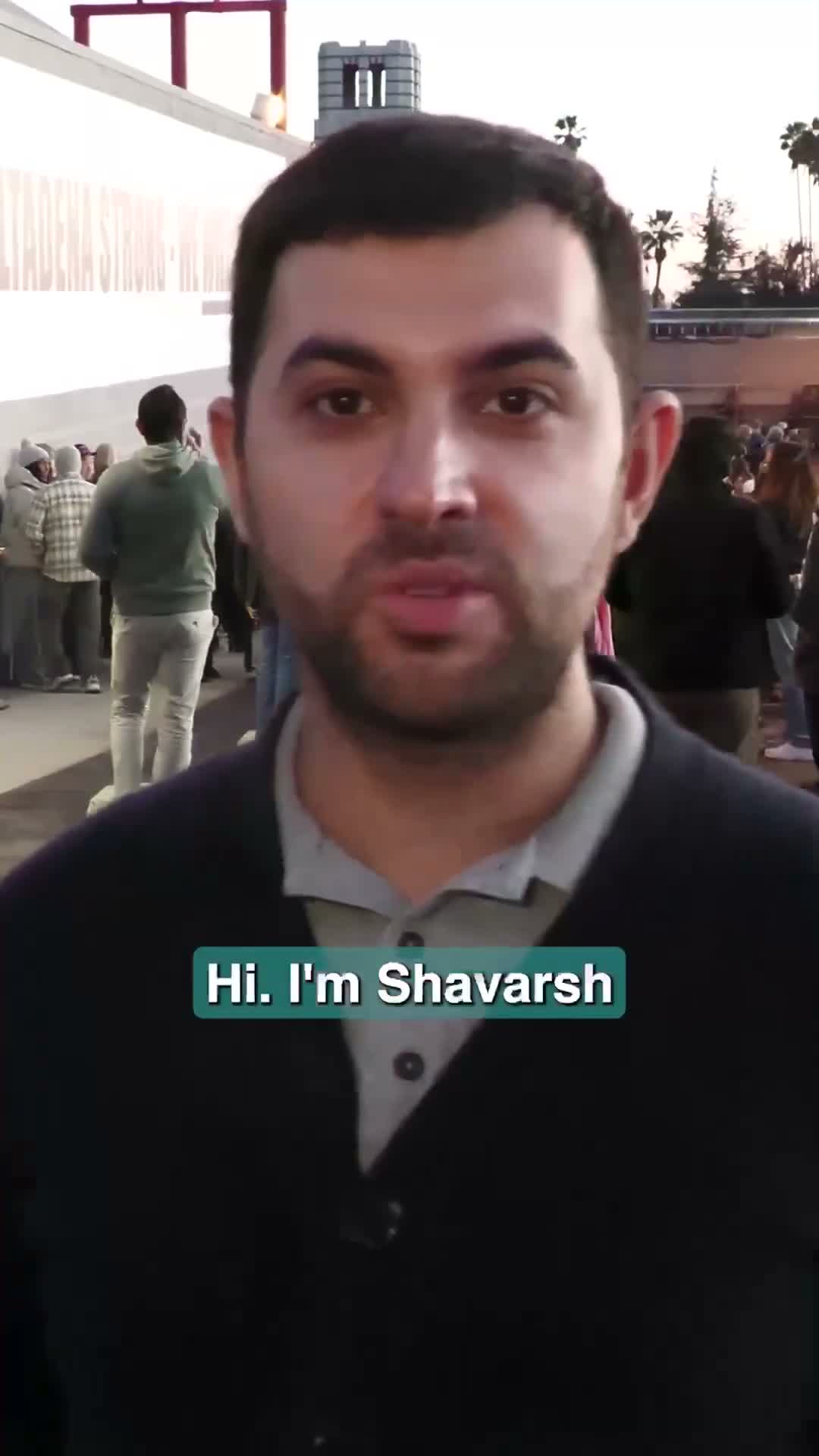
California Volunteers team leader しおばあ recounted on the meeting floor that they were deployed last year to a Disaster Recovery Center in Arcadia during the Los Angeles‑area wildfires and provided support to people who lost their homes.
"昨年 は カリフォルニア 機構 行動 部隊 の チーム リーダー を 務 め て い ま し た," しおばあ said, identifying their role with California Volunteers (translation: "Last year I served as a team leader with California Volunteers"). "アラデナ の DRC に 派遣 され、家 を 失っ た 人 々 に さまざま な 支援 を 提供 しま した。" ("I was deployed to the Arcadia DRC and provided various supports to people who lost their homes.")
The speaker described the personal shock of receiving evacuation notices while deployed. "DRC で 活動 し て い た 時 に、自分 の 家、 自分 の 居住 地 から 避難 し なけれ ば な ら な い と いう 通知 を 受け た 時 の 経験 は 衝撃的 で し た。二度 も 避難 し なけれ ば なり ません でした。" ("While working at the DRC, I received evacuation notices for my own home; it was a shocking experience — I had to evacuate twice.") The account emphasized how disorienting it was to be both a responder and an evacuee.
Despite that stress, しおばあ said volunteers kept working. "最も 支援 を 必要 と し て いる 人 々 を 支援 し なけれ ば なり ま せん," they said ("We had to support the people who needed help the most"). They described a shift toward greater resilience and practical preparedness among volunteers after the fires, including personal steps such as preparing an emergency 'go bag' (非常持ち出し袋).
The testimony framed community ties as central to recovery. "災害 が 発生 する と 隣人 や 地域 住民 に 頼ら ざ る を 得 ない こと が 多 い の で、私 は 地域 社会 に 頼る よう に なり ま し た。です から、地域 社会 の 支援 は 本当 に 全て を 意味 します。" ("In disasters we often must rely on neighbors and local residents; community support truly means everything.")
No formal action or vote was recorded during this item; the speaker delivered personal testimony and called for individuals and neighborhood groups to strengthen preparedness and mutual aid networks.
The account provides a first‑hand perspective on the operational and emotional realities faced by volunteer responders who may also be disaster victims, and underscores the role of local community networks in emergency response and recovery.
"昨年 は カリフォルニア 機構 行動 部隊 の チーム リーダー を 務 め て い ま し た," しおばあ said, identifying their role with California Volunteers (translation: "Last year I served as a team leader with California Volunteers"). "アラデナ の DRC に 派遣 され、家 を 失っ た 人 々 に さまざま な 支援 を 提供 しま した。" ("I was deployed to the Arcadia DRC and provided various supports to people who lost their homes.")
The speaker described the personal shock of receiving evacuation notices while deployed. "DRC で 活動 し て い た 時 に、自分 の 家、 自分 の 居住 地 から 避難 し なけれ ば な ら な い と いう 通知 を 受け た 時 の 経験 は 衝撃的 で し た。二度 も 避難 し なけれ ば なり ません でした。" ("While working at the DRC, I received evacuation notices for my own home; it was a shocking experience — I had to evacuate twice.") The account emphasized how disorienting it was to be both a responder and an evacuee.
Despite that stress, しおばあ said volunteers kept working. "最も 支援 を 必要 と し て いる 人 々 を 支援 し なけれ ば なり ま せん," they said ("We had to support the people who needed help the most"). They described a shift toward greater resilience and practical preparedness among volunteers after the fires, including personal steps such as preparing an emergency 'go bag' (非常持ち出し袋).
The testimony framed community ties as central to recovery. "災害 が 発生 する と 隣人 や 地域 住民 に 頼ら ざ る を 得 ない こと が 多 い の で、私 は 地域 社会 に 頼る よう に なり ま し た。です から、地域 社会 の 支援 は 本当 に 全て を 意味 します。" ("In disasters we often must rely on neighbors and local residents; community support truly means everything.")
No formal action or vote was recorded during this item; the speaker delivered personal testimony and called for individuals and neighborhood groups to strengthen preparedness and mutual aid networks.
The account provides a first‑hand perspective on the operational and emotional realities faced by volunteer responders who may also be disaster victims, and underscores the role of local community networks in emergency response and recovery.
Don't Miss a Word: See the Full Meeting!
Go beyond summaries. Unlock every video, transcript, and key insight with a Founder Membership.
✓
Get instant access to full meeting videos
✓
Search and clip any phrase from complete transcripts
✓
Receive AI-powered summaries & custom alerts
✓
Enjoy lifetime, unrestricted access to government data
30-day money-back guarantee
