Proposers outline on‑site combined heat and power and a possible downtown microgrid node
March 01, 2026 | Tompkins County, New York
This article was created by AI summarizing key points discussed. AI makes mistakes, so for full details and context, please refer to the video of the full meeting. Please report any errors so we can fix them. Report an error »
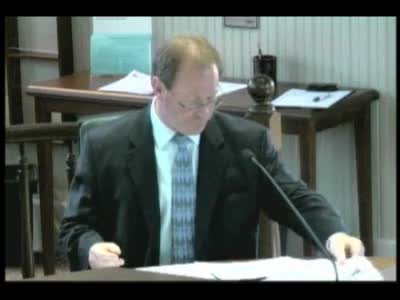
Engineers for the DeWitt House proposal told the Old Library committee the building is an opportunity to site a small combined cooling, heat and power (CCHP) unit that would provide electricity, reusable heat and absorption chilling for cooling — and could, in time, become a node for a wider downtown district energy or microgrid.
Don Harris of Delta Engineering described the approach in straightforward terms: "We're gonna take natural gas from the street. We're gonna put it into this generator. We're gonna generate power to the building. We're gonna take the heat off of that engine, and we're gonna use that to heat the building, and we're gonna run it through an absorption chiller so we can cool the building, all of it off the same machine here." He said the current design anticipates a generator in the 70–100 kilowatt range for this relatively low‑demand residential building, supplemented by conventional boilers and an electric chiller sized to meet peak conditions.
Harris described a complementary roof‑mounted solar array that could add roughly 100 kW of capacity on site and said the project team has applied to a New York Prize program and is coordinating with NYSEG and other partners to examine whether the downtown district could trade or sell electricity and heat among neighbors for resiliency.
Committee members asked technical follow‑ups: whether geothermal heat pumps would be more efficient, how a CCHP system's carbon footprint compares to alternatives and how the system would adapt to future fuels. Team engineers argued that, for this project today, CCHP delivers higher on‑site thermal efficiency (they cited 65–85% generator efficiency ranges) and avoids continuous compressor electricity loads associated with groundwater heat pumps when the regional grid is supplied by generation at roughly 30% plant efficiency; they said the CCHP unit is adaptable to future biofuels or methane if those supplies become available.
The team agreed to provide a written summary of the energy analysis for the committee and to post materials to a project site for further review. The committee did not make a determination on energy systems at this meeting and requested follow‑up energy modeling in subsequent reviews.
Don Harris of Delta Engineering described the approach in straightforward terms: "We're gonna take natural gas from the street. We're gonna put it into this generator. We're gonna generate power to the building. We're gonna take the heat off of that engine, and we're gonna use that to heat the building, and we're gonna run it through an absorption chiller so we can cool the building, all of it off the same machine here." He said the current design anticipates a generator in the 70–100 kilowatt range for this relatively low‑demand residential building, supplemented by conventional boilers and an electric chiller sized to meet peak conditions.
Harris described a complementary roof‑mounted solar array that could add roughly 100 kW of capacity on site and said the project team has applied to a New York Prize program and is coordinating with NYSEG and other partners to examine whether the downtown district could trade or sell electricity and heat among neighbors for resiliency.
Committee members asked technical follow‑ups: whether geothermal heat pumps would be more efficient, how a CCHP system's carbon footprint compares to alternatives and how the system would adapt to future fuels. Team engineers argued that, for this project today, CCHP delivers higher on‑site thermal efficiency (they cited 65–85% generator efficiency ranges) and avoids continuous compressor electricity loads associated with groundwater heat pumps when the regional grid is supplied by generation at roughly 30% plant efficiency; they said the CCHP unit is adaptable to future biofuels or methane if those supplies become available.
The team agreed to provide a written summary of the energy analysis for the committee and to post materials to a project site for further review. The committee did not make a determination on energy systems at this meeting and requested follow‑up energy modeling in subsequent reviews.
View the Full Meeting & All Its Details
This article offers just a summary. Unlock complete video, transcripts, and insights as a Founder Member.
✓
Watch full, unedited meeting videos
✓
Search every word spoken in unlimited transcripts
✓
AI summaries & real-time alerts (all government levels)
✓
Permanent access to expanding government content
30-day money-back guarantee
