Cornerstone Group proposes 63-unit senior affordable housing for DeWitt Park site
March 01, 2026 | Tompkins County, New York
This article was created by AI summarizing key points discussed. AI makes mistakes, so for full details and context, please refer to the video of the full meeting. Please report any errors so we can fix them. Report an error »
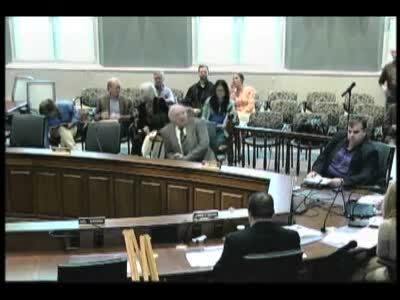
The Cornerstone Group on Friday presented a proposal to the Old Library Special Committee to replace the county-owned library building at DeWitt Park with a 63-unit affordable rental building targeted to residents 55 and older. Roger Brandt, president of Cornerstone Group, told the committee the team would abate hazardous materials, demolish the old library and commit the property to a regulatory agreement "for up to 32 years" to ensure long-term affordability.
The proposal combines housing with a dedicated space for Cornell Cooperative Extension programming and includes 3 studios, 54 one-bedroom units and 6 two-bedroom units. Brandt said the project is structured so roughly 89% of units would serve households at or below 60% of area median income, with the remaining units for households up to 80% AMI. He estimated total project costs at $16,800,000 and said financing will rely on loans, grants and equity from the sale of low-income housing tax credits, secured in part by a commitment from Raymond James: "We have a commitment to fund that from our financial partner, Raymond James," Brandt said.
The design team described an L-shaped building with a central courtyard, a stone base and brick and fiber-cement siding to match the neighborhood fabric. Tim Zegarowicz of SWBR Architects said the scheme preserves street trees where possible, reduces impervious surface compared with the current footprint, and puts most parking inside the first floor: "We're not going to increase any runoff," he said. The team expects to deliver a mix of energy measures — pursuing NYSERDA incentives, Energy Star appliances and a LEED for Homes silver target — and aims for photovoltaics to supply roughly a quarter of the building's electric demand.
Financing hinges on municipal support the developer identified as essential. Brandt asked the county for a payment-in-lieu-of-taxes arrangement: $600 per unit in year one with a 3% annual escalation for the length of the regulatory period (the team asked the county to support the 32-year term funders seek). When asked whether the project could proceed without the pilot, a Cornerstone representative said bluntly, "No. The rents would not work." Committee members pressed the developers on timing and risk; the team said they planned to apply for 4% tax credits in an open round, expect to be notified in July, and anticipate the county legislature could act to authorize property transfer in December.
Committee members and neighbors used the public Q&A to press details the presentation did not fully specify. Architects provided unit sizes — studios about 500 square feet, one-bedrooms about 650 square feet and two-bedrooms about 800 square feet — and floor plans that emphasize accessible design, L-shaped kitchens and larger bathrooms for seniors. On construction methods, the contractor said some wall panels and other assemblies would be prefabricated off-site because the site is tight. Karl Schuler, president of Talented Builders, warned that hazardous-material abatement on the old library will be expensive: "It's over $1,000,000 and that building is going to have to be closed off, sealed off, and removed," he said.
Neighbors and nearby business owners raised concerns about setbacks, demolition noise, truck traffic, parking and exterior lighting. Tom Sini of the DeWitt Park Inn asked how close the new structure would be to his property; developers said they planned a 15–16-foot setback from the curb and would meet city setback requirements. On noise and demolition impacts, the builders said abatement is a contained, sealed process and promised pre-construction documentation of adjacent properties and temporary shoring during grade work. The architects said parking will use full-cutoff fixtures to avoid light spillover.
The team described property management plans and tenant eligibility. Cornerstone said local property managers would run day-to-day operations with district managers providing supervision, and that the project would accept Housing Authority vouchers within payment standards. Developers described outreach plans, neighborhood meetings and design collaboration with Historic Ithaca on façade details and window surrounds.
Committee members also asked about labor and local economic benefit. The general contractor said projects are open to union contractors but local labor availability will determine participation; the team commits to local subcontractor outreach and set MBE/WBE participation goals in the mid-to-high 20% range. The developer estimated construction would create roughly 120 jobs and expected a roughly two-year timeline from selection (application) to lease-up, with demolition/abatement in the first summer after closing and about 10 months of construction.
The committee did not vote. Chair Mike Lane closed the session by saying the special committee will compare multiple proposals and make a recommendation to the full county legislature. The development team thanked the committee and neighbors and said they look forward to the selection process and subsequent state tax-credit application.
The proposal combines housing with a dedicated space for Cornell Cooperative Extension programming and includes 3 studios, 54 one-bedroom units and 6 two-bedroom units. Brandt said the project is structured so roughly 89% of units would serve households at or below 60% of area median income, with the remaining units for households up to 80% AMI. He estimated total project costs at $16,800,000 and said financing will rely on loans, grants and equity from the sale of low-income housing tax credits, secured in part by a commitment from Raymond James: "We have a commitment to fund that from our financial partner, Raymond James," Brandt said.
The design team described an L-shaped building with a central courtyard, a stone base and brick and fiber-cement siding to match the neighborhood fabric. Tim Zegarowicz of SWBR Architects said the scheme preserves street trees where possible, reduces impervious surface compared with the current footprint, and puts most parking inside the first floor: "We're not going to increase any runoff," he said. The team expects to deliver a mix of energy measures — pursuing NYSERDA incentives, Energy Star appliances and a LEED for Homes silver target — and aims for photovoltaics to supply roughly a quarter of the building's electric demand.
Financing hinges on municipal support the developer identified as essential. Brandt asked the county for a payment-in-lieu-of-taxes arrangement: $600 per unit in year one with a 3% annual escalation for the length of the regulatory period (the team asked the county to support the 32-year term funders seek). When asked whether the project could proceed without the pilot, a Cornerstone representative said bluntly, "No. The rents would not work." Committee members pressed the developers on timing and risk; the team said they planned to apply for 4% tax credits in an open round, expect to be notified in July, and anticipate the county legislature could act to authorize property transfer in December.
Committee members and neighbors used the public Q&A to press details the presentation did not fully specify. Architects provided unit sizes — studios about 500 square feet, one-bedrooms about 650 square feet and two-bedrooms about 800 square feet — and floor plans that emphasize accessible design, L-shaped kitchens and larger bathrooms for seniors. On construction methods, the contractor said some wall panels and other assemblies would be prefabricated off-site because the site is tight. Karl Schuler, president of Talented Builders, warned that hazardous-material abatement on the old library will be expensive: "It's over $1,000,000 and that building is going to have to be closed off, sealed off, and removed," he said.
Neighbors and nearby business owners raised concerns about setbacks, demolition noise, truck traffic, parking and exterior lighting. Tom Sini of the DeWitt Park Inn asked how close the new structure would be to his property; developers said they planned a 15–16-foot setback from the curb and would meet city setback requirements. On noise and demolition impacts, the builders said abatement is a contained, sealed process and promised pre-construction documentation of adjacent properties and temporary shoring during grade work. The architects said parking will use full-cutoff fixtures to avoid light spillover.
The team described property management plans and tenant eligibility. Cornerstone said local property managers would run day-to-day operations with district managers providing supervision, and that the project would accept Housing Authority vouchers within payment standards. Developers described outreach plans, neighborhood meetings and design collaboration with Historic Ithaca on façade details and window surrounds.
Committee members also asked about labor and local economic benefit. The general contractor said projects are open to union contractors but local labor availability will determine participation; the team commits to local subcontractor outreach and set MBE/WBE participation goals in the mid-to-high 20% range. The developer estimated construction would create roughly 120 jobs and expected a roughly two-year timeline from selection (application) to lease-up, with demolition/abatement in the first summer after closing and about 10 months of construction.
The committee did not vote. Chair Mike Lane closed the session by saying the special committee will compare multiple proposals and make a recommendation to the full county legislature. The development team thanked the committee and neighbors and said they look forward to the selection process and subsequent state tax-credit application.
View the Full Meeting & All Its Details
This article offers just a summary. Unlock complete video, transcripts, and insights as a Founder Member.
✓
Watch full, unedited meeting videos
✓
Search every word spoken in unlimited transcripts
✓
AI summaries & real-time alerts (all government levels)
✓
Permanent access to expanding government content
30-day money-back guarantee
