Hall County approves temporary transit funding, to sell surplus vehicles to Grand Island and negotiate service contract
March 26, 2024 | Hall County, Nebraska
This article was created by AI summarizing key points discussed. AI makes mistakes, so for full details and context, please refer to the video of the full meeting. Please report any errors so we can fix them. Report an error »
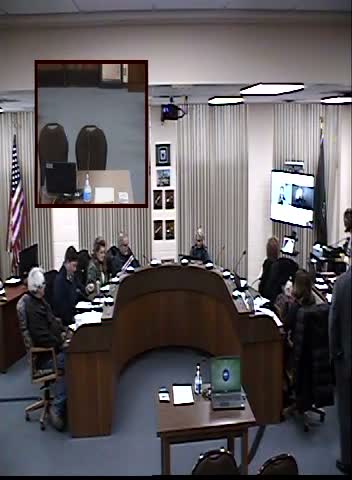
The Hall County Board of Commissioners on March 12 voted to take a series of steps intended to avert an imminent interruption in rural transit service and to establish a path for a county-supported restart.
Commissioner Scott, who led the transit presentation, said the county’s earlier $40,000 pledge would not fully cover the initial local-match requirement and that startup costs and part‑time staffing could push the local match higher. “The 40,000 that we had initially pledged is gonna be short of what we are gonna need initially to get started up,” he said, noting bids and matching requirements in the state’s mobility program.
To cover the shortfall the board approved multiple motions: to surplus five specified county transit vehicles, to sell those surplus vehicles to the City of Grand Island for $23,595, and to enter a motor-vehicle user agreement with the city to lease back up to five county transit vehicles for temporary use. The board also voted to accept the single bid from Holiday Express for transit service and to appoint a selection committee to verify compliance with NDOT/FTA requirements and negotiate final contract terms. All motions passed with recorded unanimous votes.
The board discussed leasing a small number of vehicles to the city for six months and using proceeds from the vehicle sale (and potential short-term leases) as part of the local match for year one and two. Staff said leased vehicles would be insured and maintained under negotiated terms and that any lease agreement would be reviewed by the county attorney before final execution.
Why it matters: Rural transit provides transportation for residents who rely on services to access medical care, work and other essential trips. Commissioners raised concerns about leaving riders without service and said the actions were intended to provide immediate continuity while planners pursue longer-term funding and procurement.
What’s next: The selection committee will confirm vendor documentation and NDOT/FTA compliance, finalize negotiations with Holiday Express and return a recommended contract to the board. The county also intends to monitor local-match needs and report back on whether additional local funding or grant support can be found.
Commissioner Scott, who led the transit presentation, said the county’s earlier $40,000 pledge would not fully cover the initial local-match requirement and that startup costs and part‑time staffing could push the local match higher. “The 40,000 that we had initially pledged is gonna be short of what we are gonna need initially to get started up,” he said, noting bids and matching requirements in the state’s mobility program.
To cover the shortfall the board approved multiple motions: to surplus five specified county transit vehicles, to sell those surplus vehicles to the City of Grand Island for $23,595, and to enter a motor-vehicle user agreement with the city to lease back up to five county transit vehicles for temporary use. The board also voted to accept the single bid from Holiday Express for transit service and to appoint a selection committee to verify compliance with NDOT/FTA requirements and negotiate final contract terms. All motions passed with recorded unanimous votes.
The board discussed leasing a small number of vehicles to the city for six months and using proceeds from the vehicle sale (and potential short-term leases) as part of the local match for year one and two. Staff said leased vehicles would be insured and maintained under negotiated terms and that any lease agreement would be reviewed by the county attorney before final execution.
Why it matters: Rural transit provides transportation for residents who rely on services to access medical care, work and other essential trips. Commissioners raised concerns about leaving riders without service and said the actions were intended to provide immediate continuity while planners pursue longer-term funding and procurement.
What’s next: The selection committee will confirm vendor documentation and NDOT/FTA compliance, finalize negotiations with Holiday Express and return a recommended contract to the board. The county also intends to monitor local-match needs and report back on whether additional local funding or grant support can be found.
View the Full Meeting & All Its Details
This article offers just a summary. Unlock complete video, transcripts, and insights as a Founder Member.
✓
Watch full, unedited meeting videos
✓
Search every word spoken in unlimited transcripts
✓
AI summaries & real-time alerts (all government levels)
✓
Permanent access to expanding government content
30-day money-back guarantee
