Internal audit finds venue operator failed to provide required financials; administration issues notice of default and posts RFPs
February 28, 2026 | Anchorage Municipality, Alaska
This article was created by AI summarizing key points discussed. AI makes mistakes, so for full details and context, please refer to the video of the full meeting. Please report any errors so we can fix them. Report an error »
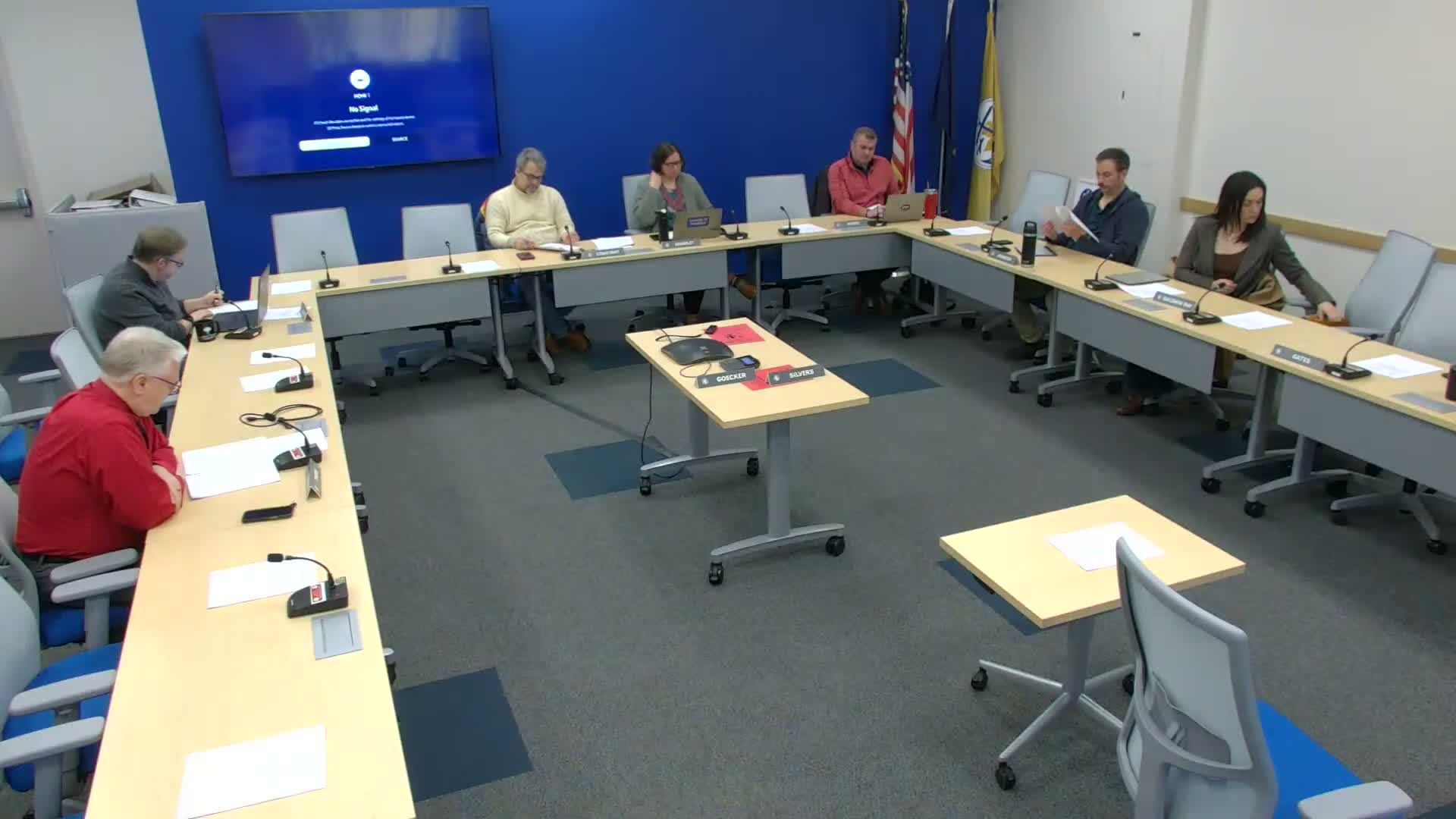
An internal audit of the private operator managing Anchorage’s Sullivan Arena, Ben Bokey and Dempsey facilities found multiple contract compliance failures that the municipality says have left it financially exposed and with limited leverage to enforce the contract.
The audit’s lead presenter told the Anchorage Assembly that the most serious finding was that the contractor did not provide audited financial statements required by the contract, leaving auditors unable to verify revenues, incentives and profitability. The presenter listed a total of 14 findings, including inconsistent contractor records, improperly calculated revenue incentives, uncollected ticket surcharges, missing performance and payment bonds, late or missing reporting, and failures to tag municipal capital assets.
Why it matters: Assembly members pressed for a clear estimate of the municipality’s exposure. Chief Administrative Officer Bill Fauci said the audit findings “were in excess of half $1,000,000,” excluding some unpaid utilities, and that the municipality has been covering utility bills to avoid service interruptions. Fauci warned the administration’s remedies under the current contract are limited and said the city issued a notice of default — described as sent on Feb. 3 — starting a 30‑day cure period.
The administration also posted two requests for proposals: one to operate Bokey and Dempsey and another to operate Sullivan, each open for 30 days. Fauci said the separate RFPs and revised contract provisions are intended to give the municipality greater oversight and more contractual remedies than the current agreement provides.
Assembly members asked whether missing insurance or bonds could leave the city financially liable. Fauci said required insurance is intended to keep the municipality off the hook, but if the contractor lacks the coverage “there’s at least a theoretical possibility that the municipality ends up on the hook.”
Members also asked whether the city can recover surcharge revenue or other unpaid amounts when the contractor failed to apply required surcharges to ticket prices. The auditor said some events had surcharges and some did not, and where surcharges were collected the split and accounting were not always clearly delineated.
Next steps: The assembly agreed it needs more detailed accounting. Fauci said the administration will pursue further accounting — potentially a forensic‑level review with participation from the office of venues’ contract administrator and the legal department — and expects that work could take a few months and inform upcoming budget revisions.
The audit and the administration’s response are unresolved; the notice of default triggers a 30‑day cure period but does not automatically terminate the contract. The assembly scheduled a follow‑up work session to examine records and next steps.
The audit’s lead presenter told the Anchorage Assembly that the most serious finding was that the contractor did not provide audited financial statements required by the contract, leaving auditors unable to verify revenues, incentives and profitability. The presenter listed a total of 14 findings, including inconsistent contractor records, improperly calculated revenue incentives, uncollected ticket surcharges, missing performance and payment bonds, late or missing reporting, and failures to tag municipal capital assets.
Why it matters: Assembly members pressed for a clear estimate of the municipality’s exposure. Chief Administrative Officer Bill Fauci said the audit findings “were in excess of half $1,000,000,” excluding some unpaid utilities, and that the municipality has been covering utility bills to avoid service interruptions. Fauci warned the administration’s remedies under the current contract are limited and said the city issued a notice of default — described as sent on Feb. 3 — starting a 30‑day cure period.
The administration also posted two requests for proposals: one to operate Bokey and Dempsey and another to operate Sullivan, each open for 30 days. Fauci said the separate RFPs and revised contract provisions are intended to give the municipality greater oversight and more contractual remedies than the current agreement provides.
Assembly members asked whether missing insurance or bonds could leave the city financially liable. Fauci said required insurance is intended to keep the municipality off the hook, but if the contractor lacks the coverage “there’s at least a theoretical possibility that the municipality ends up on the hook.”
Members also asked whether the city can recover surcharge revenue or other unpaid amounts when the contractor failed to apply required surcharges to ticket prices. The auditor said some events had surcharges and some did not, and where surcharges were collected the split and accounting were not always clearly delineated.
Next steps: The assembly agreed it needs more detailed accounting. Fauci said the administration will pursue further accounting — potentially a forensic‑level review with participation from the office of venues’ contract administrator and the legal department — and expects that work could take a few months and inform upcoming budget revisions.
The audit and the administration’s response are unresolved; the notice of default triggers a 30‑day cure period but does not automatically terminate the contract. The assembly scheduled a follow‑up work session to examine records and next steps.
Don't Miss a Word: See the Full Meeting!
Go beyond summaries. Unlock every video, transcript, and key insight with a Founder Membership.
✓
Get instant access to full meeting videos
✓
Search and clip any phrase from complete transcripts
✓
Receive AI-powered summaries & custom alerts
✓
Enjoy lifetime, unrestricted access to government data
30-day money-back guarantee
