Commissioners adopt UDO changes to clarify home-based businesses and mirror state rules for short-term rentals
December 30, 2024 | DeKalb County, Indiana
This article was created by AI summarizing key points discussed. AI makes mistakes, so for full details and context, please refer to the video of the full meeting. Please report any errors so we can fix them. Report an error »
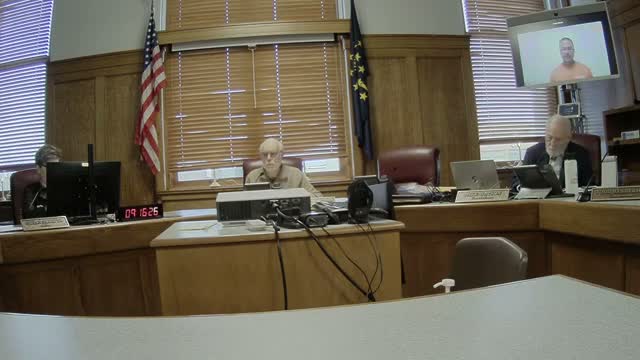
DeKalb County commissioners voted Dec. 3 to adopt separate UDO text amendments: one simplifying rules for home-based businesses and another aligning short-term rental rules with Indiana law.
Planning staff (Chris, speaker 11) told the board the home-based-business update removes multiple overlapping definitions and consolidates standards in the development standards section. The draft sets maximum indoor floor-area limits (a 500-square-foot cap for small home occupations, higher caps for workshops and enterprises), restricts outdoor storage unless screened, limits on-site employees by business type and allows modest signage. Chris said the Planning Commission unanimously recommended the revisions.
On short-term rentals, staff proposed language that follows Indiana Code (IC 36-1-24) so the county can require one-time permits and limited signage and distinguish owner-occupied and non-owner-occupied rentals. Staff emphasized they did not add standards beyond state law but created local permitting and minimal development standards to help enforcement. The board approved Resolution 2024-R-12 for the home-based changes and Resolution 2024-R-13 for the short-term rental provisions by roll call.
Chris said the planning department is seeing permit activity above previous highs and that the office will work on a comprehensive plan rewrite in 2025–26 to guide future rezone decisions and development policy.
The short-term rental language references IC 36-1-24 for enforcement and fee provisions; the county will rely on state code for any enforcement steps that exceed the local development standards in Article 5.
Planning staff (Chris, speaker 11) told the board the home-based-business update removes multiple overlapping definitions and consolidates standards in the development standards section. The draft sets maximum indoor floor-area limits (a 500-square-foot cap for small home occupations, higher caps for workshops and enterprises), restricts outdoor storage unless screened, limits on-site employees by business type and allows modest signage. Chris said the Planning Commission unanimously recommended the revisions.
On short-term rentals, staff proposed language that follows Indiana Code (IC 36-1-24) so the county can require one-time permits and limited signage and distinguish owner-occupied and non-owner-occupied rentals. Staff emphasized they did not add standards beyond state law but created local permitting and minimal development standards to help enforcement. The board approved Resolution 2024-R-12 for the home-based changes and Resolution 2024-R-13 for the short-term rental provisions by roll call.
Chris said the planning department is seeing permit activity above previous highs and that the office will work on a comprehensive plan rewrite in 2025–26 to guide future rezone decisions and development policy.
The short-term rental language references IC 36-1-24 for enforcement and fee provisions; the county will rely on state code for any enforcement steps that exceed the local development standards in Article 5.
View the Full Meeting & All Its Details
This article offers just a summary. Unlock complete video, transcripts, and insights as a Founder Member.
✓
Watch full, unedited meeting videos
✓
Search every word spoken in unlimited transcripts
✓
AI summaries & real-time alerts (all government levels)
✓
Permanent access to expanding government content
30-day money-back guarantee
