Chair James Herndon outlines City Schools of Decatur priorities: student success, teacher support and equity
This article was created by AI summarizing key points discussed. AI makes mistakes, so for full details and context, please refer to the video of the full meeting. Please report any errors so we can fix them. Report an error »
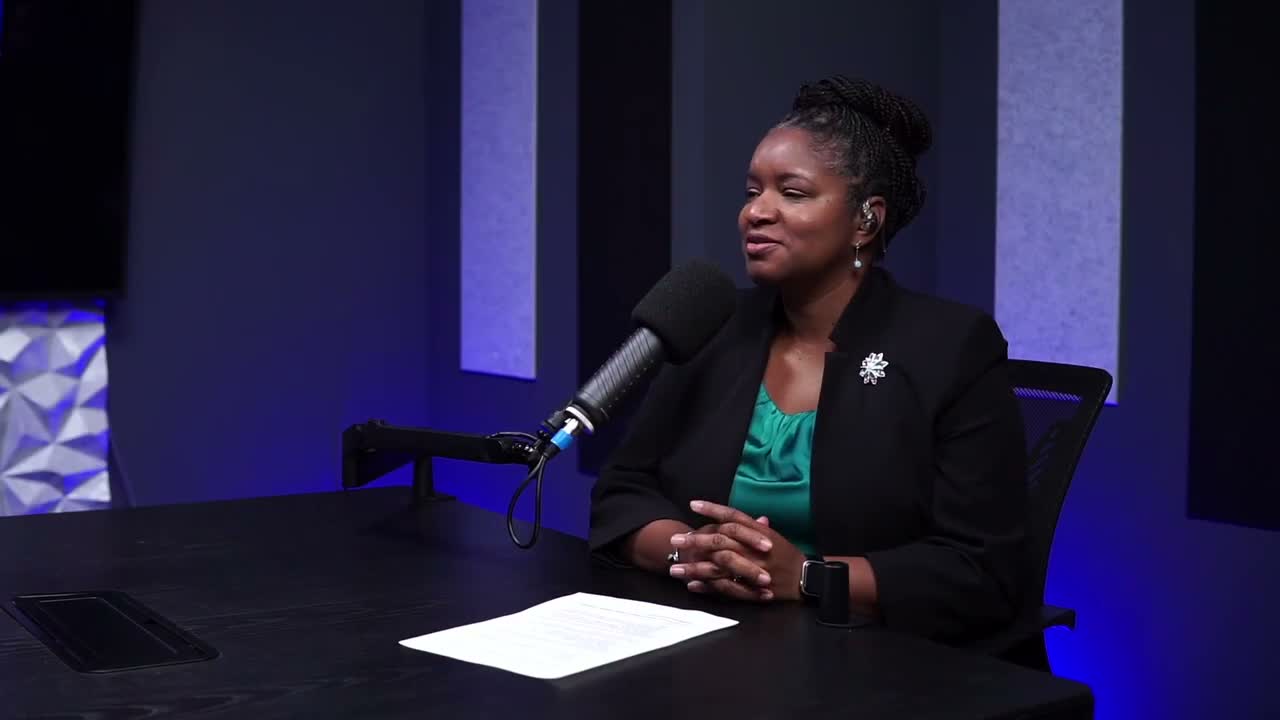
Chair James Herndon, chair of the City Schools of Decatur Board of Education, outlined the district's top priorities on the podcast "Words with Dr. Whitaker," saying the board's work centers on student success, support for educators and organizational effectiveness.
"My priority here is student success," Herndon said, adding that the board's 2023 strategic plan provides a roadmap for those goals. He described student success as "in all areas," including honors, special education and social-emotional supports, and said community input shaped the plan.
The board is adding honors options and expanding Advanced Placement offerings, including AP African American studies and computer science, to create more rigorous pathways for high-achieving students. "We don't want to lose those kids if they don't feel like they're being challenged," Herndon said.
Herndon also described steps to amplify student voice: the board has added a junior/student school board member "who can have a seat at the table," though he noted, "They can't vote on certain things in Georgia" and cannot participate in legal deliberations. The superintendent's student advisory board is likewise being publicized to encourage student applications and engagement.
On cultivating and retaining teachers, Herndon highlighted expanded professional development and mentorship: summer trainings, subject-specific preparation for new AP courses, dyslexia instruction, an instructional web portal with sample lessons and a planned 0–3 mentorship pathway for early-career teachers. "If as a school system you're not offering those opportunities to people, then those teachers are not being cultivated into their best selves," he said.
He framed compensation and workplace culture as central to retention. "We've gotta pay teachers what we can," Herndon said, noting finite budgets and the need to balance raises with other district priorities. He said the board aims for the district to be in the top 25 for teacher pay in the Atlanta metro region and that some solutions will require state-level action.
Herndon framed organizational effectiveness around data, transparent budgeting and clearer communication about how education is funded at the state level. He urged a zero-based budgeting approach to show what is spent and why, and called the state funding system confusing for residents.
Equity threaded the conversation: Herndon said equity means ensuring students enter senior year with access to honors, counseling, meals and other essential supports, and measuring whether students report a personal connection with an adult in their school. "We're not just saying 'all means all,'" he said; the district is looking for where they fall short and targeting interventions.
Herndon also mentioned local partnerships and outreach, including work with the Decatur Housing Authority and listening sessions at schools and community centers to make engagement accessible.
The interview closed with Dr. Whitaker thanking Herndon for his leadership as the district implements the strategic plan and for describing concrete steps on student voice, teacher development and equity.
"My priority here is student success," Herndon said, adding that the board's 2023 strategic plan provides a roadmap for those goals. He described student success as "in all areas," including honors, special education and social-emotional supports, and said community input shaped the plan.
The board is adding honors options and expanding Advanced Placement offerings, including AP African American studies and computer science, to create more rigorous pathways for high-achieving students. "We don't want to lose those kids if they don't feel like they're being challenged," Herndon said.
Herndon also described steps to amplify student voice: the board has added a junior/student school board member "who can have a seat at the table," though he noted, "They can't vote on certain things in Georgia" and cannot participate in legal deliberations. The superintendent's student advisory board is likewise being publicized to encourage student applications and engagement.
On cultivating and retaining teachers, Herndon highlighted expanded professional development and mentorship: summer trainings, subject-specific preparation for new AP courses, dyslexia instruction, an instructional web portal with sample lessons and a planned 0–3 mentorship pathway for early-career teachers. "If as a school system you're not offering those opportunities to people, then those teachers are not being cultivated into their best selves," he said.
He framed compensation and workplace culture as central to retention. "We've gotta pay teachers what we can," Herndon said, noting finite budgets and the need to balance raises with other district priorities. He said the board aims for the district to be in the top 25 for teacher pay in the Atlanta metro region and that some solutions will require state-level action.
Herndon framed organizational effectiveness around data, transparent budgeting and clearer communication about how education is funded at the state level. He urged a zero-based budgeting approach to show what is spent and why, and called the state funding system confusing for residents.
Equity threaded the conversation: Herndon said equity means ensuring students enter senior year with access to honors, counseling, meals and other essential supports, and measuring whether students report a personal connection with an adult in their school. "We're not just saying 'all means all,'" he said; the district is looking for where they fall short and targeting interventions.
Herndon also mentioned local partnerships and outreach, including work with the Decatur Housing Authority and listening sessions at schools and community centers to make engagement accessible.
The interview closed with Dr. Whitaker thanking Herndon for his leadership as the district implements the strategic plan and for describing concrete steps on student voice, teacher development and equity.
Don't Miss a Word: See the Full Meeting!
Go beyond summaries. Unlock every video, transcript, and key insight with a Founder Membership.
✓
Get instant access to full meeting videos
✓
Search and clip any phrase from complete transcripts
✓
Receive AI-powered summaries & custom alerts
✓
Enjoy lifetime, unrestricted access to government data
30-day money-back guarantee
