Rep. Rick Crawford says U.S. strikes aimed at nuclear, missile capabilities and hastening Iran regime change
This article was created by AI summarizing key points discussed. AI makes mistakes, so for full details and context, please refer to the video of the full meeting. Please report any errors so we can fix them. Report an error »
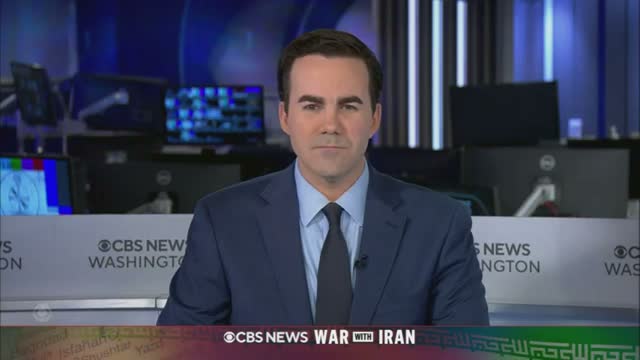
Rep. Rick Crawford, chair of the House Permanent Select Committee on Intelligence and the U.S. representative for Arkansas’s 1st District, said in a televised interview that recent U.S. strikes on Iran pursued three objectives: degrading nuclear capability, disrupting ballistic missile production and deployment, and accelerating a regime-change dynamic amid unrest in Iran.
"I think there are three goals to be addressed here," Crawford said, listing nuclear capability, ballistic missile production and what he described as a "regime change" result. He added that the Iranian regime had "killed upwards of 30,000 of their own people," framing the strikes as responding to sustained threats and abuses.
His description of the military action emphasized precision and selectivity. Crawford said the strikes were "surgically, precise" and that the president recognized an opportunity where timing and conditions were right. He predicted continued airstrikes targeted at mobile ballistic-missile production and deployment sites, noting that many such sites are mobile, which would require "a little bit of patience." "You'll continue to see air strikes and it'll be very precise targeting," he said.
When asked whether the president should have sought congressional approval, Crawford did not reference a formal vote; instead he argued there was a sufficient historical threat and described the action as part of a long-standing U.S. posture toward Iran. "We've been in that war with Iran since 1979," he said, adding that he viewed the current administration's strikes as "finishing" rather than starting a conflict.
Crawford placed the strikes in a broader diplomatic and historical frame, citing past incidents such as the 1983 attack on the U.S. Marine barracks in Lebanon and the 1979 embassy hostage crisis. He said prior administrations engaged Iran through intermediaries, referencing the JCPOA process, and argued that U.S. diplomatic offers had been met with intransigence by Iranian negotiators.
The interview ended with Crawford reiterating his view that conditions in Iran were ripe for "organic regime change" and expressing support for Iranians' ability to "affect their own self determination." The broadcast did not record any formal congressional action or vote on the strikes during the interview.
The interview closed with brief thanks from the moderator and the congressman.
"I think there are three goals to be addressed here," Crawford said, listing nuclear capability, ballistic missile production and what he described as a "regime change" result. He added that the Iranian regime had "killed upwards of 30,000 of their own people," framing the strikes as responding to sustained threats and abuses.
His description of the military action emphasized precision and selectivity. Crawford said the strikes were "surgically, precise" and that the president recognized an opportunity where timing and conditions were right. He predicted continued airstrikes targeted at mobile ballistic-missile production and deployment sites, noting that many such sites are mobile, which would require "a little bit of patience." "You'll continue to see air strikes and it'll be very precise targeting," he said.
When asked whether the president should have sought congressional approval, Crawford did not reference a formal vote; instead he argued there was a sufficient historical threat and described the action as part of a long-standing U.S. posture toward Iran. "We've been in that war with Iran since 1979," he said, adding that he viewed the current administration's strikes as "finishing" rather than starting a conflict.
Crawford placed the strikes in a broader diplomatic and historical frame, citing past incidents such as the 1983 attack on the U.S. Marine barracks in Lebanon and the 1979 embassy hostage crisis. He said prior administrations engaged Iran through intermediaries, referencing the JCPOA process, and argued that U.S. diplomatic offers had been met with intransigence by Iranian negotiators.
The interview ended with Crawford reiterating his view that conditions in Iran were ripe for "organic regime change" and expressing support for Iranians' ability to "affect their own self determination." The broadcast did not record any formal congressional action or vote on the strikes during the interview.
The interview closed with brief thanks from the moderator and the congressman.
Don't Miss a Word: See the Full Meeting!
Go beyond summaries. Unlock every video, transcript, and key insight with a Founder Membership.
✓
Get instant access to full meeting videos
✓
Search and clip any phrase from complete transcripts
✓
Receive AI-powered summaries & custom alerts
✓
Enjoy lifetime, unrestricted access to government data
30-day money-back guarantee
