Rep. Ron Estes says reconciliation bill protects rural families, farmers and small businesses
May 31, 2025 | House Committee on Ways and Means, House Committee, House, Legislative, Federal
This article was created by AI summarizing key points discussed. AI makes mistakes, so for full details and context, please refer to the video of the full meeting. Please report any errors so we can fix them. Report an error »
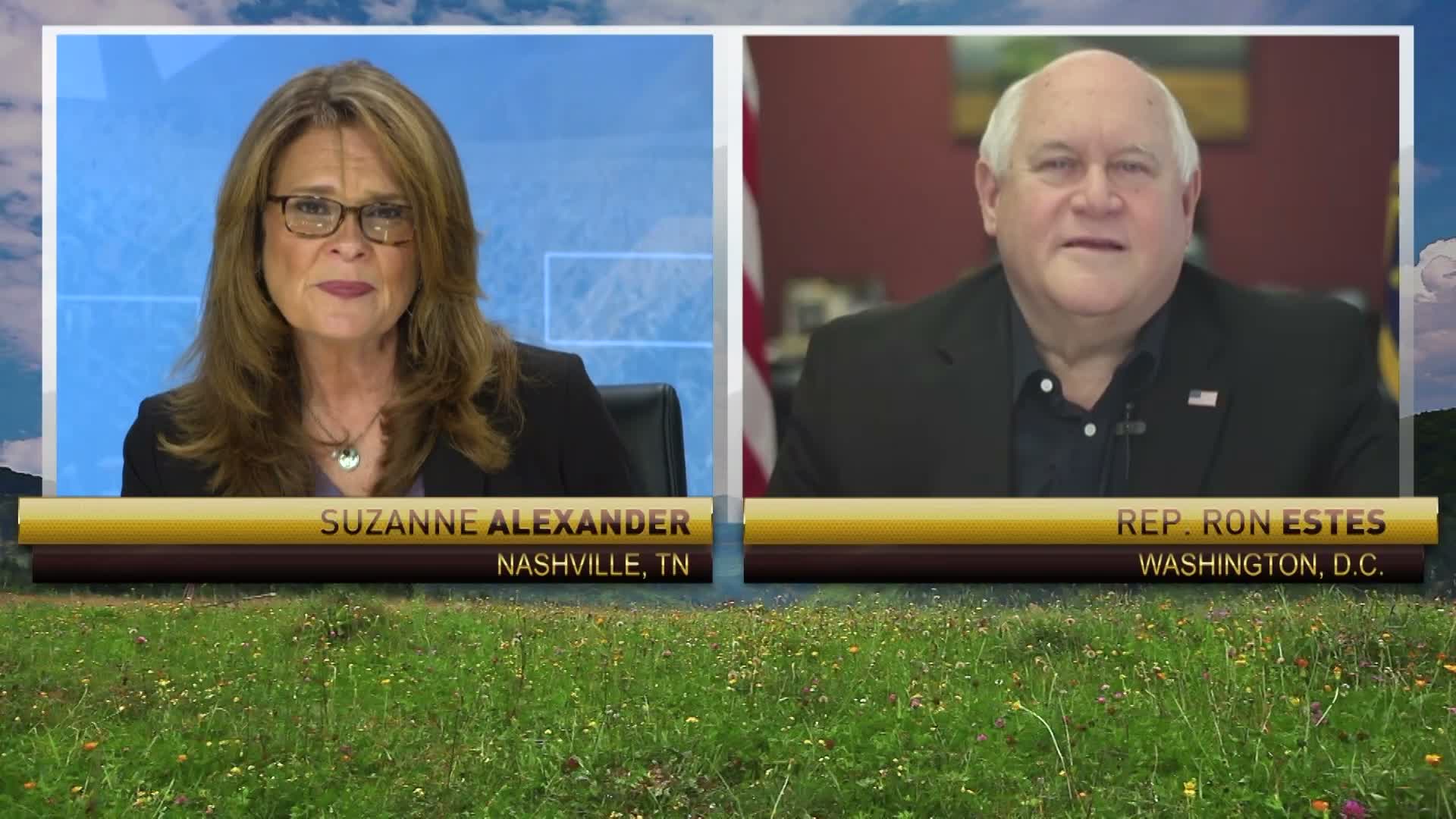
Rep. Ron Estes of Kansas said the House'passed tax-reconciliation bill was crafted to sustain economic growth and shield rural families and businesses from higher taxes and regulatory burdens.
Estes, appearing on RFD-TV's Champions of Rural America, said the bill's top priorities for him were "how do we keep the economic growth going" and to address deficit and spending concerns. He stated that maintaining the 2017 tax rates was central to that effort, saying that without extensions some Kansans "would have seen a $2,200 tax increase" and asserting that many provisions were written to be permanent where possible.
Why it matters: Estes framed the changes as decisions that influence investment decisions for farmers, small businesses and co-ops. He said permanent—or longer—tax certainty helps businesses invest in equipment, elevators and buildings and that keeping the estate (death) tax exemption higher prevents sudden tax burdens on family farms.
Details and claims: Estes pointed to several categories in the bill he described as pro-rural: extended crop insurance provisions, new investments in livestock biosecurity, and provisions meant to reduce trade barriers to help U.S. agricultural exports. He also said the legislation included measures to help seniors with larger deductions and to offset some Social Security tax concerns.
Estes characterized the 2017 tax cuts as having spurred growth and argued the reconciliation measure was intended to avoid a return to pre-2017 rates. He said that some items in the House were limited to five years because of House constraints and that the Senate could make additional provisions permanent, citing first-year write-offs for research and development and equipment purchases as examples the Senate might alter.
Estes's statements are presented as his claims and positions. The interview transcript attributes the $2,200 figure and the statement about 2017 tax cuts' effects directly to Estes; these figures and causal claims were not supported with underlying data in the interview.
Next steps: Estes said he expects the Senate to amend the measure and that, if amended, it likely will return to the House for further action.
Estes, appearing on RFD-TV's Champions of Rural America, said the bill's top priorities for him were "how do we keep the economic growth going" and to address deficit and spending concerns. He stated that maintaining the 2017 tax rates was central to that effort, saying that without extensions some Kansans "would have seen a $2,200 tax increase" and asserting that many provisions were written to be permanent where possible.
Why it matters: Estes framed the changes as decisions that influence investment decisions for farmers, small businesses and co-ops. He said permanent—or longer—tax certainty helps businesses invest in equipment, elevators and buildings and that keeping the estate (death) tax exemption higher prevents sudden tax burdens on family farms.
Details and claims: Estes pointed to several categories in the bill he described as pro-rural: extended crop insurance provisions, new investments in livestock biosecurity, and provisions meant to reduce trade barriers to help U.S. agricultural exports. He also said the legislation included measures to help seniors with larger deductions and to offset some Social Security tax concerns.
Estes characterized the 2017 tax cuts as having spurred growth and argued the reconciliation measure was intended to avoid a return to pre-2017 rates. He said that some items in the House were limited to five years because of House constraints and that the Senate could make additional provisions permanent, citing first-year write-offs for research and development and equipment purchases as examples the Senate might alter.
Estes's statements are presented as his claims and positions. The interview transcript attributes the $2,200 figure and the statement about 2017 tax cuts' effects directly to Estes; these figures and causal claims were not supported with underlying data in the interview.
Next steps: Estes said he expects the Senate to amend the measure and that, if amended, it likely will return to the House for further action.
View the Full Meeting & All Its Details
This article offers just a summary. Unlock complete video, transcripts, and insights as a Founder Member.
✓
Watch full, unedited meeting videos
✓
Search every word spoken in unlimited transcripts
✓
AI summaries & real-time alerts (all government levels)
✓
Permanent access to expanding government content
30-day money-back guarantee
