Committee advances bill to create state system for guardian ad litem and appointed counsel
February 26, 2026 | 2026 Legislature KY, Kentucky
This article was created by AI summarizing key points discussed. AI makes mistakes, so for full details and context, please refer to the video of the full meeting. Please report any errors so we can fix them. Report an error »
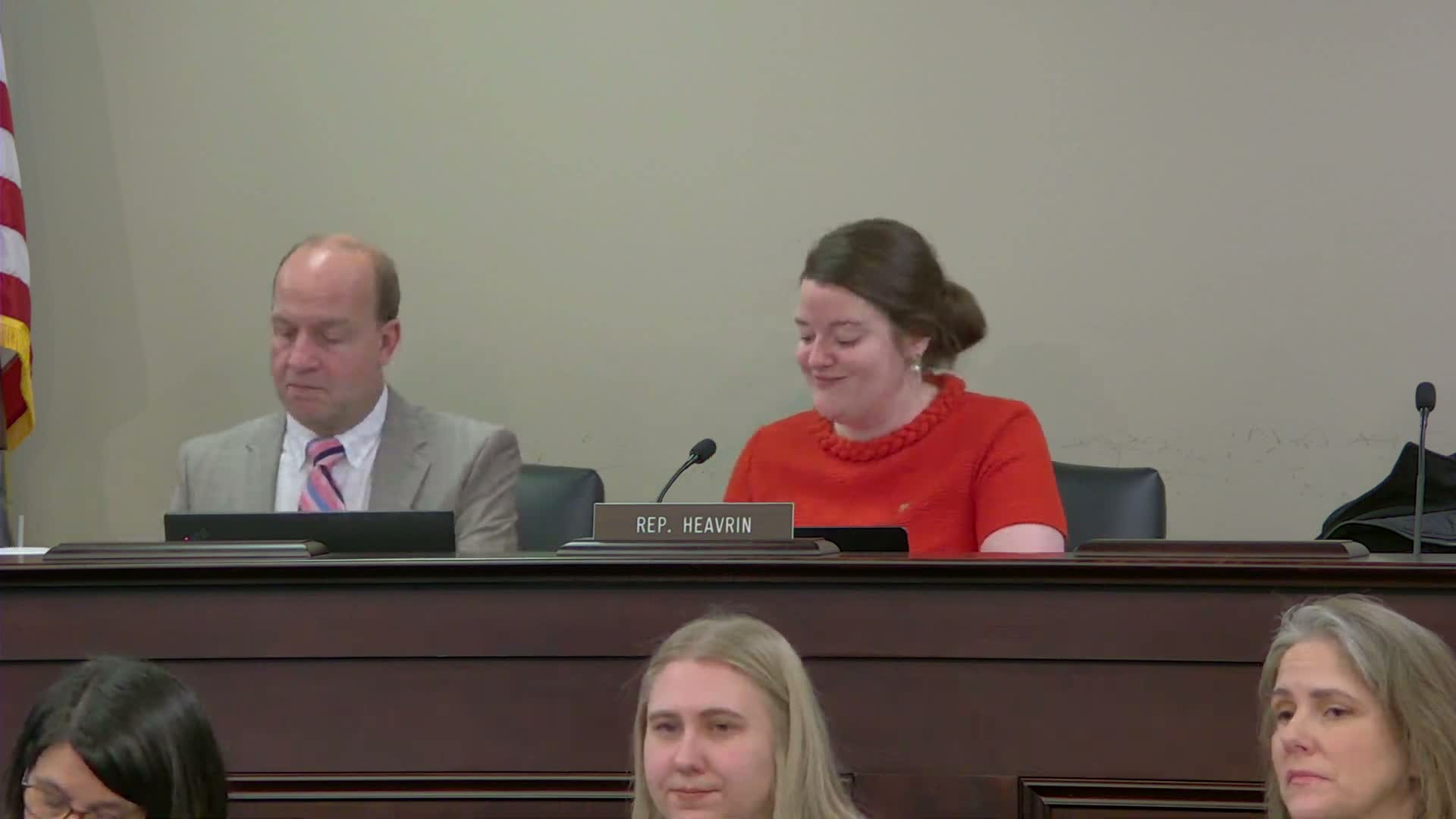
The House Families and Children Committee advanced House Bill 5 98, titled in the record the Family Representation and Advocacy Act, which would establish a Department of Family Representation and Advocacy to coordinate training, appointment, and oversight of guardians ad litem (GALs) and other court-appointed counsel.
Representative Stephanie Dietz described the bill’s structure: a department under the justice and public safety cabinet or organized by Supreme Court districts, governed by a nine-member Family Representation and Advocacy Commission, led by a director and supported by seven regional managers. The department could hire staff attorneys, enter contracts with private attorneys, law firms, nonprofit legal-service programs, and law-school clinics, and contract for complementary services such as social workers and targeted case management.
Shannon Moody summarized an interim study that convened judges, Administrative Office of the Courts members, community-services staff, youth with foster-care experience, and birth parents. The study found uneven GAL availability across counties, high caseloads, low compensation, and attrition in some areas. Nick Caprino of the Children’s Law Center described how statewide coordination could improve training, accountability, and efficiency; he urged committee passage.
Committee members questioned fiscal costs, potential conflicts of interest (for example, two attorneys from the same firm representing related family members), travel and assignment logistics in rural counties, and whether judges would lose appointment discretion. Dietz said the fiscal impact to set up the commission was estimated at $3,000,000; she said the bill directs the cabinet to pursue drawing down '4 e money' (as stated in the transcript) to support attorney payments and that GAL fee payments would likely be shifted, not increased, initially. She proposed using a pilot (urban, rural, and a judicial-structure variant) to test implementation.
After member explanations of their votes, the committee passed the bill with 10 yes votes, 1 no, 2 passes and 1 abstention and adjourned.
Representative Stephanie Dietz described the bill’s structure: a department under the justice and public safety cabinet or organized by Supreme Court districts, governed by a nine-member Family Representation and Advocacy Commission, led by a director and supported by seven regional managers. The department could hire staff attorneys, enter contracts with private attorneys, law firms, nonprofit legal-service programs, and law-school clinics, and contract for complementary services such as social workers and targeted case management.
Shannon Moody summarized an interim study that convened judges, Administrative Office of the Courts members, community-services staff, youth with foster-care experience, and birth parents. The study found uneven GAL availability across counties, high caseloads, low compensation, and attrition in some areas. Nick Caprino of the Children’s Law Center described how statewide coordination could improve training, accountability, and efficiency; he urged committee passage.
Committee members questioned fiscal costs, potential conflicts of interest (for example, two attorneys from the same firm representing related family members), travel and assignment logistics in rural counties, and whether judges would lose appointment discretion. Dietz said the fiscal impact to set up the commission was estimated at $3,000,000; she said the bill directs the cabinet to pursue drawing down '4 e money' (as stated in the transcript) to support attorney payments and that GAL fee payments would likely be shifted, not increased, initially. She proposed using a pilot (urban, rural, and a judicial-structure variant) to test implementation.
After member explanations of their votes, the committee passed the bill with 10 yes votes, 1 no, 2 passes and 1 abstention and adjourned.
Don't Miss a Word: See the Full Meeting!
Go beyond summaries. Unlock every video, transcript, and key insight with a Founder Membership.
✓
Get instant access to full meeting videos
✓
Search and clip any phrase from complete transcripts
✓
Receive AI-powered summaries & custom alerts
✓
Enjoy lifetime, unrestricted access to government data
30-day money-back guarantee
