Tempe board overturns similar-use ruling for Terawatt AV charging depot, urges industrial classification
February 26, 2026 | Tempe, Maricopa County, Arizona
This article was created by AI summarizing key points discussed. AI makes mistakes, so for full details and context, please refer to the video of the full meeting. Please report any errors so we can fix them. Report an error »
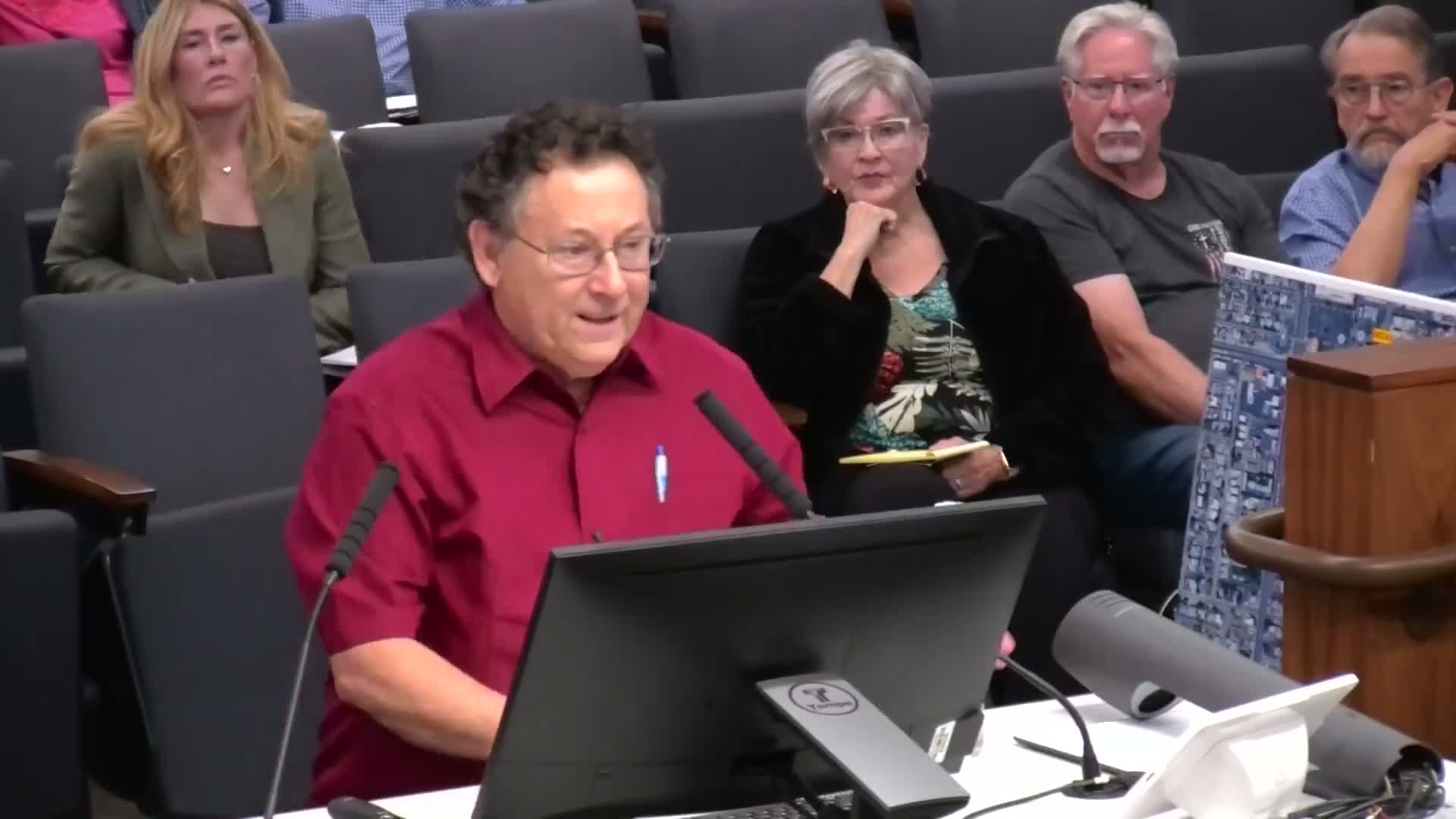
The Tempe Board of Adjustments voted Feb. 25 to grant an appeal of a zoning administrator's November similar-use ruling that had classified a proposed Terawatt autonomous vehicle (AV) fleet charging depot at 2105 South Terrace Road as a vehicle-based service allowed in the PCC-1 neighborhood commercial district with a use permit.
The decision follows more than three hours of presentations and nearly four hours of public comment in which nearby residents warned the depot's 44 charging stalls, associated transformer equipment and continuous vehicle movements could bring noise, traffic spillover onto narrow residential streets and heightened fire and hazardous-runoff risk. Terawatt's attorney, Wendy Riddell, urged the board to uphold the zoning administrator's test and treat the depot as analogous to modern taxi or ride-hailing dispatch, noting shared operational features such as automated dispatching and on-site operators.
Why it matters: The board's ruling removes the zoning-administrator classification that would have allowed the applicant to seek a use permit within PCC-1 and instead directs staff to treat the use more like a general industrial/fueling-type facility for future permitting. That change could limit where similar facilities may be sited in Tempe and signals the board's caution about placing high-capacity fleet charging infrastructure next to homes and schools.
What the board heard
- Appellants' counsel Heather Dukes told the board the November 21 similar-use ruling was erroneous because the depot is not consistent with PCC-1's neighborhood service purpose and is "more detrimental" than permitted neighborhood uses. "This use is more appropriate for an industrial type zoning district, or at a minimum, a PCC-2 general zoning district, not a neighborhood type use," Dukes said during her presentation.
- Neighbors described a range of localized concerns. Todd Smith, who said he has 20 years of public-safety experience, warned the site could draw "5 to 6 megawatts of power" at peak charging and described the risk of lithium-battery thermal runaway and toxic smoke in a densely populated area. "This is industrial infrastructure. This is not a donut shop," Smith said. Cheryl Smith focused on pedestrian and school safety near narrow streets and questioned enforcement of promised routing restrictions for AVs.
- Terawatt counsel Wendy Riddell and the applicant argued the depot functions like a modern taxi or ride-hailing dispatch center: customers request rides, an automated dispatch system coordinates vehicles, and on-site operators oversee operations. "It is a taxi dispatch," Riddell said, adding the ordinance's vehicle-based service category includes examples such as taxi, courier and ambulance dispatch.
- City staff (Senior Planner Chris Jasper and zoning administrator Ryan Levick referenced in the record) explained the zoning administrator evaluated whether any use not appearing in the code is "similar to and not more detrimental than" a listed use in PCC-1 and concluded the depot is most analogous to vehicle-based services. Staff emphasized that detailed operational impacts (noise, traffic circulation, fire mitigation) are to be addressed through the separate use-permit process.
Board reasoning and outcome
Board members expressed a mix of views during deliberations. Several said they were persuaded that the depot shares operational attributes with vehicle-based services; others said the scale, continuous 24/7 operations and energy/transformer equipment make it fundamentally different and more industrial in nature.
After discussion the board voted to grant the appeal and directed staff to consider the proposed use more like a general/industrial fueling or vehicle-service classification for zoning purposes rather than PCC-1 neighborhood commercial. The chair announced the board's direction as "general industrial." The record does not include a detailed roll-call tally for the final motion in these transcript excerpts; the minutes state simply that the motion passed and "Ayes have it." The board also noted that if the City Council needs to amend city code to address this new class of facilities, that is the appropriate legislative forum.
Responses and next steps
Terawatt representatives said they had included stipulations in the DRC-approved site plan and proposed use permit to limit noise and circulation impacts and to comply with fire-department mitigation measures. Appellants and many neighbors urged the city to require industrial siting or to create a new land-use category rather than allow similar facilities inside neighborhood-scale commercial zones.
The board's action on the similar-use appeal affects only how this type of use is classified in the zoning code; if the board had affirmed the zoning administrator, the applicant would proceed through the use-permit appeal path to council. Because the board directed staff toward an industrial-type classification, the applicant's current path to locate the depot in PCC-1 is effectively narrowed. City staff noted the use-permit and DRC record and any council action remain part of the administrative process.
The board adjourned and staff said the next Board of Adjustments hearing is scheduled for March 25, 2026.
Quotes representative of the hearing
- "This is industrial infrastructure. This is not a donut shop," Todd Smith (neighbor).
- "I would respectfully suggest to you that you should side with staff and their interpretation that any use not appearing in the code which is similar to (vehicle-based services) ... is akin to a taxi dispatch," Wendy Riddell (Terawatt counsel).
- "When a similar-use ruling is made, it is ... location agnostic ... and would be applied across the entire city," Chris Jasper (city senior planner).
What we do not know from this transcript
The published excerpt of the hearing does not capture a precise roll-call tally for the final motion to grant the appeal beyond the chair's announcement that the motion passed ("Ayes have it"). The board recorded an earlier, separate vote to approve meeting minutes ("7 passes") during opening business.
Context and implications
The board's direction to treat the proposed depot as a general/industrial-type use signals a cautious approach to placing high-capacity AV fleet charging centers next to residences and schools. The decision could prompt city staff or council to pursue targeted code changes or to identify industrial areas better suited for similar infrastructure. The applicant may still pursue other administrative or legislative remedies; any future use-permit or ordinance amendment would include additional staff reports and public hearings.
The decision follows more than three hours of presentations and nearly four hours of public comment in which nearby residents warned the depot's 44 charging stalls, associated transformer equipment and continuous vehicle movements could bring noise, traffic spillover onto narrow residential streets and heightened fire and hazardous-runoff risk. Terawatt's attorney, Wendy Riddell, urged the board to uphold the zoning administrator's test and treat the depot as analogous to modern taxi or ride-hailing dispatch, noting shared operational features such as automated dispatching and on-site operators.
Why it matters: The board's ruling removes the zoning-administrator classification that would have allowed the applicant to seek a use permit within PCC-1 and instead directs staff to treat the use more like a general industrial/fueling-type facility for future permitting. That change could limit where similar facilities may be sited in Tempe and signals the board's caution about placing high-capacity fleet charging infrastructure next to homes and schools.
What the board heard
- Appellants' counsel Heather Dukes told the board the November 21 similar-use ruling was erroneous because the depot is not consistent with PCC-1's neighborhood service purpose and is "more detrimental" than permitted neighborhood uses. "This use is more appropriate for an industrial type zoning district, or at a minimum, a PCC-2 general zoning district, not a neighborhood type use," Dukes said during her presentation.
- Neighbors described a range of localized concerns. Todd Smith, who said he has 20 years of public-safety experience, warned the site could draw "5 to 6 megawatts of power" at peak charging and described the risk of lithium-battery thermal runaway and toxic smoke in a densely populated area. "This is industrial infrastructure. This is not a donut shop," Smith said. Cheryl Smith focused on pedestrian and school safety near narrow streets and questioned enforcement of promised routing restrictions for AVs.
- Terawatt counsel Wendy Riddell and the applicant argued the depot functions like a modern taxi or ride-hailing dispatch center: customers request rides, an automated dispatch system coordinates vehicles, and on-site operators oversee operations. "It is a taxi dispatch," Riddell said, adding the ordinance's vehicle-based service category includes examples such as taxi, courier and ambulance dispatch.
- City staff (Senior Planner Chris Jasper and zoning administrator Ryan Levick referenced in the record) explained the zoning administrator evaluated whether any use not appearing in the code is "similar to and not more detrimental than" a listed use in PCC-1 and concluded the depot is most analogous to vehicle-based services. Staff emphasized that detailed operational impacts (noise, traffic circulation, fire mitigation) are to be addressed through the separate use-permit process.
Board reasoning and outcome
Board members expressed a mix of views during deliberations. Several said they were persuaded that the depot shares operational attributes with vehicle-based services; others said the scale, continuous 24/7 operations and energy/transformer equipment make it fundamentally different and more industrial in nature.
After discussion the board voted to grant the appeal and directed staff to consider the proposed use more like a general/industrial fueling or vehicle-service classification for zoning purposes rather than PCC-1 neighborhood commercial. The chair announced the board's direction as "general industrial." The record does not include a detailed roll-call tally for the final motion in these transcript excerpts; the minutes state simply that the motion passed and "Ayes have it." The board also noted that if the City Council needs to amend city code to address this new class of facilities, that is the appropriate legislative forum.
Responses and next steps
Terawatt representatives said they had included stipulations in the DRC-approved site plan and proposed use permit to limit noise and circulation impacts and to comply with fire-department mitigation measures. Appellants and many neighbors urged the city to require industrial siting or to create a new land-use category rather than allow similar facilities inside neighborhood-scale commercial zones.
The board's action on the similar-use appeal affects only how this type of use is classified in the zoning code; if the board had affirmed the zoning administrator, the applicant would proceed through the use-permit appeal path to council. Because the board directed staff toward an industrial-type classification, the applicant's current path to locate the depot in PCC-1 is effectively narrowed. City staff noted the use-permit and DRC record and any council action remain part of the administrative process.
The board adjourned and staff said the next Board of Adjustments hearing is scheduled for March 25, 2026.
Quotes representative of the hearing
- "This is industrial infrastructure. This is not a donut shop," Todd Smith (neighbor).
- "I would respectfully suggest to you that you should side with staff and their interpretation that any use not appearing in the code which is similar to (vehicle-based services) ... is akin to a taxi dispatch," Wendy Riddell (Terawatt counsel).
- "When a similar-use ruling is made, it is ... location agnostic ... and would be applied across the entire city," Chris Jasper (city senior planner).
What we do not know from this transcript
The published excerpt of the hearing does not capture a precise roll-call tally for the final motion to grant the appeal beyond the chair's announcement that the motion passed ("Ayes have it"). The board recorded an earlier, separate vote to approve meeting minutes ("7 passes") during opening business.
Context and implications
The board's direction to treat the proposed depot as a general/industrial-type use signals a cautious approach to placing high-capacity AV fleet charging centers next to residences and schools. The decision could prompt city staff or council to pursue targeted code changes or to identify industrial areas better suited for similar infrastructure. The applicant may still pursue other administrative or legislative remedies; any future use-permit or ordinance amendment would include additional staff reports and public hearings.
View the Full Meeting & All Its Details
This article offers just a summary. Unlock complete video, transcripts, and insights as a Founder Member.
✓
Watch full, unedited meeting videos
✓
Search every word spoken in unlimited transcripts
✓
AI summaries & real-time alerts (all government levels)
✓
Permanent access to expanding government content
30-day money-back guarantee
