House approves series of third‑reading bills and adopts Senate amendments on multiple measures
February 26, 2026 | 2026 Legislature VA, Virginia
This article was created by AI summarizing key points discussed. AI makes mistakes, so for full details and context, please refer to the video of the full meeting. Please report any errors so we can fix them. Report an error »
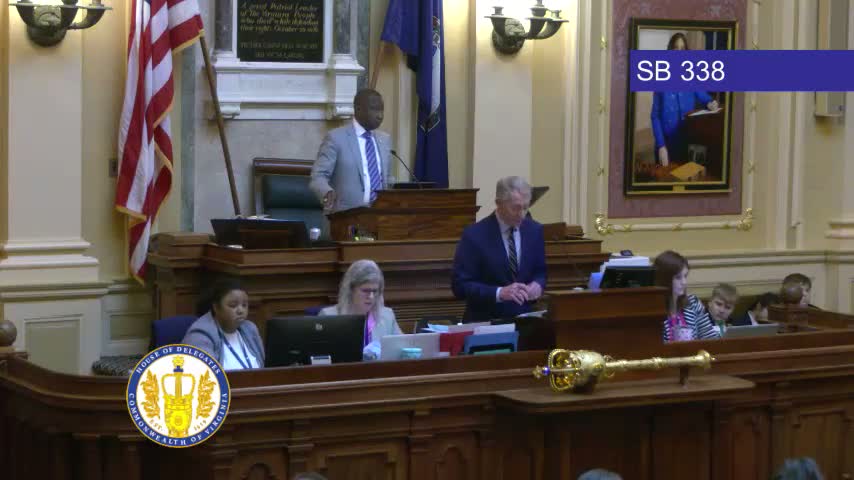
After concluding action on the budget, the House progressed through the third‑reading calendar and approved a number of bills with limited floor debate.
Notable outcomes included:
- Senate Bill 10 (apprenticeship expansion for 16–17 year olds): committee substitute agreed to and the bill passed (recorded vote: Ayes 96, Noes 1).
- Senate Bill 98 (work group on emergency management needs): passed (Ayes 97, Noes 0).
- Senate Bill 692 (Western Virginia Public Education Consortium updates): passed (Ayes 97, Noes 0) and noted as identical to a previously passed House bill.
- Senate Bill 88 (redistricting treatment of persons civilly committed to DBHDS facilities): passed (Ayes 94, Noes 0).
- Senate Bill 800 (Winchester Parking Authority Act amendments): passed (Ayes 95, Noes 0).
- Senate Bill 489 (virtual currency kiosk regulation, aligned with HB665): passed (Ayes 86, Noes 10).
The House also considered a set of house bills with senate amendments and adopted those amendments on recorded votes, including HB91 (limits on juvenile cell confinement), HB632 (kinship foster care barrier crime waiver reporting), HB1045 (mixed beverage license for Richmond performing arts facilities), HB1222 (audio requirement for child welfare interview recordings), and HB1226 (DMV data/fee clarifications). Vote tallies for those adoptions were generally in the mid‑to‑high 90s in favor.
Sponsors gave brief floor explanations for most bills and the clerk closed the rolls for recorded votes when requested. These approvals move the measures forward in the legislative process for concurrence, enrollment, or further action as required.
What’s next: bills that passed third reading proceed to the next procedural steps; items with committee substitutes or floor amendments may require technical corrections in enrollment.
Notable outcomes included:
- Senate Bill 10 (apprenticeship expansion for 16–17 year olds): committee substitute agreed to and the bill passed (recorded vote: Ayes 96, Noes 1).
- Senate Bill 98 (work group on emergency management needs): passed (Ayes 97, Noes 0).
- Senate Bill 692 (Western Virginia Public Education Consortium updates): passed (Ayes 97, Noes 0) and noted as identical to a previously passed House bill.
- Senate Bill 88 (redistricting treatment of persons civilly committed to DBHDS facilities): passed (Ayes 94, Noes 0).
- Senate Bill 800 (Winchester Parking Authority Act amendments): passed (Ayes 95, Noes 0).
- Senate Bill 489 (virtual currency kiosk regulation, aligned with HB665): passed (Ayes 86, Noes 10).
The House also considered a set of house bills with senate amendments and adopted those amendments on recorded votes, including HB91 (limits on juvenile cell confinement), HB632 (kinship foster care barrier crime waiver reporting), HB1045 (mixed beverage license for Richmond performing arts facilities), HB1222 (audio requirement for child welfare interview recordings), and HB1226 (DMV data/fee clarifications). Vote tallies for those adoptions were generally in the mid‑to‑high 90s in favor.
Sponsors gave brief floor explanations for most bills and the clerk closed the rolls for recorded votes when requested. These approvals move the measures forward in the legislative process for concurrence, enrollment, or further action as required.
What’s next: bills that passed third reading proceed to the next procedural steps; items with committee substitutes or floor amendments may require technical corrections in enrollment.
View the Full Meeting & All Its Details
This article offers just a summary. Unlock complete video, transcripts, and insights as a Founder Member.
✓
Watch full, unedited meeting videos
✓
Search every word spoken in unlimited transcripts
✓
AI summaries & real-time alerts (all government levels)
✓
Permanent access to expanding government content
30-day money-back guarantee
