Utah House approves bill shifting school construction oversight to DFCM, 60–13
February 26, 2026 | 2026 Utah Legislature, Utah Legislature, Utah Legislative Branch, Utah
This article was created by AI summarizing key points discussed. AI makes mistakes, so for full details and context, please refer to the video of the full meeting. Please report any errors so we can fix them. Report an error »
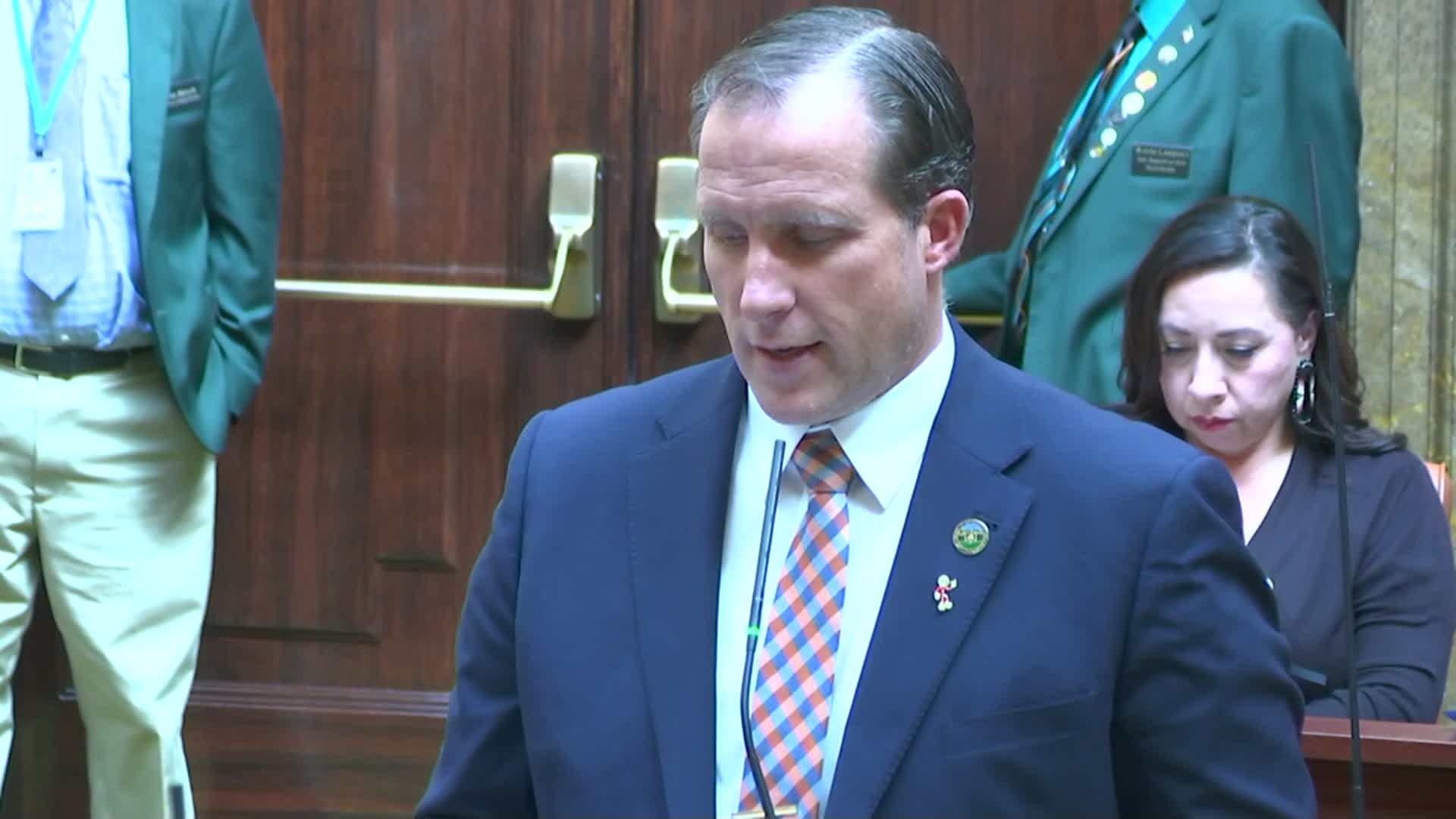
The Utah House on Feb. 26 approved second substitute Senate Bill 164, transferring public‑school construction oversight from the State Board of Education to the Division of Facilities Construction and Management (DFCM) by a recorded vote of 60–13.
Sponsor Representative Tom Peterson said the bill establishes four central goals: construction oversight through plan review and inspection; cost controls via a cost matrix and benchmarks; standardized design prototypes and uniform reporting; and comprehensive data collection. "These are the most important buildings that we build in our state," Peterson said, arguing DFCM houses the professional capacity to manage complex school projects.
Why it matters: Supporters said centralized oversight and a statewide plan repository could reduce duplicated design costs and give resource‑poor districts access to proven plans. Representative Kristofferson said the proposal would let local education agencies use pre‑designed plans from a state ‘plan rack,’ which he said helps districts with limited capacity. Peterson told colleagues the bill phases in requirements: DFCM must have comprehensive rules, systems and training in place by Jan. 1, 2027; full LEA compliance begins July 1, 2027; and cost‑database reporting is required by July 1, 2030.
Opposition and concerns: Representative Cutler warned the bill risks increasing construction costs and extending project timelines, saying higher performance standards and added administrative oversight can raise expense and reduce local control. "What we are doing is improving the quality of the school buildings ... but that also means that there will ... be a likely cost increase," Cutler said. Representative Bach cited a 120‑page audit finding that many projects began without permits and stressed the legislation addresses accountability and student safety.
Implementation details: Under the bill, school districts or charter schools seeking to build must obtain DFCM approval at specified decision points, including architectural contract approval (with DFCM verification of fees), pre‑construction cost matrix review, plan review and permit coordination with code and fire‑safety authorities, contract approval for projects exceeding $1 million (with benchmark comparisons), and issuance of certificates of occupancy by DFCM. The measure includes delegated authority for qualified LEAs and an appeals process.
Outcome and next steps: The House closed debate, recorded the 60–13 passage and will transmit the signed bill to the Senate for the President’s signature. The bill’s phased dates start in mid‑2026 for some requirements and extend to 2030 for the statewide cost database.
Sponsor Representative Tom Peterson said the bill establishes four central goals: construction oversight through plan review and inspection; cost controls via a cost matrix and benchmarks; standardized design prototypes and uniform reporting; and comprehensive data collection. "These are the most important buildings that we build in our state," Peterson said, arguing DFCM houses the professional capacity to manage complex school projects.
Why it matters: Supporters said centralized oversight and a statewide plan repository could reduce duplicated design costs and give resource‑poor districts access to proven plans. Representative Kristofferson said the proposal would let local education agencies use pre‑designed plans from a state ‘plan rack,’ which he said helps districts with limited capacity. Peterson told colleagues the bill phases in requirements: DFCM must have comprehensive rules, systems and training in place by Jan. 1, 2027; full LEA compliance begins July 1, 2027; and cost‑database reporting is required by July 1, 2030.
Opposition and concerns: Representative Cutler warned the bill risks increasing construction costs and extending project timelines, saying higher performance standards and added administrative oversight can raise expense and reduce local control. "What we are doing is improving the quality of the school buildings ... but that also means that there will ... be a likely cost increase," Cutler said. Representative Bach cited a 120‑page audit finding that many projects began without permits and stressed the legislation addresses accountability and student safety.
Implementation details: Under the bill, school districts or charter schools seeking to build must obtain DFCM approval at specified decision points, including architectural contract approval (with DFCM verification of fees), pre‑construction cost matrix review, plan review and permit coordination with code and fire‑safety authorities, contract approval for projects exceeding $1 million (with benchmark comparisons), and issuance of certificates of occupancy by DFCM. The measure includes delegated authority for qualified LEAs and an appeals process.
Outcome and next steps: The House closed debate, recorded the 60–13 passage and will transmit the signed bill to the Senate for the President’s signature. The bill’s phased dates start in mid‑2026 for some requirements and extend to 2030 for the statewide cost database.
View the Full Meeting & All Its Details
This article offers just a summary. Unlock complete video, transcripts, and insights as a Founder Member.
✓
Watch full, unedited meeting videos
✓
Search every word spoken in unlimited transcripts
✓
AI summaries & real-time alerts (all government levels)
✓
Permanent access to expanding government content
30-day money-back guarantee
