Committee advances HB 111 to reduce harvest-reporting fines, broaden public notice and require grizzly notification
February 26, 2026 | 2026 Utah Legislature, Utah Legislature, Utah Legislative Branch, Utah
This article was created by AI summarizing key points discussed. AI makes mistakes, so for full details and context, please refer to the video of the full meeting. Please report any errors so we can fix them. Report an error »
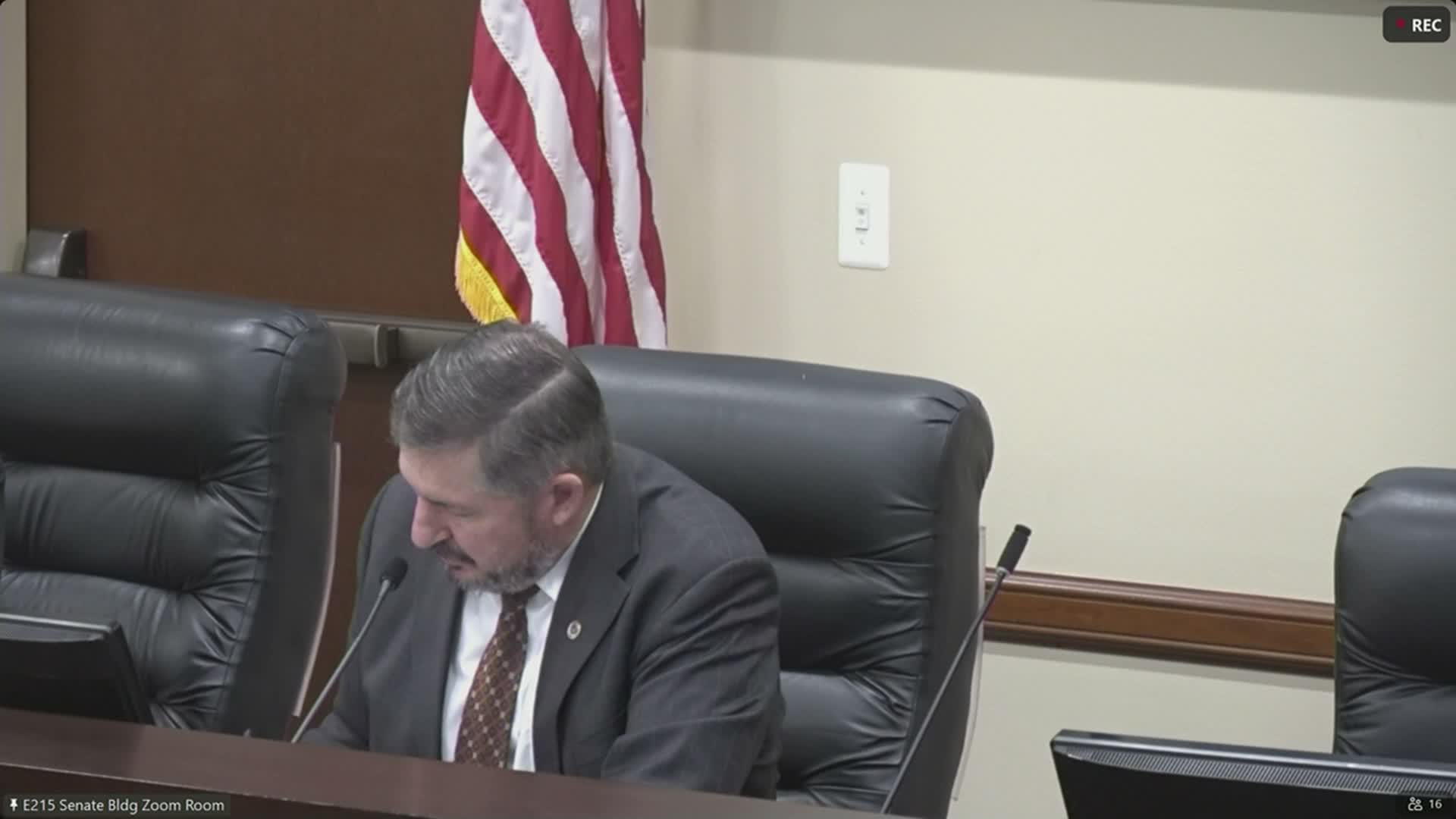
The Senate Natural Resources Committee voted to advance House Bill 111 (first substitute), a recurring wildlife cleanup bill that makes multiple technical and policy changes to Division of Wildlife Resources (DWR) rules and enforcement.
Representative Bollander, sponsor of HB 111, summarized four primary changes: (1) cap a late harvest-reporting penalty at $25 (down from a $50 penalty that some legislators said exceeded permit costs); (2) allow DWR to broaden public-notice methods when acquiring real property; (3) require DWR to notify the U.S. Fish and Wildlife Service if a grizzly bear enters Utah; and (4) reduce the required distance for discharging a weapon near structures in Wildlife Management Areas from 600 feet to 300 feet.
Justin Shannon of the Division of Wildlife Resources explained the agency's reasoning: after hunting seasons, third-party vendors and call campaigns provided harvest data but declining response rates reduced reporting accuracy. Shannon said voluntary reporting within 30 days currently avoids a fee and that the fee was intended as an incentive to ensure timely harvest reporting: "So right now, there's no fee if you report within 30 days." He told the committee DWR has mitigation biologists and an online wildlife habitat assessment tool to support implementation.
Matt Anderson, director of the Utah Sportsman's Caucus, testified in support: "It's a wonderful bill and we really appreciate the sponsor engaging with us." Committee members discussed whether the fee was an appropriate behavioral incentive or whether additional outreach and shorter penalty windows might secure better compliance without unduly burdening low-income hunting families.
After public comment and discussion, the committee adopted the amendment limiting the fee and moved HB 111 to the full Senate with a favorable recommendation; the chair reported passage "3 to 1."
Representative Bollander, sponsor of HB 111, summarized four primary changes: (1) cap a late harvest-reporting penalty at $25 (down from a $50 penalty that some legislators said exceeded permit costs); (2) allow DWR to broaden public-notice methods when acquiring real property; (3) require DWR to notify the U.S. Fish and Wildlife Service if a grizzly bear enters Utah; and (4) reduce the required distance for discharging a weapon near structures in Wildlife Management Areas from 600 feet to 300 feet.
Justin Shannon of the Division of Wildlife Resources explained the agency's reasoning: after hunting seasons, third-party vendors and call campaigns provided harvest data but declining response rates reduced reporting accuracy. Shannon said voluntary reporting within 30 days currently avoids a fee and that the fee was intended as an incentive to ensure timely harvest reporting: "So right now, there's no fee if you report within 30 days." He told the committee DWR has mitigation biologists and an online wildlife habitat assessment tool to support implementation.
Matt Anderson, director of the Utah Sportsman's Caucus, testified in support: "It's a wonderful bill and we really appreciate the sponsor engaging with us." Committee members discussed whether the fee was an appropriate behavioral incentive or whether additional outreach and shorter penalty windows might secure better compliance without unduly burdening low-income hunting families.
After public comment and discussion, the committee adopted the amendment limiting the fee and moved HB 111 to the full Senate with a favorable recommendation; the chair reported passage "3 to 1."
Don't Miss a Word: See the Full Meeting!
Go beyond summaries. Unlock every video, transcript, and key insight with a Founder Membership.
✓
Get instant access to full meeting videos
✓
Search and clip any phrase from complete transcripts
✓
Receive AI-powered summaries & custom alerts
✓
Enjoy lifetime, unrestricted access to government data
30-day money-back guarantee
