Committee advances bill requiring endorsements for heavy‑duty recovery operators
February 26, 2026 | 2026 Utah Legislature, Utah Legislature, Utah Legislative Branch, Utah
This article was created by AI summarizing key points discussed. AI makes mistakes, so for full details and context, please refer to the video of the full meeting. Please report any errors so we can fix them. Report an error »
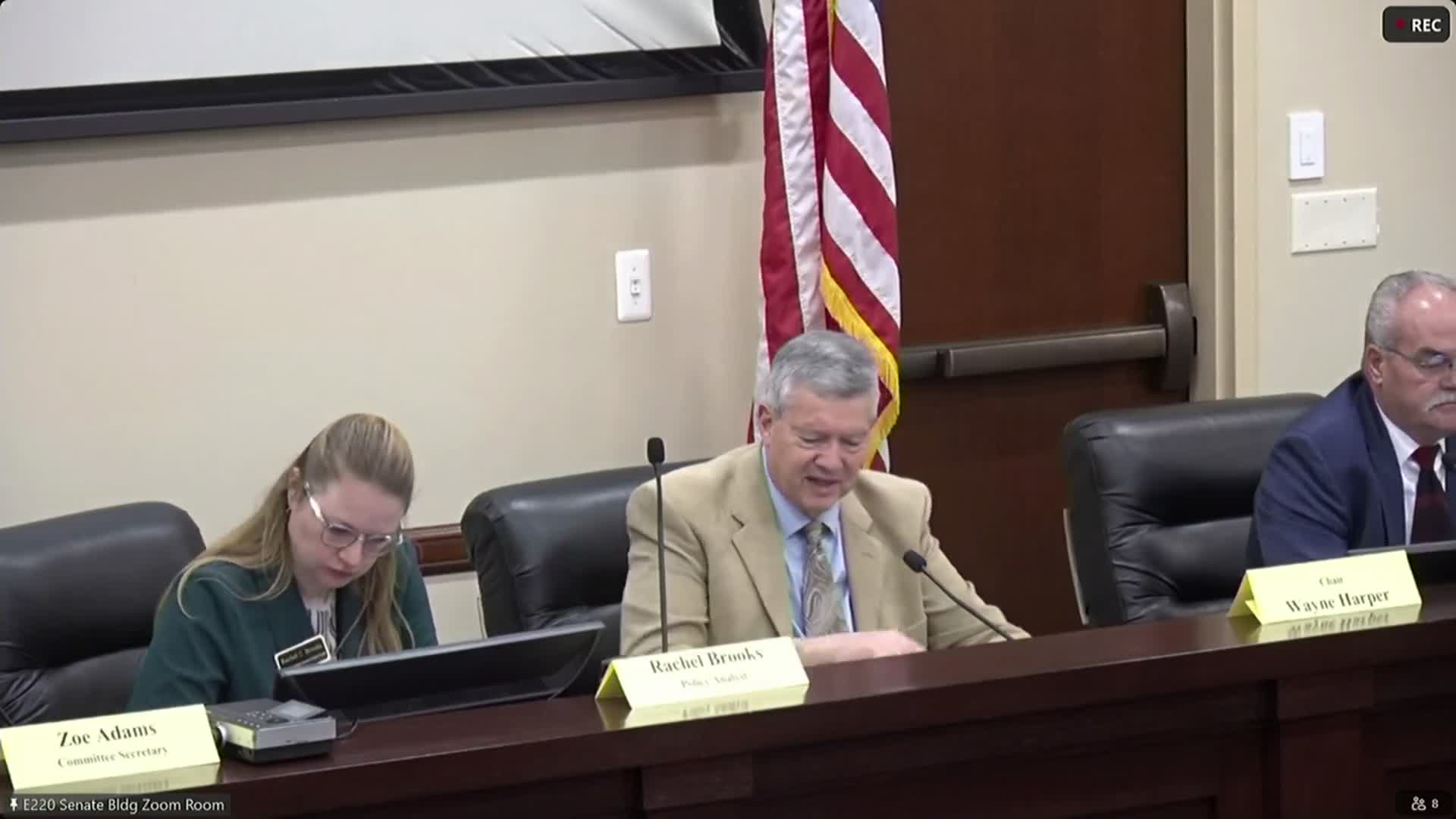
Representative Kristofferson presented House Bill 336 to address a growing problem for heavy‑duty recovery operators who work scenes that are more complex than a simple tow. He said recovery operators frequently respond to emergencies at all hours and sometimes do not get paid for the work. The sponsor described the bill’s key points: require an endorsement to liability insurance (minimum amount discussed at $40,000), clarify that powertrain coverage is primary where appropriate, provide dispute resolution for contested bills, and allow invoices that overcharge beyond state allowable rates to be voided.
Jesse Stauffer of Stauffer's Road Solutions testified that recovery operators often respond to dangerous, time‑sensitive incidents and face rising costs and unpaid bills. "When we go out and we do these recoveries...we can't keep up doing these recoveries without some form of compensation," he said. Industry witnesses included Mike Sontag (APCIA) and Dave Callas (National Association of Mutual Insurance Companies), who noted concerns about implementation and market availability of the specific endorsement. Callas said this approach is uncommon in other states and flagged that insurers need time to price and offer the new endorsement.
The committee unanimously adopted a technical amendment (changing 'rider' to 'endorsement') and then passed the bill (second substitute, as amended) to the floor with a favorable recommendation. Sponsors and witnesses noted a delayed effective date to give insurers time to adapt.
Next steps: HB336 moves to the Senate floor. Stakeholders indicated they will continue work on endorsement availability and dispute‑resolution mechanics.
Jesse Stauffer of Stauffer's Road Solutions testified that recovery operators often respond to dangerous, time‑sensitive incidents and face rising costs and unpaid bills. "When we go out and we do these recoveries...we can't keep up doing these recoveries without some form of compensation," he said. Industry witnesses included Mike Sontag (APCIA) and Dave Callas (National Association of Mutual Insurance Companies), who noted concerns about implementation and market availability of the specific endorsement. Callas said this approach is uncommon in other states and flagged that insurers need time to price and offer the new endorsement.
The committee unanimously adopted a technical amendment (changing 'rider' to 'endorsement') and then passed the bill (second substitute, as amended) to the floor with a favorable recommendation. Sponsors and witnesses noted a delayed effective date to give insurers time to adapt.
Next steps: HB336 moves to the Senate floor. Stakeholders indicated they will continue work on endorsement availability and dispute‑resolution mechanics.
View the Full Meeting & All Its Details
This article offers just a summary. Unlock complete video, transcripts, and insights as a Founder Member.
✓
Watch full, unedited meeting videos
✓
Search every word spoken in unlimited transcripts
✓
AI summaries & real-time alerts (all government levels)
✓
Permanent access to expanding government content
30-day money-back guarantee
