Committee approves overhaul to higher‑education funding model that ties enrollment to instructional cost
February 26, 2026 | 2026 Utah Legislature, Utah Legislature, Utah Legislative Branch, Utah
This article was created by AI summarizing key points discussed. AI makes mistakes, so for full details and context, please refer to the video of the full meeting. Please report any errors so we can fix them. Report an error »
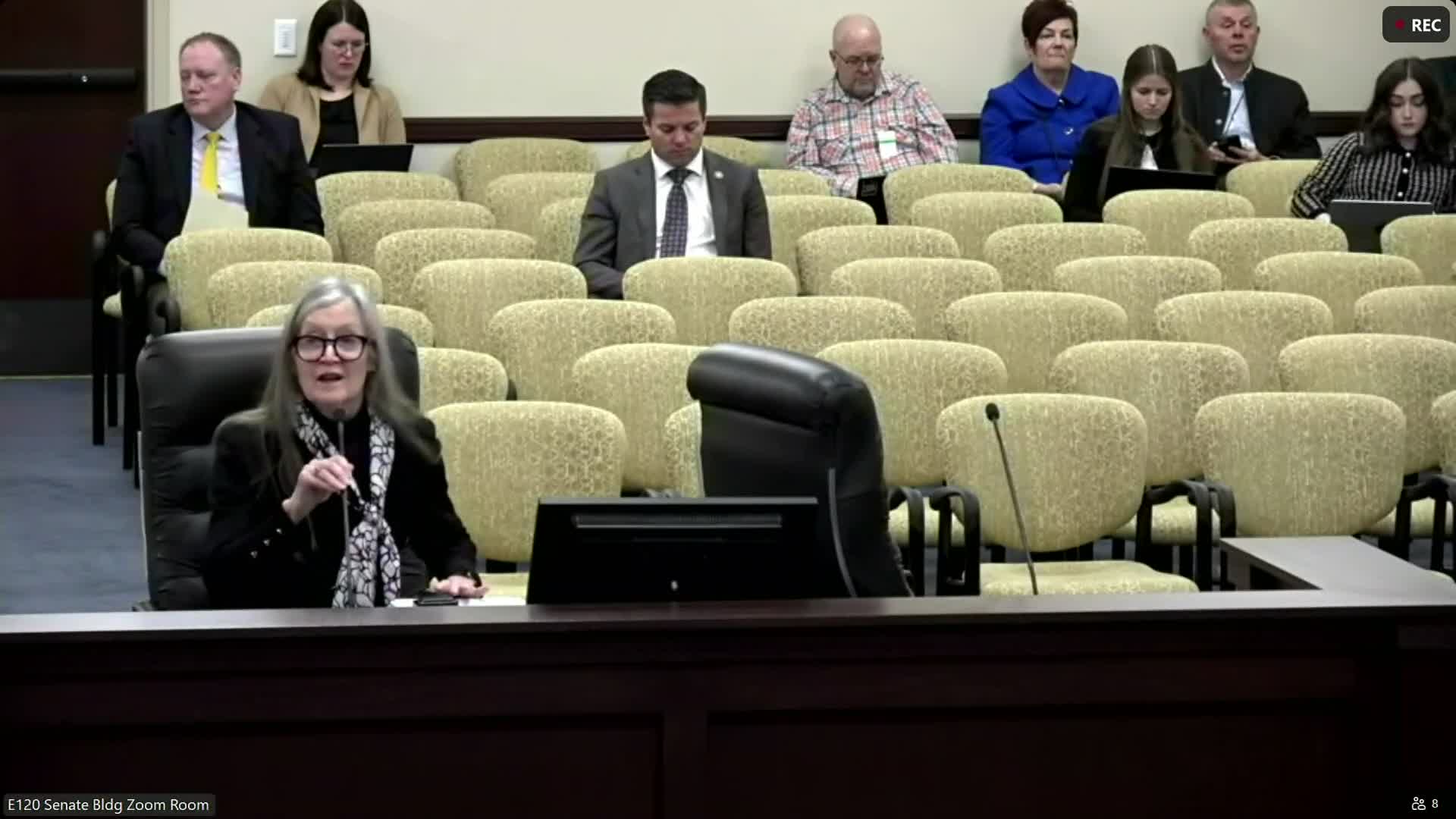
The House Education Standing Committee unanimously recommended favorably on Feb. 26 for Senate Bill 216, which revises higher‑education performance and enrollment funding. Sponsor Senator Milner said the bill refines the state’s performance funding model by differentiating priorities by institution type (research, regional, community/technical) and proposes enrollment funding that reflects the relative cost of instruction at different program levels.
Senator Milner said the model would not start until after 2027 to allow institutions planning time and would provide a baseline year so campuses can adjust to changes. "One of the things that higher education appropriations was asked to do was to relook at our performance funding model," Milner said, adding the proposal emphasizes completion, high‑demand job areas and research where appropriate.
Milner told the committee the bill introduces a framework for capacity funding at technical colleges based on documented wait lists and seeks to use average cost data rather than historical budget shares when allocating enrollment funds.
Committee members asked about fiscal impacts and whether the model would account for rural or other cost differences. Milner said the proposal uses cost averages to reflect higher and lower instructional costs rather than funding strictly by historical budget share.
Representative Miller moved to pass SB216 with a favorable recommendation; the committee voted unanimously in favor.
Senator Milner said the model would not start until after 2027 to allow institutions planning time and would provide a baseline year so campuses can adjust to changes. "One of the things that higher education appropriations was asked to do was to relook at our performance funding model," Milner said, adding the proposal emphasizes completion, high‑demand job areas and research where appropriate.
Milner told the committee the bill introduces a framework for capacity funding at technical colleges based on documented wait lists and seeks to use average cost data rather than historical budget shares when allocating enrollment funds.
Committee members asked about fiscal impacts and whether the model would account for rural or other cost differences. Milner said the proposal uses cost averages to reflect higher and lower instructional costs rather than funding strictly by historical budget share.
Representative Miller moved to pass SB216 with a favorable recommendation; the committee voted unanimously in favor.
View the Full Meeting & All Its Details
This article offers just a summary. Unlock complete video, transcripts, and insights as a Founder Member.
✓
Watch full, unedited meeting videos
✓
Search every word spoken in unlimited transcripts
✓
AI summaries & real-time alerts (all government levels)
✓
Permanent access to expanding government content
30-day money-back guarantee
