Human Services committee tells Appropriations: prioritize food, shelter and safety; restores targeted programs
February 26, 2026 | Appropriations, HOUSE OF REPRESENTATIVES, Committees, Legislative , Vermont
This article was created by AI summarizing key points discussed. AI makes mistakes, so for full details and context, please refer to the video of the full meeting. Please report any errors so we can fix them. Report an error »
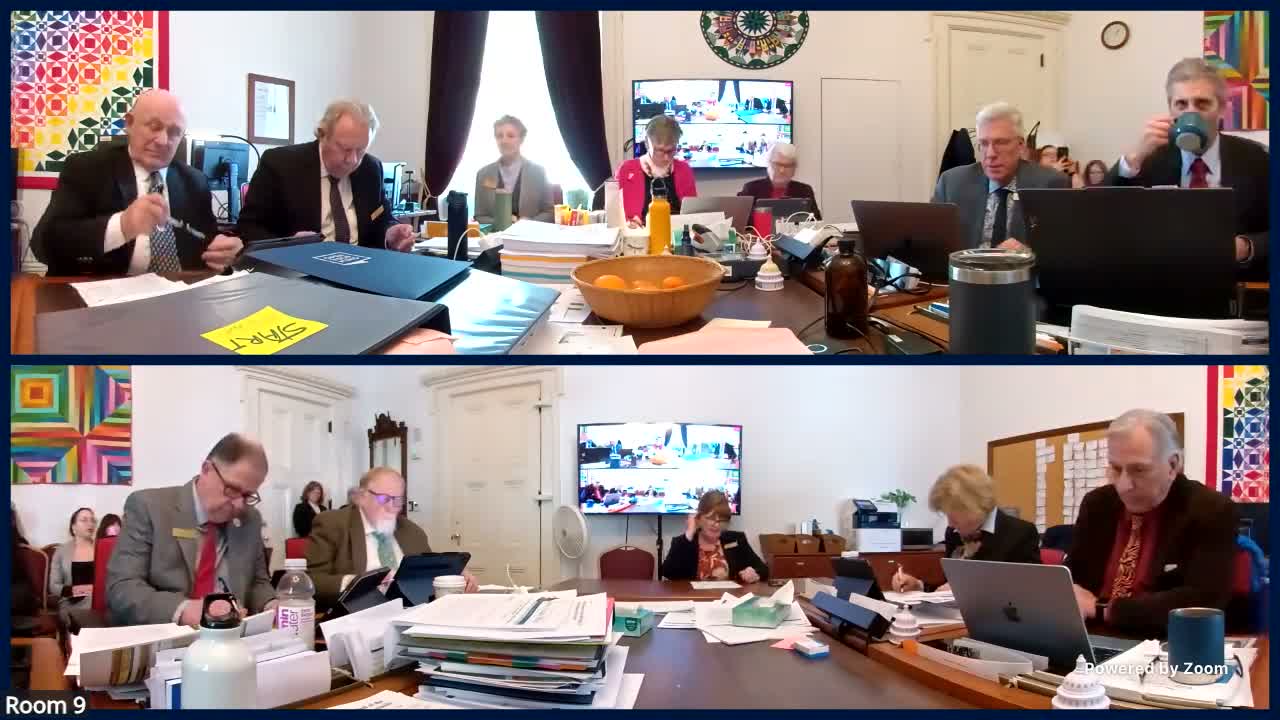
The chair of the House Human Services Committee presented the committee’s budget letter to the House Appropriations Committee on Feb. 26, saying the panel ‘‘prioritized the basics of food, shelter, and safety’’ as it set FY27 recommendations and that one‑time federal dollars are drying up.
The letter recommends no cost‑of‑living adjustments (COLAs) for community providers this year, a decision the chair described as painful but unavoidable because the committee ‘‘could not find offsetting cuts for the amount of money that that would require.’’ The committee emphasized it views that omission as a reduction for providers, not an endorsement of leaving rates unchanged.
On specific line items, the committee proposed a number of targeted restorations and new allocations. The largest single dollar change in the child‑care area is a $6.2 million general‑fund increase for the Child Care Financial Assistance Program after the committee said the program became an entitlement and enrollment expanded (the chair said roughly 1,200 new slots have opened). The letter identifies insufficient contribution‑fund revenue to cover the program’s expenses.
The committee also highlighted several human‑services gaps and recommended funding or policy language: it flagged a transfer of about $1.5 million from DCF to the Department of Mental Health that the chair said will leave ‘‘more than 400 individuals’’ without current‑level services. Members pressed for details and JFO was asked to provide a full positions list where limited‑service staff were proposed.
On homelessness and community supports, the chair called out a proposed $650,000 reduction to the Chittenden County Community Resource Center (operated by the Champlain Valley Office of Economic Opportunity) and warned that facility cuts would worsen daytime supports for people experiencing homelessness. The committee recommended tapping carry‑forward DCF funds to make a one‑time appropriation to End Homelessness Vermont for disability‑focused peer case management and placement services, saying the organization had documented success placing 82 qualifying people into permanent housing with low recidivism.
The letter seeks $249,300 to stabilize six supervised‑visitation sites and to open two additional sites covering central counties, proposing to transfer $137,500 identified in the Center for Crime Victim Services budget and the remainder from CHINS‑related tobacco settlement funds. The chair said the transfer and language are meant to ensure the service is not disrupted in counties that have no supervised‑visitation options.
For seniors and long‑term care, the committee recommended $1,000,000 in general‑fund support for Meals on Wheels programs statewide (the presentation referenced a 2024 rate study and estimated per‑meal costs of roughly $13.50). The committee also urged separating the Choices for Care nursing‑home and community‑based budgets in future years so community supports are not crowded out by nursing‑home automatic increases.
Members raised questions about the administration’s ‘‘adverse weather’’ policy changes for shelter access and about a high‑cost youth residential contract the letter said costs approximately $4,000 a day per child; the committee said it wants renegotiation and clearer long‑term cost estimates before committing to a larger youth campus plan.
The Human Services chair asked Appropriations to consider the committee’s language and noted follow‑up items (JFO position lists; clarification of SASH and other administrative placements). No formal floor votes on these committee letter recommendations were recorded during the presentation; the chair closed by inviting further consultation and by distributing the report language that will accompany the budget recommendations.
The committee’s recommendations will be considered alongside other appropriations decisions as the House moves toward crossover and the FY27 budget timetable.
The letter recommends no cost‑of‑living adjustments (COLAs) for community providers this year, a decision the chair described as painful but unavoidable because the committee ‘‘could not find offsetting cuts for the amount of money that that would require.’’ The committee emphasized it views that omission as a reduction for providers, not an endorsement of leaving rates unchanged.
On specific line items, the committee proposed a number of targeted restorations and new allocations. The largest single dollar change in the child‑care area is a $6.2 million general‑fund increase for the Child Care Financial Assistance Program after the committee said the program became an entitlement and enrollment expanded (the chair said roughly 1,200 new slots have opened). The letter identifies insufficient contribution‑fund revenue to cover the program’s expenses.
The committee also highlighted several human‑services gaps and recommended funding or policy language: it flagged a transfer of about $1.5 million from DCF to the Department of Mental Health that the chair said will leave ‘‘more than 400 individuals’’ without current‑level services. Members pressed for details and JFO was asked to provide a full positions list where limited‑service staff were proposed.
On homelessness and community supports, the chair called out a proposed $650,000 reduction to the Chittenden County Community Resource Center (operated by the Champlain Valley Office of Economic Opportunity) and warned that facility cuts would worsen daytime supports for people experiencing homelessness. The committee recommended tapping carry‑forward DCF funds to make a one‑time appropriation to End Homelessness Vermont for disability‑focused peer case management and placement services, saying the organization had documented success placing 82 qualifying people into permanent housing with low recidivism.
The letter seeks $249,300 to stabilize six supervised‑visitation sites and to open two additional sites covering central counties, proposing to transfer $137,500 identified in the Center for Crime Victim Services budget and the remainder from CHINS‑related tobacco settlement funds. The chair said the transfer and language are meant to ensure the service is not disrupted in counties that have no supervised‑visitation options.
For seniors and long‑term care, the committee recommended $1,000,000 in general‑fund support for Meals on Wheels programs statewide (the presentation referenced a 2024 rate study and estimated per‑meal costs of roughly $13.50). The committee also urged separating the Choices for Care nursing‑home and community‑based budgets in future years so community supports are not crowded out by nursing‑home automatic increases.
Members raised questions about the administration’s ‘‘adverse weather’’ policy changes for shelter access and about a high‑cost youth residential contract the letter said costs approximately $4,000 a day per child; the committee said it wants renegotiation and clearer long‑term cost estimates before committing to a larger youth campus plan.
The Human Services chair asked Appropriations to consider the committee’s language and noted follow‑up items (JFO position lists; clarification of SASH and other administrative placements). No formal floor votes on these committee letter recommendations were recorded during the presentation; the chair closed by inviting further consultation and by distributing the report language that will accompany the budget recommendations.
The committee’s recommendations will be considered alongside other appropriations decisions as the House moves toward crossover and the FY27 budget timetable.
Don't Miss a Word: See the Full Meeting!
Go beyond summaries. Unlock every video, transcript, and key insight with a Founder Membership.
✓
Get instant access to full meeting videos
✓
Search and clip any phrase from complete transcripts
✓
Receive AI-powered summaries & custom alerts
✓
Enjoy lifetime, unrestricted access to government data
30-day money-back guarantee
