Workshop stresses site-specific monitoring, emergency plans and tiered review for battery storage projects
February 26, 2026 | Grand Island, Erie County, New York
This article was created by AI summarizing key points discussed. AI makes mistakes, so for full details and context, please refer to the video of the full meeting. Please report any errors so we can fix them. Report an error »
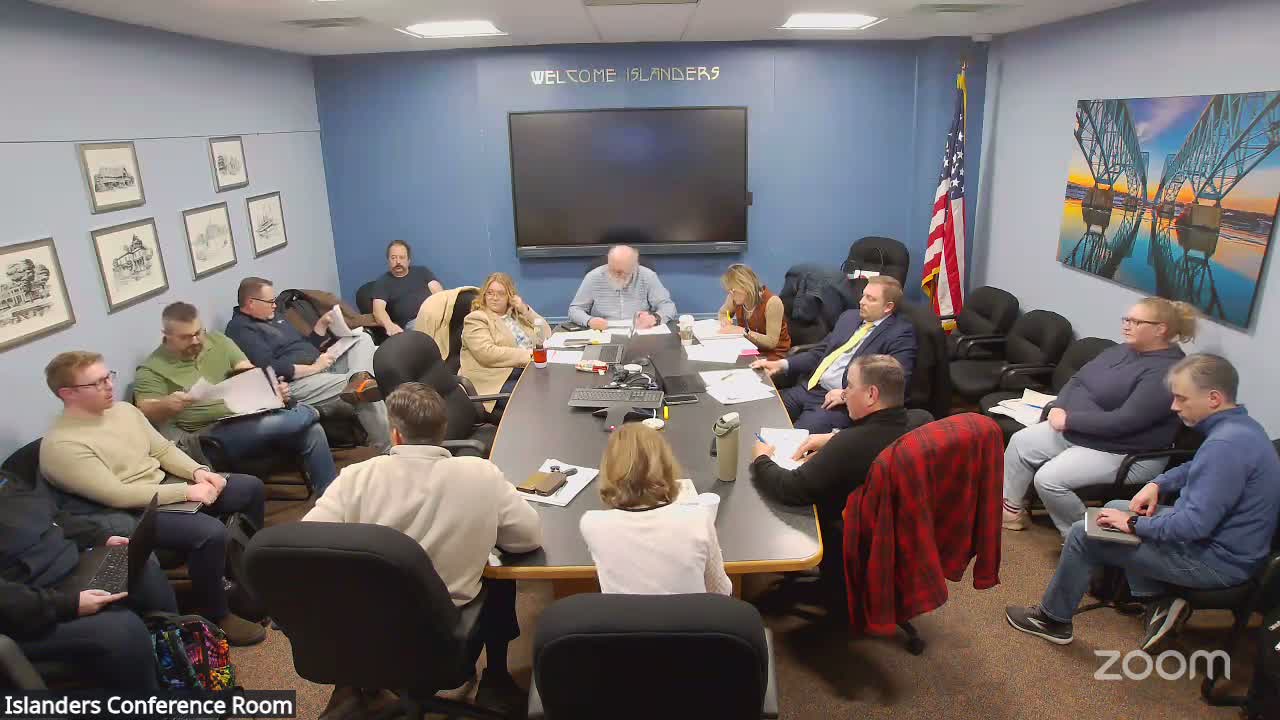
Speakers at the Grand Island workshop highlighted operational safety as a central mechanism to manage risk: continuous monitoring, emergency procedures, annual review and insurance were discussed as primary tools.
Developer representatives described modern battery systems (lithium iron phosphate) with cell/module/cabinet designs, multi-layer firewalls and 24/7 thermal monitoring that can trigger shutdowns or alerts. A developer said a monitoring center would contact stakeholders and local fire departments under an emergency operating procedure submitted with applications.
Workshop participants agreed that the draft should require operation and maintenance plans, emergency response plans and decommissioning plans—particularly for tier 3 facilities. Annual permit renewals with inspection submissions were favored as routine compliance checks so planning staff can confirm systems remain operational and that training and screening requirements are met.
Conservation and environment representatives asked about emissions monitoring and cleanup responsibility in the case of a release; developers and staff said site restoration and cleanup responsibility would be addressed in decommissioning plans and by surety instruments; developers also noted they carry insurance and that salvage value and manufacturer arrangements can reduce net removal costs.
No specific monitoring technology mandate or cleanup fund was adopted; staff will refine required plan elements for tiered review in the next draft.
Developer representatives described modern battery systems (lithium iron phosphate) with cell/module/cabinet designs, multi-layer firewalls and 24/7 thermal monitoring that can trigger shutdowns or alerts. A developer said a monitoring center would contact stakeholders and local fire departments under an emergency operating procedure submitted with applications.
Workshop participants agreed that the draft should require operation and maintenance plans, emergency response plans and decommissioning plans—particularly for tier 3 facilities. Annual permit renewals with inspection submissions were favored as routine compliance checks so planning staff can confirm systems remain operational and that training and screening requirements are met.
Conservation and environment representatives asked about emissions monitoring and cleanup responsibility in the case of a release; developers and staff said site restoration and cleanup responsibility would be addressed in decommissioning plans and by surety instruments; developers also noted they carry insurance and that salvage value and manufacturer arrangements can reduce net removal costs.
No specific monitoring technology mandate or cleanup fund was adopted; staff will refine required plan elements for tiered review in the next draft.
View the Full Meeting & All Its Details
This article offers just a summary. Unlock complete video, transcripts, and insights as a Founder Member.
✓
Watch full, unedited meeting videos
✓
Search every word spoken in unlimited transcripts
✓
AI summaries & real-time alerts (all government levels)
✓
Permanent access to expanding government content
30-day money-back guarantee
