Committee passes transportation omnibus after votes on micromobility, milk‑truck pilot and low‑carbon fuel amendment
February 16, 2026 | Legislative, Oregon
This article was created by AI summarizing key points discussed. AI makes mistakes, so for full details and context, please refer to the video of the full meeting. Please report any errors so we can fix them. Report an error »
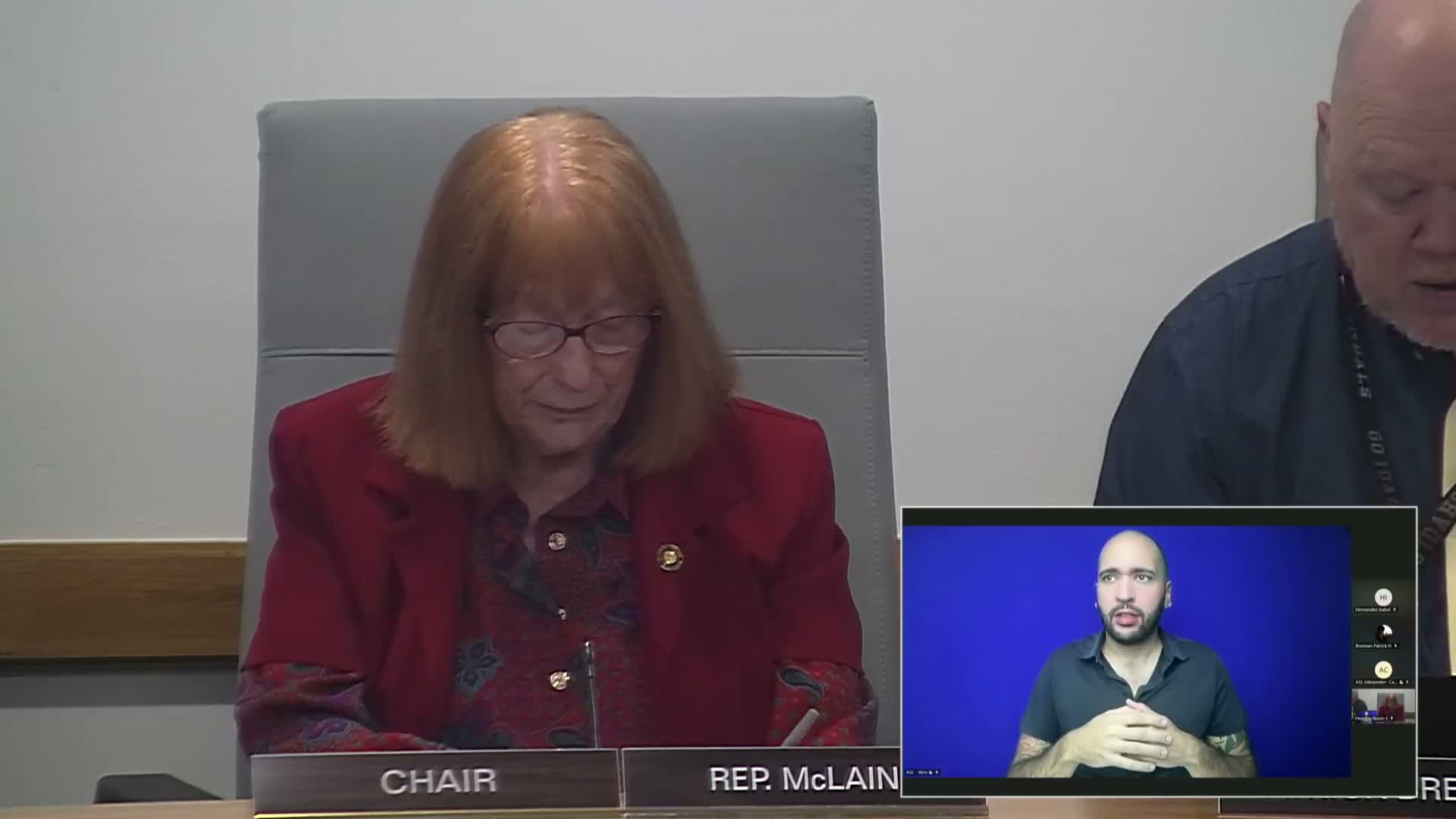
The House Committee on Transportation passed House Bill 4,007, an omnibus transportation measure, after adopting several amendments that changed reporting dates, clarified local authority over micromobility devices and reinstated a religious helmet exemption.
Patrick summarized the bill's scope: micromobility provisions define devices, set helmet and age requirements, and create offenses for improperly marketed devices; sections 26–28 direct a study and five‑year pilot to allow commercial motor vehicles up to 129,000 pounds to transport fluid milk on select highways, with a pilot report due Sept. 15, 2032 and repeal set for Jan. 2, 2033.
The committee adopted the dash‑2 amendment (which postpones the highway cost allocation study report to 03/15/2028 and extends its sunset to 01/02/2029), dash‑13 (gives local governments authority to prohibit or regulate micromobility on bicycle lanes/trails by ordinance or signage), and dash‑14 (restores a longstanding religious exemption for helmet laws). Sponsors emphasized local control for micromobility and respect for a religious exemption that has existed for decades.
Members also debated a dash‑7 amendment proposed to limit the Environmental Quality Commission's authority on the Clean Fuels Program (low carbon fuel standard, LCFS). The amendment's sponsor argued the LCFS has increased pump costs — citing DEQ and industry estimates and a claim that the program adds roughly 23¢ per gallon at the pump — and asked to roll the standard back to the legislature's original 10% target. Opponents said such a rollback would require standalone hearings, would undermine existing private investments in renewable fuel production and deserves broader public input. On a roll call the dash‑7 amendment failed.
Another amendment (dash‑21) that would have paused certain local transit tax authorities (notably affecting Cherriots) for two years also failed on a roll call after debate about local control versus a temporary moratorium. After discussion and unsuccessful procedural attempts to consider late amendments, the committee moved HB 4,007 as amended to the floor with a do‑pass recommendation and referral to Ways and Means.
Patrick summarized the bill's scope: micromobility provisions define devices, set helmet and age requirements, and create offenses for improperly marketed devices; sections 26–28 direct a study and five‑year pilot to allow commercial motor vehicles up to 129,000 pounds to transport fluid milk on select highways, with a pilot report due Sept. 15, 2032 and repeal set for Jan. 2, 2033.
The committee adopted the dash‑2 amendment (which postpones the highway cost allocation study report to 03/15/2028 and extends its sunset to 01/02/2029), dash‑13 (gives local governments authority to prohibit or regulate micromobility on bicycle lanes/trails by ordinance or signage), and dash‑14 (restores a longstanding religious exemption for helmet laws). Sponsors emphasized local control for micromobility and respect for a religious exemption that has existed for decades.
Members also debated a dash‑7 amendment proposed to limit the Environmental Quality Commission's authority on the Clean Fuels Program (low carbon fuel standard, LCFS). The amendment's sponsor argued the LCFS has increased pump costs — citing DEQ and industry estimates and a claim that the program adds roughly 23¢ per gallon at the pump — and asked to roll the standard back to the legislature's original 10% target. Opponents said such a rollback would require standalone hearings, would undermine existing private investments in renewable fuel production and deserves broader public input. On a roll call the dash‑7 amendment failed.
Another amendment (dash‑21) that would have paused certain local transit tax authorities (notably affecting Cherriots) for two years also failed on a roll call after debate about local control versus a temporary moratorium. After discussion and unsuccessful procedural attempts to consider late amendments, the committee moved HB 4,007 as amended to the floor with a do‑pass recommendation and referral to Ways and Means.
Don't Miss a Word: See the Full Meeting!
Go beyond summaries. Unlock every video, transcript, and key insight with a Founder Membership.
✓
Get instant access to full meeting videos
✓
Search and clip any phrase from complete transcripts
✓
Receive AI-powered summaries & custom alerts
✓
Enjoy lifetime, unrestricted access to government data
30-day money-back guarantee
