Advocates urge lawmakers to fully fund home- and community-based waivers to avert wait lists and institutional care
January 31, 2026 | Human Services Subcommittee, Ways and Means, Subcommittees, Senate, Committees, Legislative, Kansas
This article was created by AI summarizing key points discussed. AI makes mistakes, so for full details and context, please refer to the video of the full meeting. Please report any errors so we can fix them. Report an error »
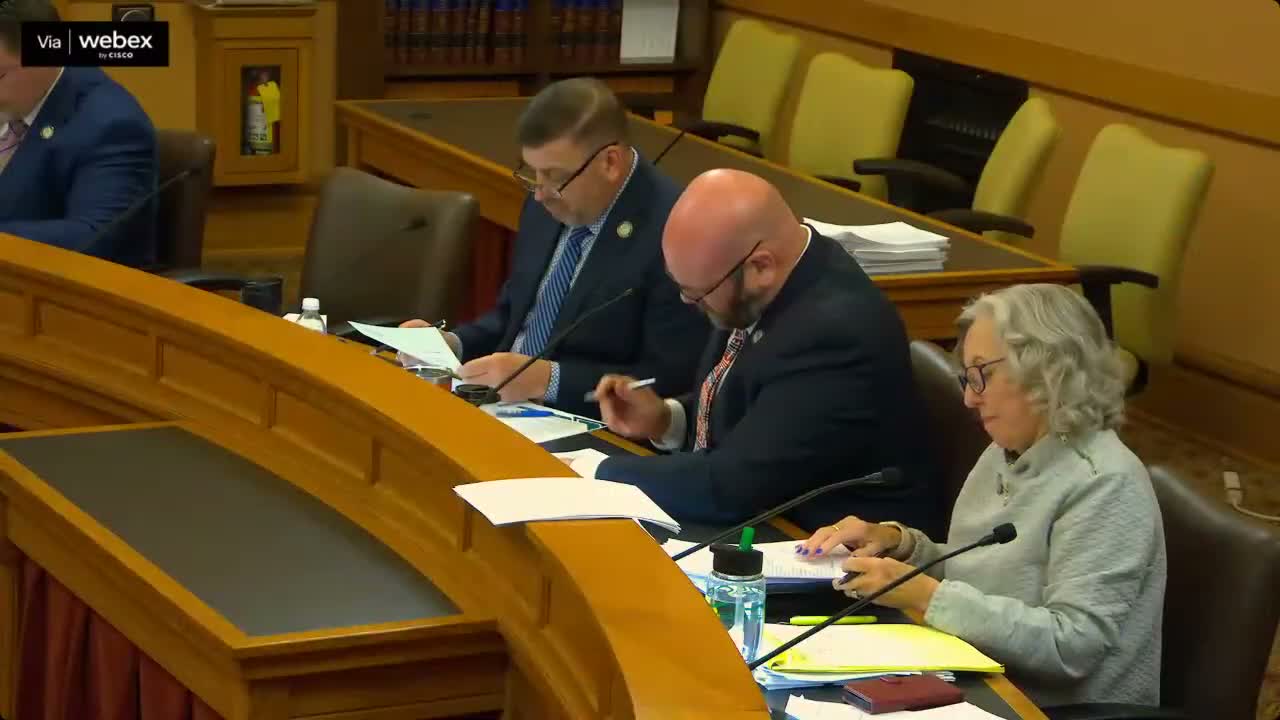
Witnesses at the Human Services Subcommittee hearing pressed lawmakers to prevent wait lists across multiple Medicaid waivers and to shore up funding for services that keep Kansans at home.
Parents, guardians and providers described how waiver services — including the technology-assisted (TA), brain injury (BI), frail-elderly (FE) and intellectual and developmental disability (IDD) waivers — make it possible for children and adults with complex medical and supportive needs to live safely in the community. Dr. Ryan Jolly of Little Lobbyists framed the stakes bluntly: “That third option is that we as a state decide that we're okay to let sick kids die,” he said, urging the committee to fund KDADS enhancement requests that would avoid TA waiver wait lists.
Family testimony underscored personal consequences. Jane Fergus, whose son receives TA-waiver services, said the waiver provides nursing, therapies and supplies that let her son live, learn and thrive. Laurie Fieldkamp, a guardian, described decades of care for an adult with IDD and asked the panel to support a 10% increase to IDD reimbursement rates so providers can recruit and retain direct support professionals.
Advocates presented fiscal projections to make the case. Daniel Goodman of Kansas Advocates for Better Care said the frail-elderly waiver faces an estimated $31 million shortfall in 2027 and that early projections put about 600 older Kansans at risk of being put on a waiting list; he and others warned that historical trends could make that figure substantially higher. Janet Williams, speaking for brain-injury services, said KDADS data indicate $2.9 million is needed for reappropriations and another $4.8 million to avoid a brain-injury waiver wait list.
Providers described workforce constraints that threaten the system even when funding is available. Colin McKinney of Starkey and other provider leaders said vacancy rates are high (Starkey reported roughly 85 vacancies among about 460 positions) and cautioned that competition from a new state hospital and higher wages across neighboring states will intensify recruitment challenges. Several providers tied rate increases directly to workforce stability: “Rate increases open capacity,” Rachel Newman of COF Training Services said, noting her agency reinvested every dollar of prior increases into frontline wages and benefits.
Speakers identified specific dollar requests and program goals. Lynn Dalrymple of Aviana Healthcare urged increasing specialized nursing rates for TA-waiver care from $55 to $60 per hour and expanding TA capacity. Janet Williams said community-based brain-injury services save roughly $1,400 a day per person compared with institutional care. Advocates repeatedly framed prevention of wait lists as both a humane and cost-effective policy choice.
The committee acknowledged concerns and follow-up work. Members asked KDADS and administrative partners to explain why a prior $1 million proviso did not reach some nutrition providers and discussed a 2024 PCG rate study that some providers said should guide more realistic reimbursement levels. No formal votes or motions were recorded during the hearing; members said they were reviewing testimony and written materials.
The hearing’s testimony signals broad agreement among family members and many providers that targeted state funding and provider-rate adjustments are needed to prevent wait lists and sustain community-based care. The subcommittee is expected to review budget recommendations and follow up with agency staff and written questions.
Parents, guardians and providers described how waiver services — including the technology-assisted (TA), brain injury (BI), frail-elderly (FE) and intellectual and developmental disability (IDD) waivers — make it possible for children and adults with complex medical and supportive needs to live safely in the community. Dr. Ryan Jolly of Little Lobbyists framed the stakes bluntly: “That third option is that we as a state decide that we're okay to let sick kids die,” he said, urging the committee to fund KDADS enhancement requests that would avoid TA waiver wait lists.
Family testimony underscored personal consequences. Jane Fergus, whose son receives TA-waiver services, said the waiver provides nursing, therapies and supplies that let her son live, learn and thrive. Laurie Fieldkamp, a guardian, described decades of care for an adult with IDD and asked the panel to support a 10% increase to IDD reimbursement rates so providers can recruit and retain direct support professionals.
Advocates presented fiscal projections to make the case. Daniel Goodman of Kansas Advocates for Better Care said the frail-elderly waiver faces an estimated $31 million shortfall in 2027 and that early projections put about 600 older Kansans at risk of being put on a waiting list; he and others warned that historical trends could make that figure substantially higher. Janet Williams, speaking for brain-injury services, said KDADS data indicate $2.9 million is needed for reappropriations and another $4.8 million to avoid a brain-injury waiver wait list.
Providers described workforce constraints that threaten the system even when funding is available. Colin McKinney of Starkey and other provider leaders said vacancy rates are high (Starkey reported roughly 85 vacancies among about 460 positions) and cautioned that competition from a new state hospital and higher wages across neighboring states will intensify recruitment challenges. Several providers tied rate increases directly to workforce stability: “Rate increases open capacity,” Rachel Newman of COF Training Services said, noting her agency reinvested every dollar of prior increases into frontline wages and benefits.
Speakers identified specific dollar requests and program goals. Lynn Dalrymple of Aviana Healthcare urged increasing specialized nursing rates for TA-waiver care from $55 to $60 per hour and expanding TA capacity. Janet Williams said community-based brain-injury services save roughly $1,400 a day per person compared with institutional care. Advocates repeatedly framed prevention of wait lists as both a humane and cost-effective policy choice.
The committee acknowledged concerns and follow-up work. Members asked KDADS and administrative partners to explain why a prior $1 million proviso did not reach some nutrition providers and discussed a 2024 PCG rate study that some providers said should guide more realistic reimbursement levels. No formal votes or motions were recorded during the hearing; members said they were reviewing testimony and written materials.
The hearing’s testimony signals broad agreement among family members and many providers that targeted state funding and provider-rate adjustments are needed to prevent wait lists and sustain community-based care. The subcommittee is expected to review budget recommendations and follow up with agency staff and written questions.
Don't Miss a Word: See the Full Meeting!
Go beyond summaries. Unlock every video, transcript, and key insight with a Founder Membership.
✓
Get instant access to full meeting videos
✓
Search and clip any phrase from complete transcripts
✓
Receive AI-powered summaries & custom alerts
✓
Enjoy lifetime, unrestricted access to government data
30-day money-back guarantee
