Street-lighting official says EV charger siting will target underserved neighborhoods; streetlights framed as city ‘platform’
February 26, 2026 | Los Angeles City, Los Angeles County, California
This article was created by AI summarizing key points discussed. AI makes mistakes, so for full details and context, please refer to the video of the full meeting. Please report any errors so we can fix them. Report an error »
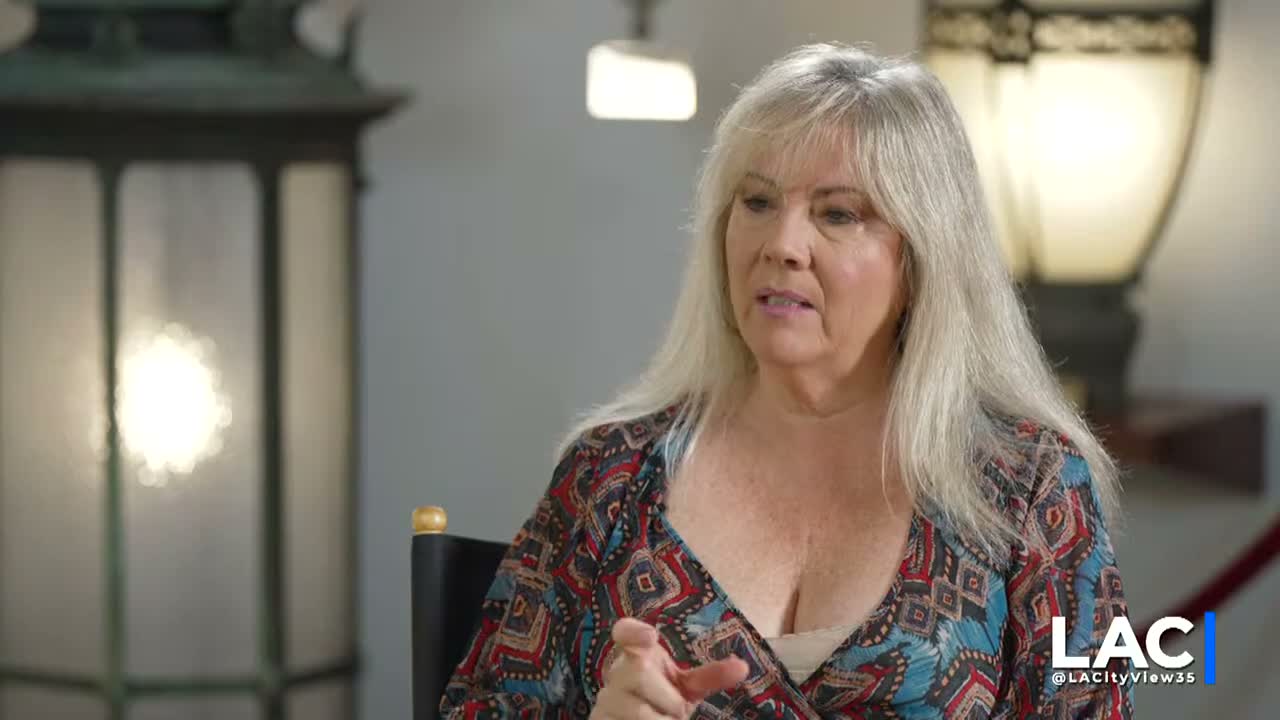
A representative from the Bureau of Street Lighting described an equity-focused approach to placing electric-vehicle chargers and framed the city’s streetlight network as a multiuse platform that can host new services.
“In places that the private sector doesn’t necessarily see, like Hyde Park, South LA, the Valley,” Speaker 2 said, the bureau is looking to site chargers where they will increase access and usage. The official said staff are using “analytics” and market-demand signals to decide whether to add a charger near an existing site.
Speaker 2 also put the bureau’s work in a wider technology context, saying Los Angeles has been early to attach telecom equipment to streetlights and that the network can now support services that reduce infrastructure costs while expanding connectivity. “Now we’re adding other things that not only reduce the cost of infrastructure itself, but make it so that there’s new services that can go on to the city like 5G connectivity,” Speaker 2 said.
The interviewer (Speaker 1) asked whether Los Angeles was ahead of other cities on such technology. Speaker 2 said the city is “on the cutting edge” and pointed to early adoption of telecom attachments to streetlights as a reason LA became “one of the first 5G cities” in the U.S. The official also noted plans to pair lighting upgrades with sensors that can inform policymakers about local air quality.
The official directed residents with street-lighting issues to MyLA311 or the bureau’s website, lalights.lacity.org, for service requests and historical information.
No formal policy vote or ordinance was taken in the interview. The discussion emphasized planning goals—equity in charger placement, capitalizing on the streetlight asset, and collaboration with industry—rather than firm funding commitments or specific project schedules.
“In places that the private sector doesn’t necessarily see, like Hyde Park, South LA, the Valley,” Speaker 2 said, the bureau is looking to site chargers where they will increase access and usage. The official said staff are using “analytics” and market-demand signals to decide whether to add a charger near an existing site.
Speaker 2 also put the bureau’s work in a wider technology context, saying Los Angeles has been early to attach telecom equipment to streetlights and that the network can now support services that reduce infrastructure costs while expanding connectivity. “Now we’re adding other things that not only reduce the cost of infrastructure itself, but make it so that there’s new services that can go on to the city like 5G connectivity,” Speaker 2 said.
The interviewer (Speaker 1) asked whether Los Angeles was ahead of other cities on such technology. Speaker 2 said the city is “on the cutting edge” and pointed to early adoption of telecom attachments to streetlights as a reason LA became “one of the first 5G cities” in the U.S. The official also noted plans to pair lighting upgrades with sensors that can inform policymakers about local air quality.
The official directed residents with street-lighting issues to MyLA311 or the bureau’s website, lalights.lacity.org, for service requests and historical information.
No formal policy vote or ordinance was taken in the interview. The discussion emphasized planning goals—equity in charger placement, capitalizing on the streetlight asset, and collaboration with industry—rather than firm funding commitments or specific project schedules.
Don't Miss a Word: See the Full Meeting!
Go beyond summaries. Unlock every video, transcript, and key insight with a Founder Membership.
✓
Get instant access to full meeting videos
✓
Search and clip any phrase from complete transcripts
✓
Receive AI-powered summaries & custom alerts
✓
Enjoy lifetime, unrestricted access to government data
30-day money-back guarantee
