Defender General urges clarity on 20-year DWI window as committee weighs counting incident vs. conviction
February 26, 2026 | Judiciary, SENATE, Committees, Legislative , Vermont
This article was created by AI summarizing key points discussed. AI makes mistakes, so for full details and context, please refer to the video of the full meeting. Please report any errors so we can fix them. Report an error »
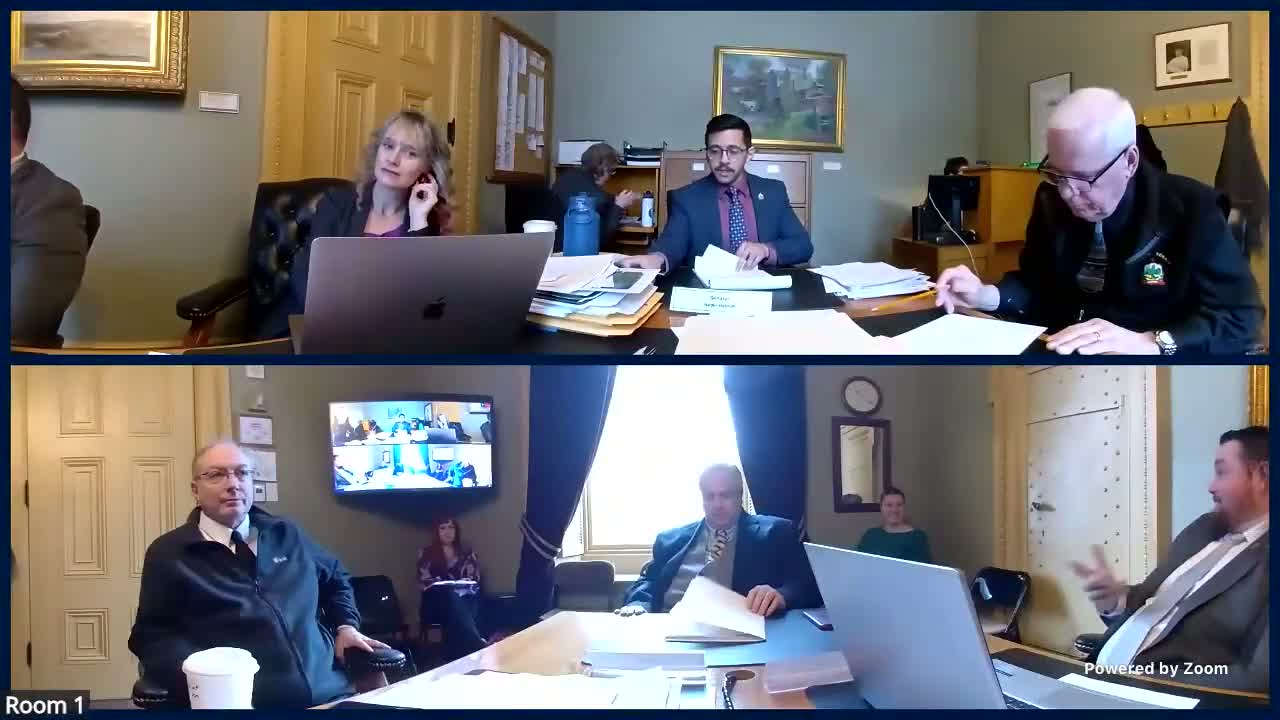
At a Feb. 25 meeting of the Senate Judiciary Committee, the Defender General reviewed a proposed change to how the state calculates the 20-year window used to escalate DWI charges and said the office was not strongly opposed but wanted clarity on whether the clock should run from the incident or from the conviction.
“This isn't, this isn't a big concern to the defendant general's office one way or the other,” the Defender General told the committee, then explained the practical differences between counting the date of the traffic incident that gave rise to a charge and counting the date of the conviction on the record.
Committee members and the Defender General said conviction dates are simple to find in criminal records, while incident dates often require digging into charging documents and affidavits. The Defender General said incident-to-incident counting could be fairer to defendants but conceded it would be harder for prosecutors to research and prove in charging decisions. As one participant summarized, “it might be easier to just go conviction to conviction.”
Supporters of counting from the incident argued that using the incident date better reflects when the conduct occurred; opponents said counting from the conviction date provides clear, objective records for charging and proof. Committee members asked staff to clarify the bill language so that courts and prosecutors know which date triggers the 20-year period.
The committee did not take a vote on the measure during the hearing and moved on to consider bill 193. The Judiciary Committee requested technical clarifications to the draft language before further action.
“This isn't, this isn't a big concern to the defendant general's office one way or the other,” the Defender General told the committee, then explained the practical differences between counting the date of the traffic incident that gave rise to a charge and counting the date of the conviction on the record.
Committee members and the Defender General said conviction dates are simple to find in criminal records, while incident dates often require digging into charging documents and affidavits. The Defender General said incident-to-incident counting could be fairer to defendants but conceded it would be harder for prosecutors to research and prove in charging decisions. As one participant summarized, “it might be easier to just go conviction to conviction.”
Supporters of counting from the incident argued that using the incident date better reflects when the conduct occurred; opponents said counting from the conviction date provides clear, objective records for charging and proof. Committee members asked staff to clarify the bill language so that courts and prosecutors know which date triggers the 20-year period.
The committee did not take a vote on the measure during the hearing and moved on to consider bill 193. The Judiciary Committee requested technical clarifications to the draft language before further action.
Don't Miss a Word: See the Full Meeting!
Go beyond summaries. Unlock every video, transcript, and key insight with a Founder Membership.
✓
Get instant access to full meeting videos
✓
Search and clip any phrase from complete transcripts
✓
Receive AI-powered summaries & custom alerts
✓
Enjoy lifetime, unrestricted access to government data
30-day money-back guarantee
