South Central Regional Transit District marks 10 years as ridership climbs; solar array and EV expansion planned
February 26, 2026 | Doña Ana County, New Mexico
This article was created by AI summarizing key points discussed. AI makes mistakes, so for full details and context, please refer to the video of the full meeting. Please report any errors so we can fix them. Report an error »
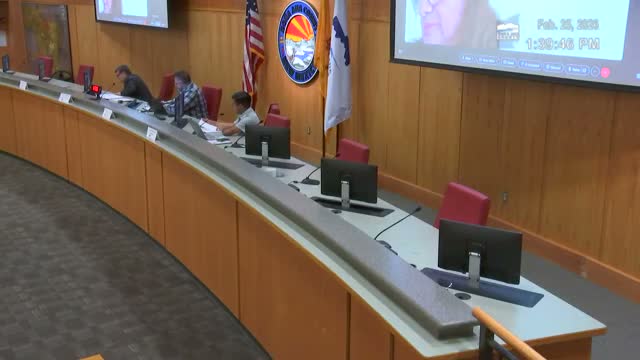
The South Central Regional Transit District board heard an update Feb. 25 on service growth and capital projects as the district marked its 10th anniversary.
Executive Director David Armijo told the board January ridership was 16,385, about 13.5% higher than a year earlier, and that the yellow route accounted for roughly 57% of trips. "We had a good month, 16,385," Armijo said during his report, tying the increase to expanded service and weekend ridership gains.
Armijo outlined ongoing capital work: staff began clearing about 1.75 acres of a roughly 7.5-acre site to prepare for a planned solar array; the district is seeking to add a fourth vehicle charger in addition to three already in place; and staff expect an energy-hub project (referred to in the presentation as the Venus project) to wrap in mid-2026. Armijo said preliminary numbers show the solar array should produce enough energy to charge vehicles on site and supply two facilities, moving the district toward "near zero" carbon operations.
The report also summarized fleet and facilities growth. The district has expanded from four bus routes at launch in 2016 to multiple routes and 36 vehicles in revenue service, including battery-electric buses and hybrid vehicles. Armijo said five battery-electric buses are in operation with three more expected in coming months, and additional Ford electric vehicles are being added to bring the EV fleet to roughly a third of service vehicles over time.
On finances, Armijo said a recent capital outlay request that sought $505,000 was increased to $705,000 by the legislature. He reported the district added about $8 million in assets in a recent preliminary audit, growing asset totals from roughly $3.2 million to just over $11 million (staff later characterized the figure as nearly $12 million when rounding). Armijo said the annual operating budget is about $4 million and the district employs 49 positions.
Armijo flagged an outstanding procedural item: the district is still awaiting a finalized agreement with the Mesilla Valley MPO; staff said the MPO's legal review remains in process and that the board will see further coordination work on MPO matters.
The board discussed branding and partnerships, opportunities to pilot stop shelters with built-in solar and flip-up seating, and potential advertising or local-business partnerships to increase ridership awareness. The free-fare program will continue through the end of the year, with budget deliberations to determine any extension.
The district set a long-range ridership target of roughly 250,000 annual rides by 2030 and said it will return with more detailed capital updates as projects progress. The board did not take formal action on the capital or operating items at the Feb. 25 meeting; next steps include reporting back during the budget process and a planned update after solar-array work is completed.
Executive Director David Armijo told the board January ridership was 16,385, about 13.5% higher than a year earlier, and that the yellow route accounted for roughly 57% of trips. "We had a good month, 16,385," Armijo said during his report, tying the increase to expanded service and weekend ridership gains.
Armijo outlined ongoing capital work: staff began clearing about 1.75 acres of a roughly 7.5-acre site to prepare for a planned solar array; the district is seeking to add a fourth vehicle charger in addition to three already in place; and staff expect an energy-hub project (referred to in the presentation as the Venus project) to wrap in mid-2026. Armijo said preliminary numbers show the solar array should produce enough energy to charge vehicles on site and supply two facilities, moving the district toward "near zero" carbon operations.
The report also summarized fleet and facilities growth. The district has expanded from four bus routes at launch in 2016 to multiple routes and 36 vehicles in revenue service, including battery-electric buses and hybrid vehicles. Armijo said five battery-electric buses are in operation with three more expected in coming months, and additional Ford electric vehicles are being added to bring the EV fleet to roughly a third of service vehicles over time.
On finances, Armijo said a recent capital outlay request that sought $505,000 was increased to $705,000 by the legislature. He reported the district added about $8 million in assets in a recent preliminary audit, growing asset totals from roughly $3.2 million to just over $11 million (staff later characterized the figure as nearly $12 million when rounding). Armijo said the annual operating budget is about $4 million and the district employs 49 positions.
Armijo flagged an outstanding procedural item: the district is still awaiting a finalized agreement with the Mesilla Valley MPO; staff said the MPO's legal review remains in process and that the board will see further coordination work on MPO matters.
The board discussed branding and partnerships, opportunities to pilot stop shelters with built-in solar and flip-up seating, and potential advertising or local-business partnerships to increase ridership awareness. The free-fare program will continue through the end of the year, with budget deliberations to determine any extension.
The district set a long-range ridership target of roughly 250,000 annual rides by 2030 and said it will return with more detailed capital updates as projects progress. The board did not take formal action on the capital or operating items at the Feb. 25 meeting; next steps include reporting back during the budget process and a planned update after solar-array work is completed.
View the Full Meeting & All Its Details
This article offers just a summary. Unlock complete video, transcripts, and insights as a Founder Member.
✓
Watch full, unedited meeting videos
✓
Search every word spoken in unlimited transcripts
✓
AI summaries & real-time alerts (all government levels)
✓
Permanent access to expanding government content
30-day money-back guarantee
