Senate bill to extend sales-tax exemption held for language clarifications after fiscal concerns
February 25, 2026 | 2026 Utah Legislature, Utah Legislature, Utah Legislative Branch, Utah
This article was created by AI summarizing key points discussed. AI makes mistakes, so for full details and context, please refer to the video of the full meeting. Please report any errors so we can fix them. Report an error »
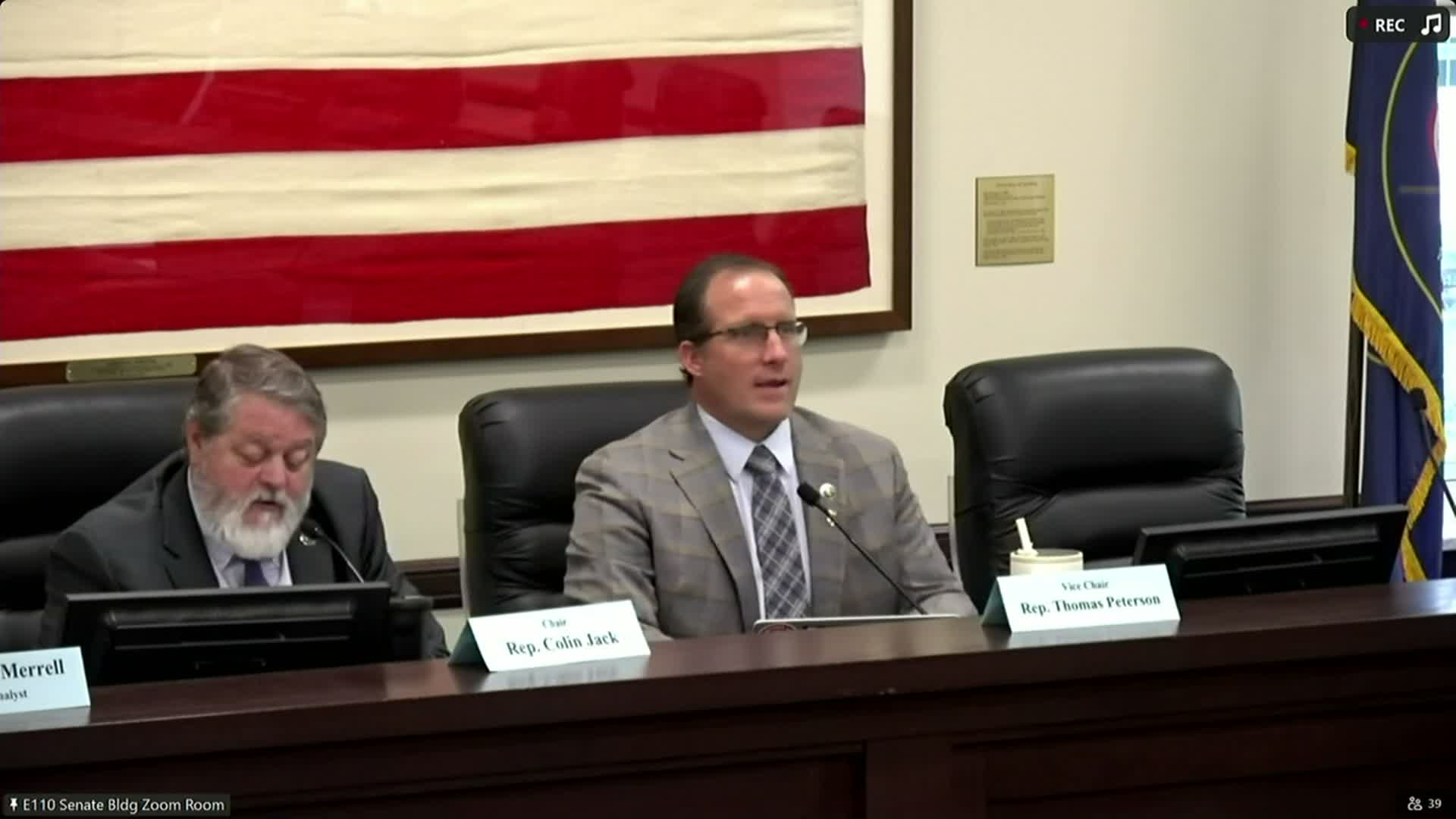
Senate Bill 223 — a proposal to extend a sales-and-use tax exemption for inputs used in alternative-energy production — was put on hold by the committee after lawmakers raised concerns that a proposed change to the statutory language could broaden the exemption and create a substantial fiscal impact.
Senator Vickers said the bill’s substitute removed an in-line definition and that, as drafted, the exemption currently applies to items listed in the alternative-energy definition (including biomass, geothermal, hydroelectric, solar, wind, and certain other energy sources). He said the bill seeks to extend an existing sunset date and noted prior fiscal-note volatility after language to include battery storage was considered.
Tax counsel Steve Young and others explained the difference between sales-tax exemptions (tools of production) and income-tax credits, and warned that changing the statutory phrase to “base-load dispatchable electricity production facility” could unintentionally include coal- or gas-fired power plants not currently covered by the exemption. Counsel said such a change could produce “an enormous fiscal note” if dispatchable fossil resources are captured.
Given the uncertainty about the exact statutory definition and potential for unintended fiscal exposure, the committee voted to hold the bill so drafters can reconcile the definition and provide an updated fiscal analysis. Senator Vickers agreed to work with committee staff to clarify language and return with a solution.
Senator Vickers said the bill’s substitute removed an in-line definition and that, as drafted, the exemption currently applies to items listed in the alternative-energy definition (including biomass, geothermal, hydroelectric, solar, wind, and certain other energy sources). He said the bill seeks to extend an existing sunset date and noted prior fiscal-note volatility after language to include battery storage was considered.
Tax counsel Steve Young and others explained the difference between sales-tax exemptions (tools of production) and income-tax credits, and warned that changing the statutory phrase to “base-load dispatchable electricity production facility” could unintentionally include coal- or gas-fired power plants not currently covered by the exemption. Counsel said such a change could produce “an enormous fiscal note” if dispatchable fossil resources are captured.
Given the uncertainty about the exact statutory definition and potential for unintended fiscal exposure, the committee voted to hold the bill so drafters can reconcile the definition and provide an updated fiscal analysis. Senator Vickers agreed to work with committee staff to clarify language and return with a solution.
View the Full Meeting & All Its Details
This article offers just a summary. Unlock complete video, transcripts, and insights as a Founder Member.
✓
Watch full, unedited meeting videos
✓
Search every word spoken in unlimited transcripts
✓
AI summaries & real-time alerts (all government levels)
✓
Permanent access to expanding government content
30-day money-back guarantee
