LaSalle County panel probes high jury no-shows, weighs online notices and school outreach
February 25, 2026 | LaSalle County, Illinois
This article was created by AI summarizing key points discussed. AI makes mistakes, so for full details and context, please refer to the video of the full meeting. Please report any errors so we can fix them. Report an error »
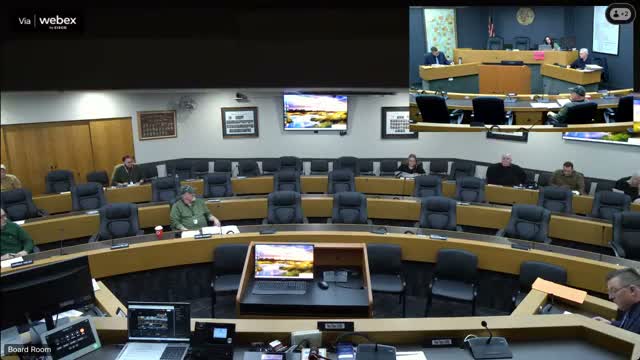
Tricia, who provided the jury statistics, told the Law and Justice Committee that the office summoned 1,078 people in February, sent 513 reminders, held two grand jury dates and brought in 126 jurors; the office recorded 45 failures to appear.
"We have a lot of, it's a lot of our issue, I think, is the mail," she said, explaining that late or undelivered mail and outdated voter-registration lists contributed to missed summonses. Committee members also pointed to renter turnover and mismatched address records as causes.
The nut graf: committee members agreed the problem is multi-causal and debated remedies ranging from shifting to more online notice and response options to civic education in schools. They asked staff to research pilot programs and bring findings back next month rather than pursue punitive enforcement measures.
Members discussed technical and legal constraints: certified mail would be expensive, and while a judge could theoretically hold someone in contempt for failing to obey an order, there is no routine investigative mechanism to verify mail receipt. Several members recommended positive outreach.
Greg McCarroll, circuit clerk, recommended more and clearer public education about jury service and pointed to a short clerk’s video as a model of outreach. "It's very well done," he said about the video; several members suggested working with the regional office of education to introduce basic civic-duty materials in schools.
The committee did not take formal action on jury administration at the meeting but asked staff to explore options, including county or circuit pilot programs and online response capabilities, and report back next month.
"We have a lot of, it's a lot of our issue, I think, is the mail," she said, explaining that late or undelivered mail and outdated voter-registration lists contributed to missed summonses. Committee members also pointed to renter turnover and mismatched address records as causes.
The nut graf: committee members agreed the problem is multi-causal and debated remedies ranging from shifting to more online notice and response options to civic education in schools. They asked staff to research pilot programs and bring findings back next month rather than pursue punitive enforcement measures.
Members discussed technical and legal constraints: certified mail would be expensive, and while a judge could theoretically hold someone in contempt for failing to obey an order, there is no routine investigative mechanism to verify mail receipt. Several members recommended positive outreach.
Greg McCarroll, circuit clerk, recommended more and clearer public education about jury service and pointed to a short clerk’s video as a model of outreach. "It's very well done," he said about the video; several members suggested working with the regional office of education to introduce basic civic-duty materials in schools.
The committee did not take formal action on jury administration at the meeting but asked staff to explore options, including county or circuit pilot programs and online response capabilities, and report back next month.
Don't Miss a Word: See the Full Meeting!
Go beyond summaries. Unlock every video, transcript, and key insight with a Founder Membership.
✓
Get instant access to full meeting videos
✓
Search and clip any phrase from complete transcripts
✓
Receive AI-powered summaries & custom alerts
✓
Enjoy lifetime, unrestricted access to government data
30-day money-back guarantee
