Committee backs SB 72 to clarify law on obscene animal‑abuse material, add 'animal crushing' definition
February 25, 2026 | 2026 Utah Legislature, Utah Legislature, Utah Legislative Branch, Utah
This article was created by AI summarizing key points discussed. AI makes mistakes, so for full details and context, please refer to the video of the full meeting. Please report any errors so we can fix them. Report an error »
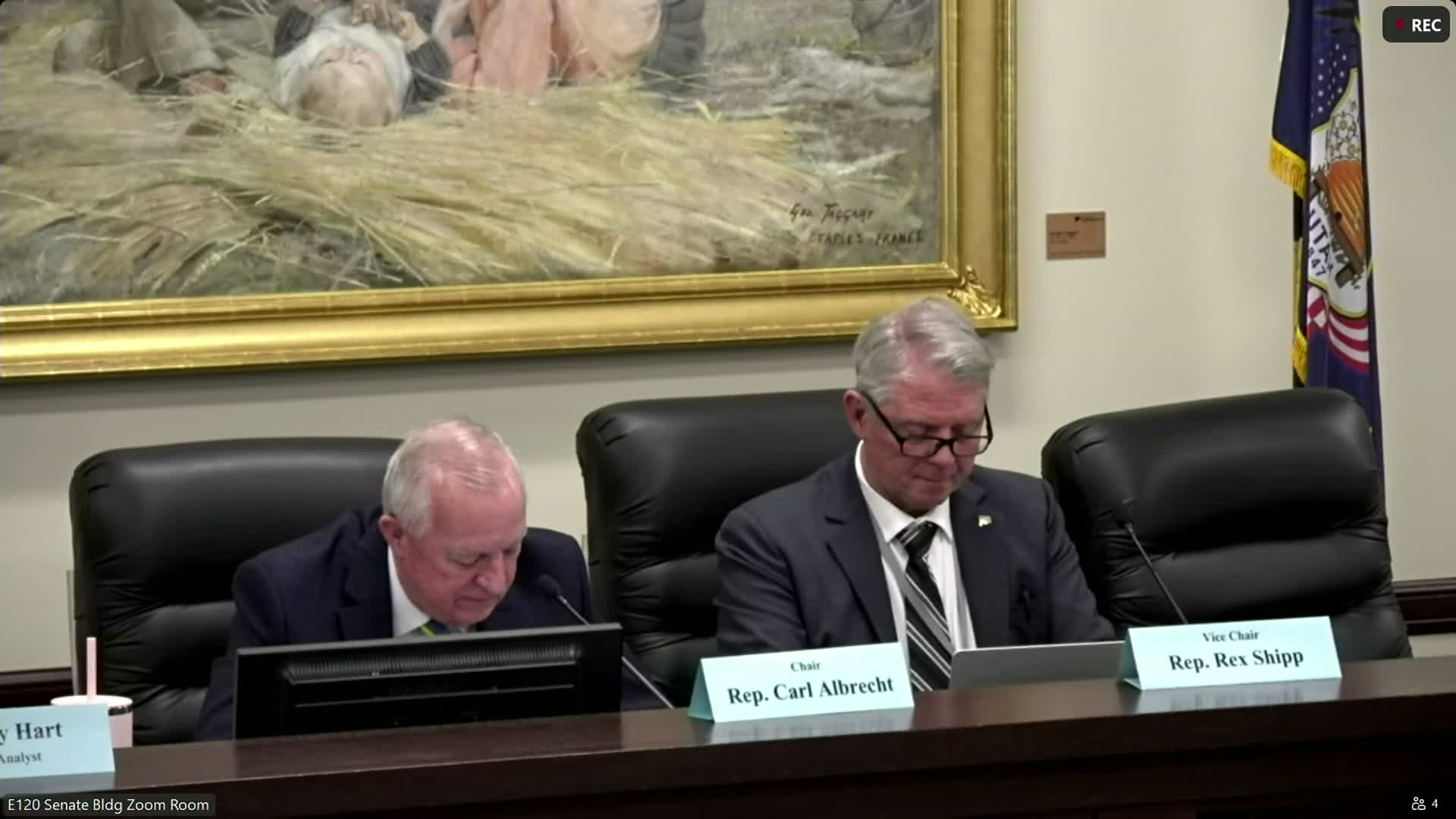
Senate Bill 72, introduced in committee Feb. 25 by Senator Vickers, received a favorable recommendation after debate over how the measure would treat literary works and ordinary animal‑husbandry practices.
Senator Vickers, sponsor of the bill, told the committee the measure "brings clarity to our code" by defining obscene animal abuse material and adding "animal crushing" to the statutory definition. He said the bill is aimed at production and distribution of exploitative material, and that "those penalties are not new and they're not enhanced" — the bill clarifies existing law rather than increasing penalties.
The bill drew questions from committee members about scope. Representative Shipp asked whether isolated acts such as a child killing a bird would be criminalized; Senator Vickers responded the bill is directed at intentional crushing used for exploitative or nefarious purposes and not ordinary or incidental harm. Representative Snyder asked about the phrase "contemporary community standards;" Vickers said the bill uses familiar statutory language about how a "normal person" would perceive a depiction and acknowledged standards can evolve.
Representative Arthur and others pressed whether the bill could unintentionally cover works of literature or film that depict animal harm. Senator Vickers and staff said drafting attorneys had pointed to carve‑outs in the bill language that exclude material that "taken as a whole" has serious literary, artistic, political or scientific value. The sponsor agreed to consult the drafting attorney and consider wording adjustments to address those concerns.
The committee also confirmed that routine animal‑husbandry procedures would not be swept in. Representative Chu described a farm technique sometimes called the "Madigan squeeze" used to stimulate newborn livestock, and said he was relieved such practices were intended to be excluded.
Representative Owens moved the favorable recommendation; after brief discussion and an offer to follow up on drafting language about literary carve‑outs, the committee voted voice 'aye' with no recorded opposition and advanced SB 72 to the House floor.
What happens next: The committee placed SB 72 on the House floor calendar with a favorable recommendation; the sponsor has indicated willingness to work with drafting attorneys on clarifications before floor consideration.
Senator Vickers, sponsor of the bill, told the committee the measure "brings clarity to our code" by defining obscene animal abuse material and adding "animal crushing" to the statutory definition. He said the bill is aimed at production and distribution of exploitative material, and that "those penalties are not new and they're not enhanced" — the bill clarifies existing law rather than increasing penalties.
The bill drew questions from committee members about scope. Representative Shipp asked whether isolated acts such as a child killing a bird would be criminalized; Senator Vickers responded the bill is directed at intentional crushing used for exploitative or nefarious purposes and not ordinary or incidental harm. Representative Snyder asked about the phrase "contemporary community standards;" Vickers said the bill uses familiar statutory language about how a "normal person" would perceive a depiction and acknowledged standards can evolve.
Representative Arthur and others pressed whether the bill could unintentionally cover works of literature or film that depict animal harm. Senator Vickers and staff said drafting attorneys had pointed to carve‑outs in the bill language that exclude material that "taken as a whole" has serious literary, artistic, political or scientific value. The sponsor agreed to consult the drafting attorney and consider wording adjustments to address those concerns.
The committee also confirmed that routine animal‑husbandry procedures would not be swept in. Representative Chu described a farm technique sometimes called the "Madigan squeeze" used to stimulate newborn livestock, and said he was relieved such practices were intended to be excluded.
Representative Owens moved the favorable recommendation; after brief discussion and an offer to follow up on drafting language about literary carve‑outs, the committee voted voice 'aye' with no recorded opposition and advanced SB 72 to the House floor.
What happens next: The committee placed SB 72 on the House floor calendar with a favorable recommendation; the sponsor has indicated willingness to work with drafting attorneys on clarifications before floor consideration.
Don't Miss a Word: See the Full Meeting!
Go beyond summaries. Unlock every video, transcript, and key insight with a Founder Membership.
✓
Get instant access to full meeting videos
✓
Search and clip any phrase from complete transcripts
✓
Receive AI-powered summaries & custom alerts
✓
Enjoy lifetime, unrestricted access to government data
30-day money-back guarantee
