Committee advances SB 111 to curb future veterinary noncompetes, citing workforce shortages
February 25, 2026 | 2026 Utah Legislature, Utah Legislature, Utah Legislative Branch, Utah
This article was created by AI summarizing key points discussed. AI makes mistakes, so for full details and context, please refer to the video of the full meeting. Please report any errors so we can fix them. Report an error »
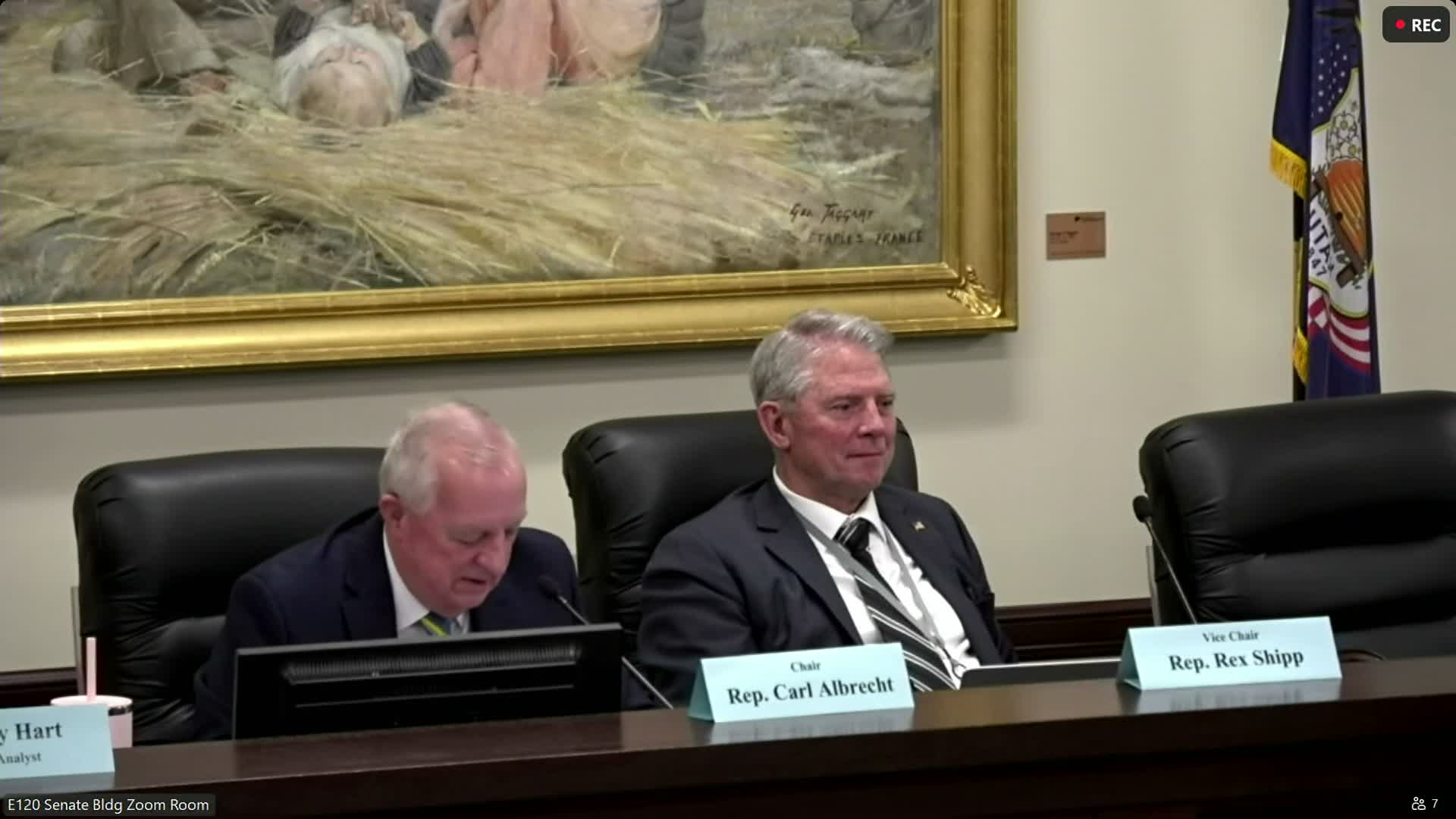
Senate Bill 111, presented Feb. 25 by Senator Plumb, would curtail post‑employment noncompete clauses for veterinarians prospectively to expand competition and ease workforce shortages.
Senator Plumb told the committee the bill's goal is to "create more of a free and open marketplace in our veterinary medicine space" and to improve retention and recruitment. She cited figures presented to the committee that Utah now has roughly 24% fewer veterinarians per capita than the national average and said 24 of 29 counties report veterinary shortages; she framed the change as a decline from an earlier estimated 15% shortage three years prior.
Practitioner testimony underlined the bill's rationale. Andre Cherasov, a Mill Creek practice owner, said noncompete clauses are common in corporate veterinary practices and that the bill would help retain veterinarians and support new ownership in rural and urban areas. "It happens all the time, and especially with corporate practices," Cherasov told the committee.
Dr. Christina Buckout, a board‑certified veterinary surgeon and specialty practice owner in Salt Lake City, urged support for the bill and described how noncompetes have led specialists to leave the state temporarily, sometimes separating families for a year while contractual restrictions elapsed. She said corporate ownership now controls many specialty emergency practices and argued limiting noncompetes would help independent, locally owned specialty practices survive and keep specialized care available in Utah.
Committee members asked whether the bill would affect existing contracts; Senator Plumb said it applies to future agreements only and that trying to invalidate preexisting noncompetes would likely trigger constitutional and federal challenges, which is why the bill is prospective. Representative Monson and others asked about the prevalence of noncompetes and noted shortages in rural counties without veterinary clinics.
Representative Shipp moved the favorable recommendation. After brief remarks about the bill's importance to small businesses and families, the committee voted unanimously 'aye' and advanced SB 111 to the House floor.
What happens next: SB 111 advances to the House floor with a favorable recommendation; sponsor and witnesses signaled implementation would be prospective and that preserved contract remedies such as reimbursement or clawback clauses remain available under the bill's drafting.
Senator Plumb told the committee the bill's goal is to "create more of a free and open marketplace in our veterinary medicine space" and to improve retention and recruitment. She cited figures presented to the committee that Utah now has roughly 24% fewer veterinarians per capita than the national average and said 24 of 29 counties report veterinary shortages; she framed the change as a decline from an earlier estimated 15% shortage three years prior.
Practitioner testimony underlined the bill's rationale. Andre Cherasov, a Mill Creek practice owner, said noncompete clauses are common in corporate veterinary practices and that the bill would help retain veterinarians and support new ownership in rural and urban areas. "It happens all the time, and especially with corporate practices," Cherasov told the committee.
Dr. Christina Buckout, a board‑certified veterinary surgeon and specialty practice owner in Salt Lake City, urged support for the bill and described how noncompetes have led specialists to leave the state temporarily, sometimes separating families for a year while contractual restrictions elapsed. She said corporate ownership now controls many specialty emergency practices and argued limiting noncompetes would help independent, locally owned specialty practices survive and keep specialized care available in Utah.
Committee members asked whether the bill would affect existing contracts; Senator Plumb said it applies to future agreements only and that trying to invalidate preexisting noncompetes would likely trigger constitutional and federal challenges, which is why the bill is prospective. Representative Monson and others asked about the prevalence of noncompetes and noted shortages in rural counties without veterinary clinics.
Representative Shipp moved the favorable recommendation. After brief remarks about the bill's importance to small businesses and families, the committee voted unanimously 'aye' and advanced SB 111 to the House floor.
What happens next: SB 111 advances to the House floor with a favorable recommendation; sponsor and witnesses signaled implementation would be prospective and that preserved contract remedies such as reimbursement or clawback clauses remain available under the bill's drafting.
Don't Miss a Word: See the Full Meeting!
Go beyond summaries. Unlock every video, transcript, and key insight with a Founder Membership.
✓
Get instant access to full meeting videos
✓
Search and clip any phrase from complete transcripts
✓
Receive AI-powered summaries & custom alerts
✓
Enjoy lifetime, unrestricted access to government data
30-day money-back guarantee
